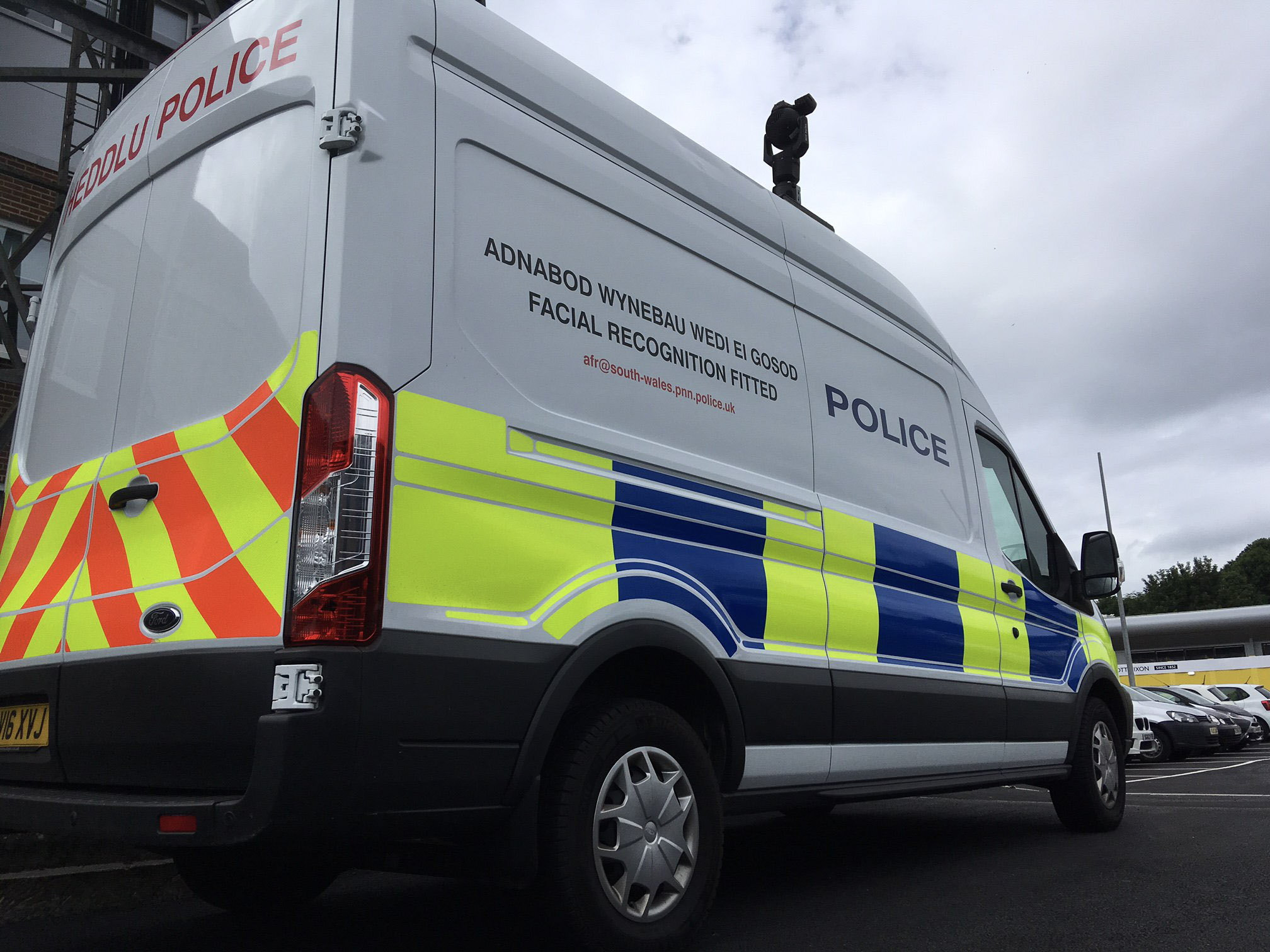
The Information Commissioner’s Office (ICO) – which enforces data protection laws – carried out an audit looking at live facial recognition (real‑time camera scans against a police watchlist), retrospective facial recognition (checking images after an incident), and a new operator‑initiated system being trialled on police mobile devices.
What the ICO found
The audit gave both live and retrospective systems a “high” assurance rating, meaning the watchdog found good safeguards in place and only limited room for improvement.
The ICO said the forces:
- Have clear rules and oversight for when and how the technology is used
- Make sure images for watchlists are lawfully obtained
- Carry out privacy impact checks before deployments
- Engage with the public during live operations
- Review every retrospective search afterwards and report the results to oversight meetings
Some recommendations were made, including tightening up how document changes are recorded and making sure data retention rules are always applied consistently.
Police response
Chief Superintendent Tim Morgan, from the joint South Wales and Gwent digital services department, said the findings show the forces are “in a stronger position than ever” to prove the technology is used fairly, legally and ethically.
He stressed there have been no wrongful arrests and no false alerts for several years, and that independent testing has shown the system does not discriminate by gender, age or race.
“Our priority is to keep the public safe and this technology continues to help us bring offenders to justice and protect the public,” he said.
Concerns from privacy campaigners
Not everyone is reassured. Civil liberties group Big Brother Watch has long argued that live facial recognition represents a “significant expansion of the surveillance state” and risks treating “every passer‑by as a walking barcode”.
Campaigners say there is still no dedicated law governing police use of the technology, and warn that even with safeguards, it can be inaccurate in real‑world conditions or misidentify people from minority backgrounds. They are calling for a pause on further roll‑outs until robust legal protections are in place.
Background
South Wales Police has been one of the UK’s early adopters of facial recognition, using it at major events and in targeted operations. The force says it only uses the technology when there is a clear policing need, and in line with national guidance brought in after a legal challenge in 2020.
The ICO’s audit is the first in a new series looking at police use of facial recognition across England and Wales. Further audits of other forces are planned.
Discover more from Swansea Bay News
Subscribe to get the latest posts sent to your email.