Longer stoppages than usual
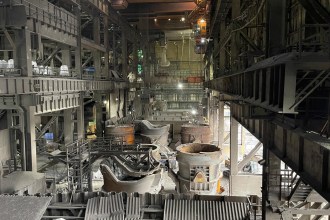
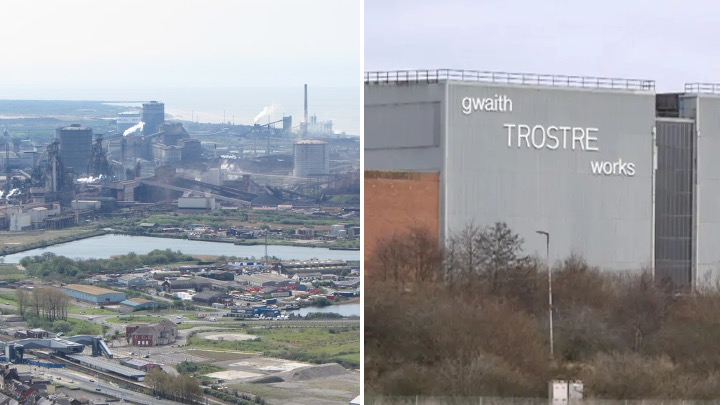
In a message to 6,000 staff, Tata Steel UK chief executive Rajesh Nair said production pauses at the Port Talbot hot strip mill and the Trostre tinplate works in Llanelli will run far longer than the usual two‑week Christmas shutdown.
- At Port Talbot, the stoppage will begin on 8 December and last until 8 January.
- At Trostre, production will halt from 1 December until 8 January.
The company said it would work with unions, suppliers and customers to manage the impact, but admitted the extended closures were necessary to “responsibly adapt to current market challenges.”
Jobs and exports under pressure
The announcement comes just weeks after Tata urged UK ministers to act over the EU’s decision to impose 50% tariffs on steel imports while cutting tariff‑free volumes almost in half. Around a third of Tata Steel UK’s output is exported to the EU, making the bloc a critical market for South Wales steel.
Industry leaders have warned that without a carve‑out deal, Welsh plants could face a double hit: weaker domestic demand and reduced access to European buyers. UK Steel director general Gareth Stace has cautioned that “the last country to put up trade defences will be the first country to de‑industrialise.”
Port Talbot’s transition and Llanelli’s future
The stoppages come as Tata begins work on its £1.25bn green steel plan at Port Talbot, which will see the site transition from blast furnaces to an electric arc furnace by 2027. While the investment is designed to secure long‑term production, it also means Tata will increasingly import slab and coil from its operations in India and the Netherlands during the transition.
At Trostre in Llanelli, which produces tinplate for food and drinks packaging, unions have already voiced concern that EU tariffs could undermine exports and threaten jobs. As Swansea Bay News has reported, Plaid Cymru MSs have called for the UK to rejoin the single market to safeguard Welsh steel, while industry figures are pressing for tougher UK import quotas to prevent a flood of cheaper steel from China and Turkey.
A critical moment for Welsh steel
The wider industry is warning that global overcapacity — forecast by the OECD to reach 721 million tonnes by 2027 — risks flooding the UK market with subsidised imports. Cardiff‑based 7 Steel, which operates an electric arc furnace, has joined calls for the UK Government to negotiate country‑specific EU quotas and introduce stronger domestic safeguards.
For workers in Port Talbot and Llanelli, the immediate concern is the impact of a five‑week shutdown over Christmas. While Tata insists the measures are temporary, unions and local leaders will be watching closely to see whether the combination of weak demand and looming tariffs signals deeper challenges ahead for Wales’s steel heartlands.