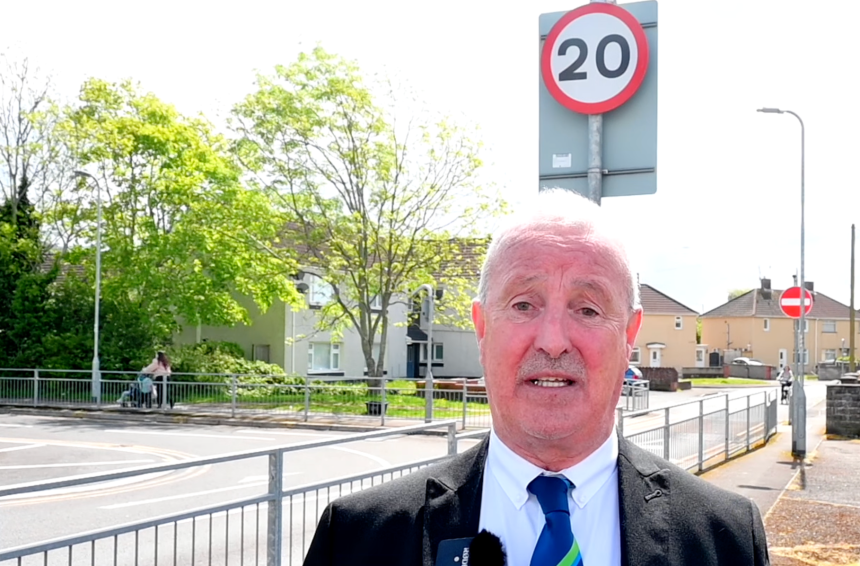
Neath Port Talbot Council has confirmed it will not be reinstating 30mph limits on any more of its roads, after a review by officers found no changes were justified under current guidance.
The decision was reported at a recent cabinet meeting, where members were told that routes put forward for consideration had been assessed individually. Officers concluded that, based on Welsh Government guidance, no further alterations should be made.
A policy that continues to divide opinion
Councils across Wales have been reviewing speed limits since the Welsh Government introduced the national default 20mph limit on restricted roads in 2023. The policy replaced the previous 30mph limit in the majority of built‑up areas, sparking widespread public opposition and a petition signed by hundreds of thousands of people. In Neath Port Talbot, 92% of roads were reduced to 20mph, with 36 exceptions remaining at 30mph.
Officers stand by the current guidance
A report presented to cabinet members explained that officers had carried out risk assessments on the routes highlighted by councillors and residents. The findings suggested that, under the current Welsh Government guidance, no further changes should be made. The report added that reviews would continue once new national guidance on setting local speed limits is published in the new year.
Different approaches across South Wales
While Neath Port Talbot has opted to hold firm, neighbouring Bridgend Council has announced plans to revert three more roads back to 30mph. Other councils have taken similar steps, with Swansea agreeing to raise limits on 17 roads and Carmarthenshire on 11. Welsh ministers have also allowed temporary increases to 30mph for cycle races, showing how the policy is being adapted in specific circumstances.
The wider debate over 20mph
The controversy around the 20mph default limit shows no sign of fading. New figures reveal that more than eight in ten drivers break the limit, while crash statistics suggest collisions have risen slightly but remain below pre‑20mph levels. Ministers insist that the majority of people support the rules, arguing that the record‑breaking petition against the policy is not representative of wider opinion.