

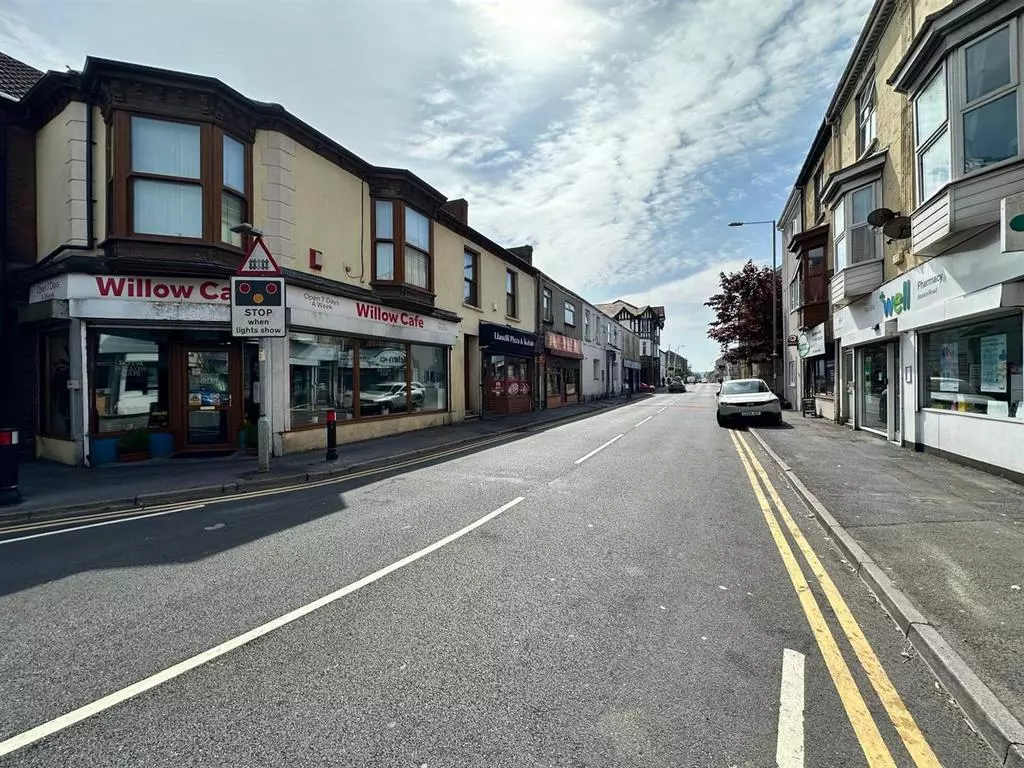
Tyisha, Glanymor and Llanelli town centre will share the cash over the next decade in what ministers say is a bid to “rebuild community pride” and help neighbourhoods that have been left behind.
The area — home to nearly 14,000 people — ranks among the 20% most deprived in Wales, with Tyisha 1 listed as the sixth most deprived neighbourhood in Wales for community safety. Deprivation is also high across income, employment, health and education.
‘People here have been ignored for too long’
Dame Nia Griffith, MP for Llanelli, said: “I am pleased to have been able to secure this additional £20m of long‑term investment for Llanelli which these communities can now use to address issues that they raise with me day‑in, day‑out.
“It will be for the people who live there to decide how this money will be spent, based on what they feel is most important — whether it be improving the places that their families live, work and grow up in, supporting better local facilities and community organisations, helping people access skills and training or making our streets safer, cleaner and more welcoming.”
She said residents had been “overlooked for far too long” and needed a fair deal that reflected their priorities, not someone else’s.

New Neighbourhood Board to take control
A new Neighbourhood Board will now be created to oversee the project. It will include Carmarthenshire Council representatives, Dame Nia Griffith, local residents, community leaders and businesses.
Griffith urged people to get involved. “I can’t stress enough how important it will be for everyone living and working in these areas — as well as the wider Llanelli community who want to help revive our town centre — to make their voices heard over the next few months,” she said.
“I will be insisting residents are involved in the decision‑making process throughout so that it properly reflects their needs and delivers the improvements and the fair deal they rightfully deserve.”
Crime, deprivation and a town centre in decline
The targeted area includes Tyisha, the core of Glanymor and Llanelli town centre — a stretch long associated with anti‑social behaviour, empty units and stalled regeneration schemes.
Officials say the town centre remains the “functional economic area” for the wider community, linking key regeneration sites including the route to Pentre Awel via Llanelli railway station.
The funding is expected to focus on community safety, cleaner streets, better facilities, skills and training, and support for local organisations — but the final priorities will be set by residents.
Part of a wider regional funding battle
The £20m for Llanelli comes from the UK Government’s Pride in Place scheme — a nationwide programme aimed at reviving struggling neighbourhoods and restoring pride in local communities. But across South West Wales, the rollout has already sparked fierce debate over how the money should be carved up and who gets to decide where it goes.
In Neath Port Talbot, councillors have backed a decade‑long regeneration plan for the Upper Afan Valley, while Carmarthenshire’s allocation has triggered political clashes over transparency and control. Swansea MPs have also warned that Pride in Place funding must be shaped by residents, not handed down from above, with calls for open decision‑making and clear priorities.
Against that backdrop, Llanelli’s £20m package becomes the latest test of whether the decade‑long programme can deliver real change — and whether local people will genuinely be put in charge.

Discover more from Swansea Bay News
Subscribe to get the latest posts sent to your email.





After decades of Labour failure in Llanelli, it was Plaid that stepped up and pushed for investment during one of the harshest periods of austerity. Labour had years of far better financial conditions and still failed to deliver for this town. Now that long‑overdue funding has finally arrived, Labour is suddenly trying to adopt Plaid’s approach—transparency, genuine engagement, and community empowerment. These are principles Plaid has lived by for years, while Labour has consistently resisted them.
The irony is hard to miss. Labour voted against the regeneration of Tyisha, yet the images promoting this announcement focus on Tyisha. And now, with money on the table, Dame Nia is positioning herself as the driving force behind improvements she previously failed to support. Residents can see the pattern: when the work is difficult, Labour disappears; when the headlines look good, they reappear to claim ownership.
Labour’s current attempt to withdraw from Llanelli Town Council leadership—asking Independents and Plaid to take over—says everything about the state they’re in. It’s unfair on residents who have endured years of mismanagement and political drift. Meanwhile, Plaid continues to get on with the job, of investing in this town using the limited resources available and involving communities every step of the way.
It’s also worth remembering what hasn’t been delivered. Wales is still owed billions from HS2, and the opportunity to support devolving the Crown Estate—just as Scotland was granted—was ignored. Those decisions matter. They shape what investment is possible here. And they raise serious questions about why Wales wasn’t backed in the same way, and what political pressures influenced that.
Plaid will engage fully with this new funding because that’s what we do: involve residents, be honest about the challenges, and make sure investment reaches the communities that need it most. Labour is now trying to copy that approach, but the record of the last 30 years in Llanelli speaks for itself. lets put this in perspective the County is approximately £150 million down from the RSG with Westminster parties control. now we are offered £20 million, (That is welcome and we need it badly) Lets have what we are owed Nia. £4 Billion from HS2 for Wales a level playing field for Llanelli through a Senedd that puts Welsh people and businesses first not Westminster.
They will need a Reform government for anything to actually happen.