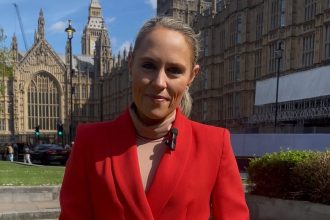
The changes—hailed as the biggest overhaul of the electoral system since 1969—will lower the voting age from 18 to 16, bringing UK-wide elections in line with those already held in Wales and Scotland.
Deputy Prime Minister Angela Rayner said the move was part of a broader effort to “modernise our democracy” and rebuild public trust in political institutions. “We are taking action to break down barriers to participation,” she said, “supporting our Plan for Change and delivering on our manifesto commitment to give sixteen-year-olds the right to vote.”
What’s changing?
The reforms go beyond the voting age. Key measures include:
- Automated voter registration, inspired by systems in Australia and Canada, to simplify the process of joining the electoral roll.
- Expanded voter ID options, with UK-issued bank cards now accepted at polling stations alongside passports and driving licences.
- Stronger protections for candidates, with tougher penalties for those who intimidate election candidates or campaigners.
- A crackdown on opaque political donations, with “shell companies” and unincorporated associations facing stricter checks. The Electoral Commission will gain powers to issue fines of up to £500,000.
The Ministry of Housing, Communities and Local Government said the changes were designed to reverse declining turnout and address barriers created by previous voter ID laws. Research from the Electoral Commission found that around 750,000 people did not vote in the last general election due to ID-related issues.
Local voices, national impact
Swansea’s young people—many of whom already vote in Senedd and local elections—will now have a say in shaping national policy. The move is expected to enfranchise up to 9.5 million new voters across the UK.
Rushanara Ali, Minister for Democracy, said the reforms would “strengthen our democratic institutions and protect them for future generations.”
Harry Quilter-Pinner of the IPPR think tank described the changes as “a vital step toward rebuilding confidence, modernising our institutions and pushing back against the rise of populism.”
What it means for Swansea
With Swansea’s youth already active in civic life—from climate action groups to community volunteering—the extension of voting rights is likely to deepen engagement. Local educators and campaigners have welcomed the move, though some have called for stronger political education in schools to ensure young voters feel confident at the ballot box.
The Government says it will introduce legislation in the coming months, with the new rules expected to be in place before the next general election.