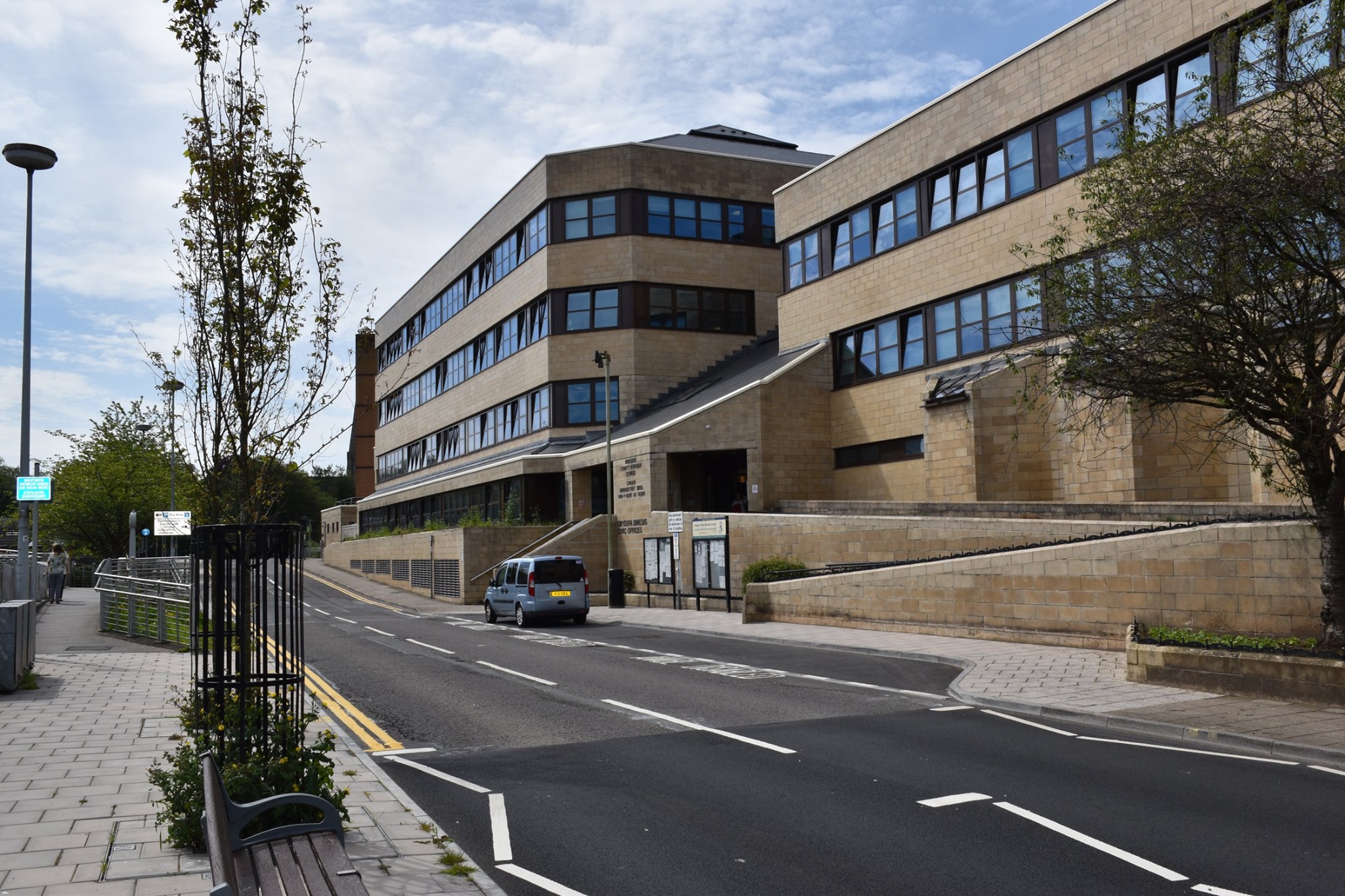
The authority says it is facing £9.2m in rising costs next year and will still need to make £2.4m in cuts, despite receiving a better‑than‑expected 4.6% funding increase from Welsh Government.
The draft budget goes before Cabinet on 13 January, with a final decision due in February.
Schools protected but other services face pressure
Schools will be shielded from savings targets next year, with extra money also going into children’s services and adult social care. But the rest of the council’s operations will feel the squeeze as inflation, demand and long‑term financial pressures continue to bite.
The council says council tax — which makes up only around 20% of its income — will need to rise by 4.95% to help balance the books.
Council turns to AI to cut costs and modernise services
One of the most striking elements of the draft budget is the council’s plan to expand its use of digital technology and AI to deliver services more cheaply and efficiently.
Bridgend says the shift is essential to keep services sustainable as costs rise faster than funding, and forms part of a wider transformation programme aimed at making the authority “more resilient” in the long term.
Leaders say settlement ‘better than expected’ but challenges remain
Cllr John Spanswick, Leader of Bridgend County Borough Council, said:
“The funding settlement from Welsh Government for 2026/27 was better than anticipated and this has helped us to ensure that the draft budget proposals clearly align to our corporate plan which focuses on key objectives such as protecting the most vulnerable, helping local people to meet their potential and providing thriving communities for residents and businesses.”
Cllr Hywel Williams, Cabinet Member for Finance and Performance, said:
“Like all local authorities across Wales and the United Kingdom, we are still facing many ongoing financial challenges. However, it’s pleasing that we have received an increase in funding of 4.6% from Welsh Government this year and this has helped to reduce our funding gap for the forthcoming financial year.”
The proposals will be examined by councillors over the coming weeks before a final vote next month, with the spotlight firmly on the council’s near‑5% council tax rise and its growing reliance on AI to keep services running.