The former Top Gear host — now better known to many as a working farmer thanks to his hit Amazon series Clarkson’s Farm — has waded into the controversy after it emerged children across Wales are being served chicken from countries including China, Thailand and Brazil.
And he’s speaking from experience.
Since taking over Diddly Squat Farm, Clarkson has repeatedly highlighted the financial pressures, regulations and challenges facing British farmers — something he says makes the school meals situation even harder to understand.
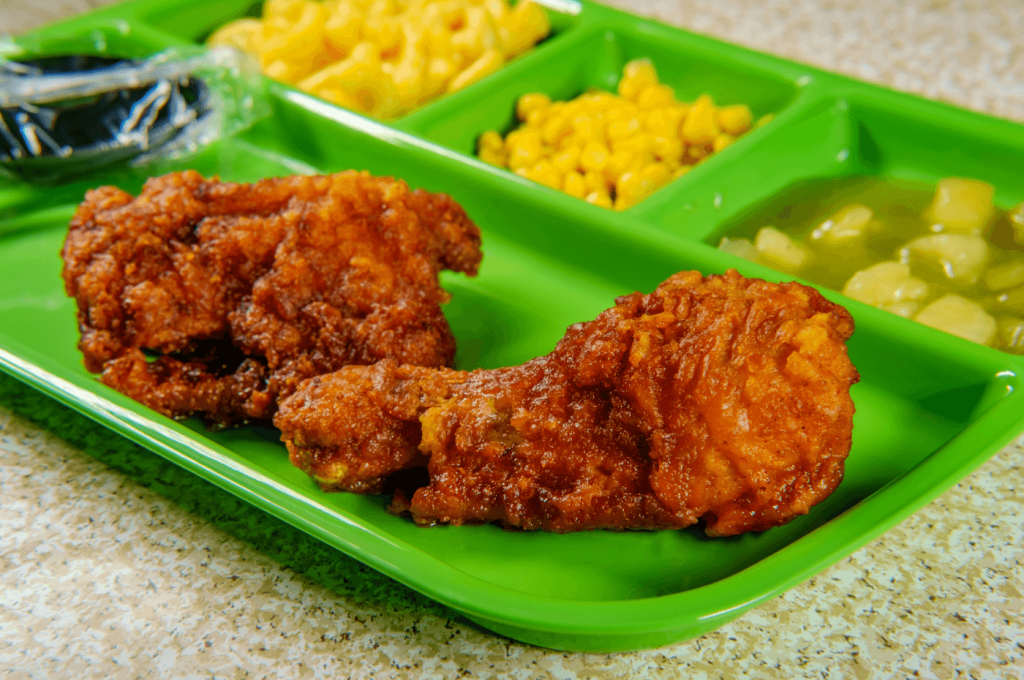
(Image: Ezumeimages / Dreamstime.com)
Swansea figures spark outrage
As previously revealed by Swansea Bay News, the situation in south west Wales has left many readers stunned.
In Swansea itself, just 2.33% of the chicken used in school meals comes from the UK, with the vast majority imported — including a significant proportion from outside Europe altogether.
Elsewhere in the region, the picture is no clearer. Carmarthenshire Council admitted using chicken from outside the EU to cater for halal dietary requests but declined to say where it came from, while Pembrokeshire also refused to provide detailed figures. Neath Port Talbot did not respond to requests for information.
Across Wales, the figures become even more stark. In Merthyr Tydfil, almost all school chicken — more than 99% — is imported, while in Gwynedd the vast majority is sourced from countries including Brazil, Thailand and China.
Perhaps most striking of all, not a single council in Wales was able to confirm how much of the chicken served to children is actually Welsh.
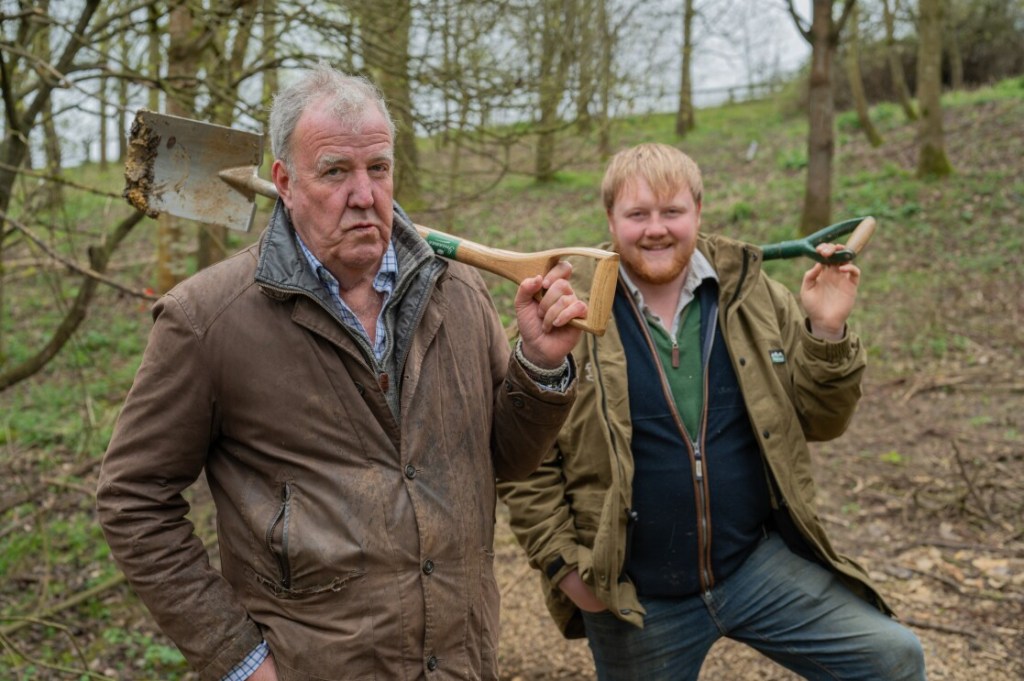
Clarkson: “It makes no sense”
Writing in a national newspaper column, Clarkson said the situation left him completely baffled.
“How is it possible to ship a chicken all the way from Chiang Mai to Bridgend and for it to arrive with a lower price tag than a chicken reared two miles down the road?”
He blamed government policy for creating what he sees as a deeply unfair system — something he says he’s experienced first-hand.
“It’s the government that imposes unbelievably strict and expensive standards on British farmers — and then allows imports that don’t follow anything like the same rules.”
Clarkson said those rules — while often well-intentioned — can leave UK farmers struggling to compete.
“Jumping through all these hoops makes farming here clean and efficient… but it also makes it more expensive.”

‘British farmers being priced out’
Drawing on his own experience running a farm, Clarkson warned that UK agriculture is being squeezed from all sides.
He pointed to bans on certain pesticides and stricter welfare rules in Britain compared to other countries — arguing that while they may protect the environment and animals, they also drive up costs.
“We do the right thing here… and then import food from places that don’t.”
He said the result is a system where British farmers are effectively being undercut in their own market.
“British farmers are being priced… into the bankruptcy court.”
A system “no one can fix”?
Clarkson also suggested the problem may be bigger than government alone, pointing to global trade rules that limit what the UK can do about imports.
“On the face of it, there’s not a damn thing we can do about it.”
But he did offer one solution — urging consumers and organisations to pay closer attention to where food comes from.
“If there’s a little red tractor, it means the food you’re buying was grown here in the UK.”
Parents and farmers hit out
The revelations have sparked a wave of frustration across Wales, particularly among farming families who feel they are being undercut in their own communities.
Many parents have also been left questioning what exactly is ending up on their children’s plates, and why food is being shipped thousands of miles when high-quality produce is available locally.
Critics say the situation simply doesn’t add up in a country with such strong agricultural roots, while campaigners warn it risks undermining both environmental goals and confidence in the food system.
Pressure mounting in Wales
The growing backlash is now turning the issue into a wider political and public debate.
Campaigners are calling for councils to be far more open about where school food comes from, while also pushing for changes that would allow more Welsh produce to be used in public sector meals.
There is also increasing pressure to reduce reliance on imported meat altogether, particularly at a time when local farmers are facing rising costs and uncertainty.
A row far from over
With a high-profile voice like Clarkson — and his very public farming struggles — now adding fuel to the fire, the debate over school meals in Wales shows no sign of slowing down.
And for many, the question remains:
Why are Welsh children eating imported chicken… when it could be produced on their own doorstep?