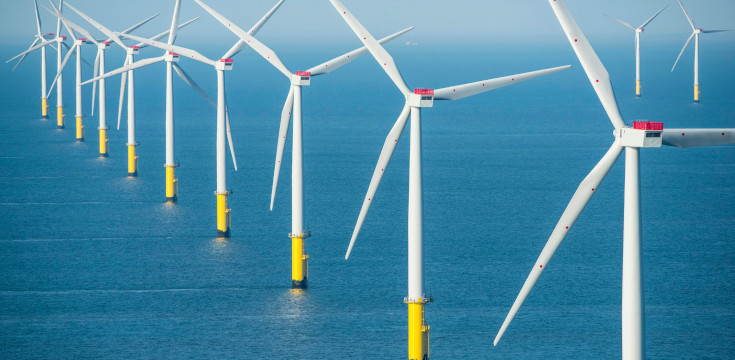
The initiative, unveiled during a showcase event at the Senedd, will see £100,000 in funding provided to the Offshore Renewable Energy (ORE) Catapult to deliver a dedicated supply chain programme in the Swansea Bay City Region. The funding will be matched by the Swansea Bay City Deal, which is co-funded by the Welsh and UK governments.
Delivered through the Fit For Offshore Renewables (F4OR) programme, the scheme will run for up to 18 months, helping small and medium-sized enterprises (SMEs) develop the skills and capacity needed to support the emerging floating offshore wind industry in the Celtic Sea.
Rebecca Williams, Director, Devolved Nations at The Crown Estate, said: “SMEs are a core driver of Wales’s economy. The F4OR scheme with ORE Catapult will help businesses in South Wales take advantage of the many opportunities presented by the development of a new floating offshore wind industry in the Celtic Sea.”
Expressions of interest will open at the end of July via the ORE Catapult website, with applicants assessed on their potential to expand within the offshore wind supply chain and alignment with the Celtic Sea Blueprint.

Wider investment and strategic context
The announcement follows The Crown Estate’s proposal to invest up to £400m in the UK’s offshore wind supply chain, including a £50m Supply Chain Accelerator already supporting organisations in Wales such as Neath Port Talbot Group of Colleges, Pembrokeshire College, and Marine Power Systems Ltd.
It also comes on the heels of Offshore Wind Leasing Round 5, which saw Equinor and Gwynt Glas (a joint venture between EDF Renewables UK and ESB) selected to develop two new floating wind farms in the Celtic Sea. The Crown Estate estimates the round could create 5,300 jobs and deliver a £1.4bn boost to the UK economy.
Rebecca Evans, Welsh Government Cabinet Secretary for Economy, Energy and Planning, said: “Floating offshore wind in the Celtic Sea represents a once-in-a-generation opportunity to deliver lasting economic and social value for Wales. This important programme will support local companies bidding for work in the floating offshore wind industry.”
Calls for devolution of the Crown Estate
While the investment has been welcomed, it has also reignited calls for the devolution of the Crown Estate to Wales, a long-standing demand from campaigners and cross-party politicians.
The Crown Estate currently manages 65% of Wales’ foreshore and riverbeds and over 50,000 acres of land, with profits going to the UK Treasury. In contrast, Scotland gained control of its Crown Estate assets in 2017, allowing revenues to be reinvested locally.
Campaigns led by Plaid Cymru, Labour MPs, and grassroots organisations such as Siarter Cartrefi argue that Wales should benefit directly from the profits of renewable energy developments — particularly as the Celtic Sea becomes a hub for offshore wind.
A recent article by Bangor University’s Stephen Clear highlighted that despite Welsh Labour’s stated commitment to devolution, the new UK Government has not yet held discussions with Cardiff Bay on transferring powers. The Treasury’s Lord Livermore recently warned that creating a separate Welsh entity could “fragment the market” and “undermine investment in Welsh waters”.
Actor and activist Michael Sheen has also backed the campaign, saying Wales deserves the same opportunities as Scotland to reinvest in communities and tackle inequality.