A four-year-old Clumber Spaniel named Bruin was crowned Best in Show at the world’s most famous dog show on Sunday, but the victory has been overshadowed by a fierce debate over the future of dozens of Britain’s most popular breeds.
Campaigners have warned that 67 breeds — including family favourites like the West Highland White Terrier, the Shih Tzu, the King Charles Spaniel, and even the late Queen’s beloved Corgis — could be effectively banned under new breeding guidelines.
However, animal welfare experts and academics have hit back, arguing the claims are a misinterpretation of a new voluntary scheme designed to improve the health of dogs, not to ban them.
What is the debate about?
The controversy centres on the new Innate Health Assessment (IHA), a 10-point visual checklist developed by the All-Party Parliamentary Group for Animal Welfare (APGAW).
The tool is designed to help breeders avoid using dogs with ‘extreme conformations’ — physical features that cause health problems, such as very flat faces, excessively short legs, or skin folds.
Under the voluntary guidelines, a dog would ‘fail’ the assessment if it has three or more of these extreme features. Campaigners have claimed that if the tool becomes law, it would lead to a ban on breeding the 67 breeds they have identified.
What do the experts say?
Experts from the Royal Veterinary College (RVC) and the RSPCA, who support the new assessment tool, have stressed that no ban is being proposed.
They argue the aim is to encourage healthier breeding practices over time, for example by mating pugs with slightly less squashed faces or dachshunds with longer legs.
Professor Dan O’Neill of the RVC told the i newspaper that only 10 of the 225 Kennel Club recognised breeds would be at high risk of failing the assessment, as they are the most likely to have multiple extreme features.
The full list: Is your dog’s breed at risk?
Here is the full list of 67 breeds cited by campaigners, with an explanation of their actual risk level under the proposed new welfare assessment.
High Risk: The 10 breeds at risk of failing
These breeds are most at risk because they often have three or more of the extreme features the assessment looks for, such as a combination of a flat face, short legs, skin folds, or a very short tail.





- Basset Hound
(short legs, droopy eyelids, skin folds) - Boston Terrier
(flat face, short tail) - Brussels Griffon
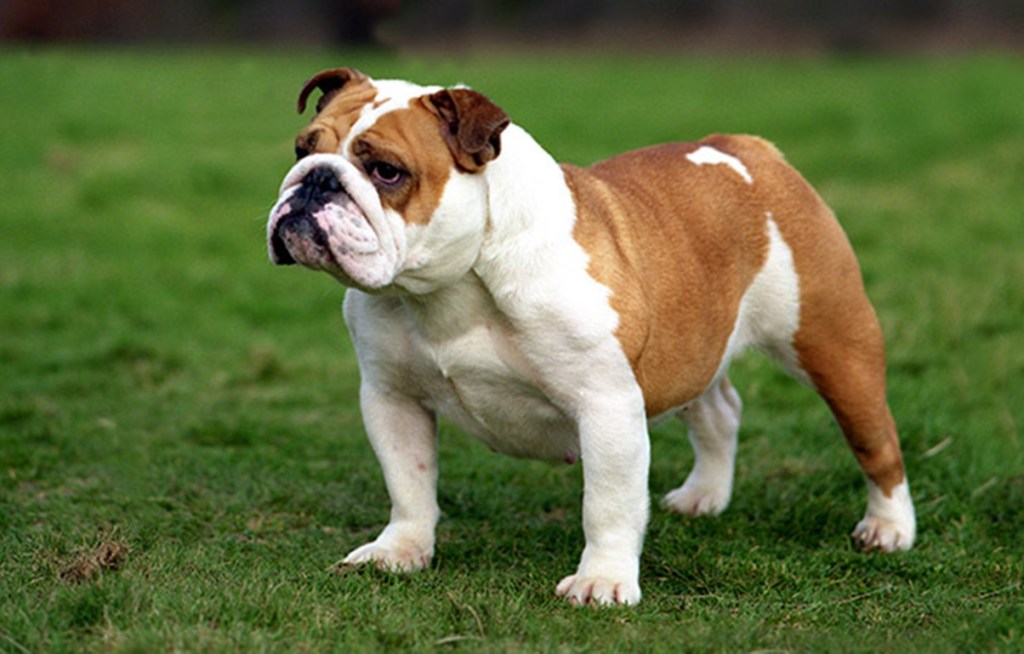
(flat face) - Bulldog
(flat face, skin folds, short tail) - Dogue de Bordeaux
(flat face, skin folds) - French Bulldog
(flat face, short tail, short legs) - Japanese Chin
(flat face) - Pekingese
(flat face, short legs) - Pug
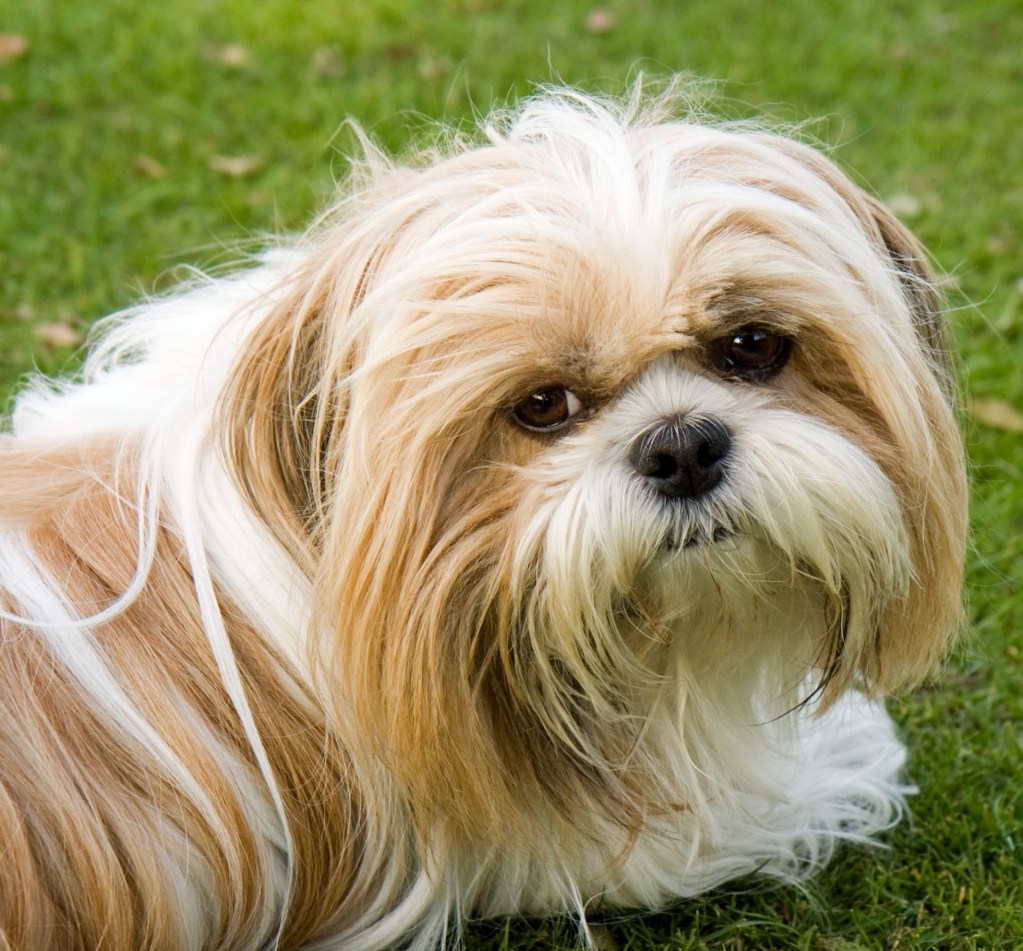
(flat face, skin folds, short tail) - Shih Tzu
(flat face, short legs)
Low/No Risk: The 57 breeds that would pass
These breeds are on the campaigners’ list because they may have one or two of the extreme features, but not the three required to fail the assessment. They are not at risk of being ‘banned’.


Short-legged breeds (but otherwise healthy):
- Basset Bleu de Gascogne
- Basset Fauve de Bretagne
- Cairn Terrier
- Cardigan Welsh Corgi
- Cesky Terrier
- Dachshund
- Dandie Dinmont Terrier
- Glen of Imaal Terrier
- Grand Basset Griffon Vendéen
- Lancashire Heeler
- Norfolk Terrier
- Norwich Terrier
- Pembroke Welsh Corgi
- Petit Basset Griffon Vendéen
- Scottish Terrier
- Sealyham Terrier
- Skye Terrier
- Sussex Spaniel
- Swedish Vallhund
- West Highland White Terrier


Breeds with potential for a single issue (e.g. skin folds, droopy eyes, or a short muzzle, but not multiple issues):
- Affenpinscher
- American Cocker Spaniel
- Bloodhound
- Boxer
- Bracco Italiano
- Brittany
- Bullmastiff
- Cavalier King Charles Spaniel
- Chihuahua
- Chow Chow
- Clumber Spaniel (this year’s Crufts winner)
- King Charles Spaniel
- Lhasa Apso
- Mastiff
- Neapolitan Mastiff
- Newfoundland
- Schipperke
- Shar Pei
- St Bernard
- Staffordshire Bull Terrier
- Tibetan Mastiff
Merle-coloured breeds (a colour pattern, not a conformation issue that would cause a fail on its own):
- Australian Cattle Dog
- Australian Shepherd
- Beauceron
- Bergamasco
- Border Collie
- Great Dane
- Mudi
- Old English Sheepdog
- Polish Lowland Sheepdog
- Pyrenean Mastiff
- Pyrenean Shepherd
- Rough Collie
- Shetland Sheepdog
- Smooth Collie
- Spanish Water Dog