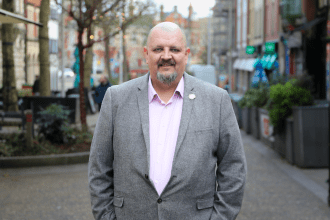
Dr Mohammed Qasim, a visiting research fellow at the University of Bradford, was recognised for academic research and services to young people in the New Year’s Honours List.
He received his honour from the Princess Royal at a ceremony held at Windsor Castle earlier this month. Dr Qasim revealed the Princess Royal spoke to him about the importance of his research and how education is a solution to poverty and gang crime.
Dr Qasim, 41, has spent more than a decade researching the darker side of society, from gaining trust with gang members to meeting teenagers recruited to trafficking drugs via county lines networks, often putting himself at risk along the way.
“It feels a real honour,” said Dr Qasim. “But it makes my research all the more necessary, preventing young people from becoming involved in gangs/drugs and supporting Muslim prisoners upon release from prison.
“There are far too many young Muslims going into prison, something needs to change. Muslim prisoners equate to around 20 per cent of the British prison population when they are around six per cent of the overall UK population.”
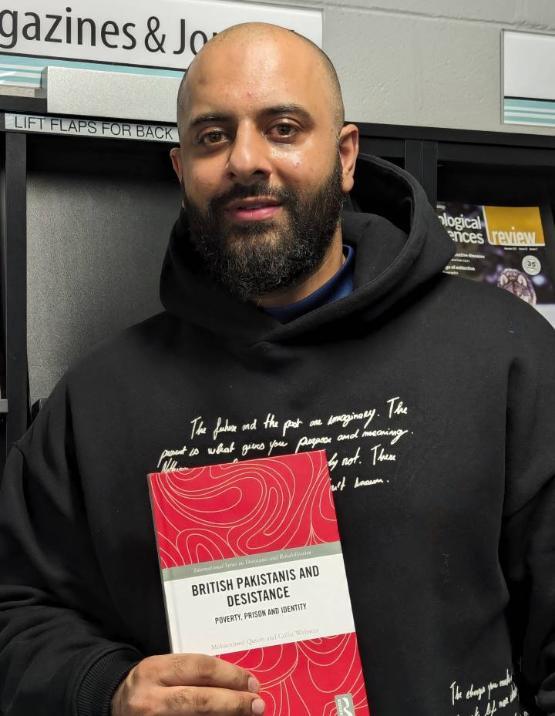
Dr Qasim co-wrote, ‘British Pakistanis and Desistance – Poverty, Prison and Identity’, a book which looks at the lives of men who offend, highlighting the events which led them to start breaking the law, continue offending and how they may struggle to move away from a life of crime once they are released from prison.
He grew up in Manningham, Bradford, and attended the city’s Belle Vue Boys School.
He works at Gower College Swansea and has taught at Swansea University, Leeds Beckett and the London School of Economics.
Dr Qasim was previously a trustee for the charity, Swansea Young Single Homeless Project, now known as Llamau. He keeps in touch with many of the young people he meets through his research and is particularly dedicated to supporting their mental health.
He hopes this honour will inspire those growing up in places like Bradford.

“I came from a place where there was a lot of poverty, discrimination and underlying issues,” continued Dr Qasim.
“If someone like me can receive an honour like this, then anyone can. There is hope, but you have to have the right guidance and support in place.
“There is a lot that needs to change in order to see more young people achieve, particularly those from ethnic minority communities, such as better leadership and positive role models from within the community and a police force which understands underlying factors which contribute to criminality.”
[Lead image Bradford University]