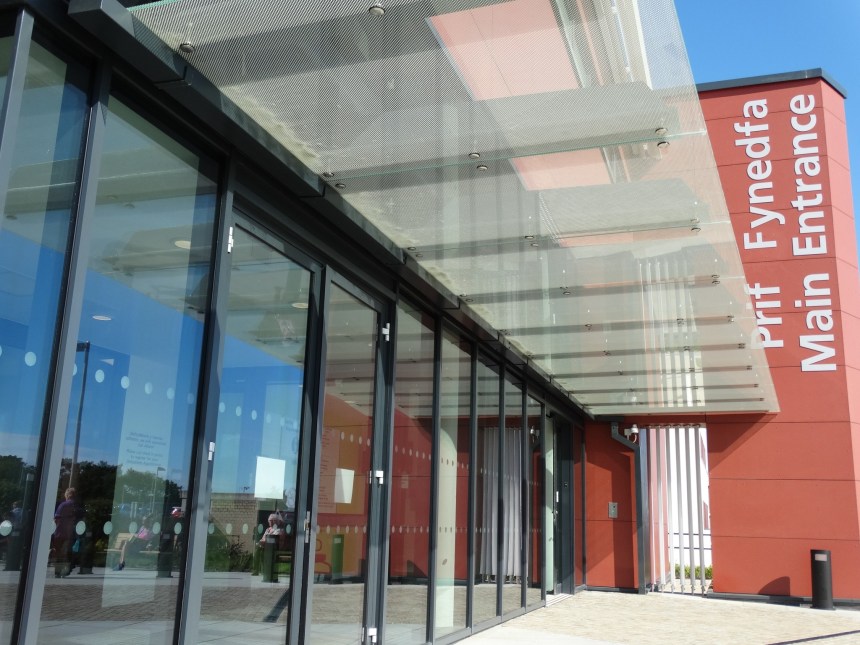
The update comes just 24 hours after Swansea Bay News reported that hospitals across the region were full, with families urged to collect medically fit relatives to help free up beds.
‘Very high demand’ and two emergency incidents
In the open letter, published on Monday, the health board said Morriston Hospital’s Emergency Department and other “front door” services had faced “very high demand” over the past week, prompting two business continuity incidents — the first since March last year.
The board said it had made “real improvements” in urgent and emergency care over the last six months, including faster ambulance handovers, fewer queues outside the department and shorter waiting times inside the ED. But a sharp rise in ambulance arrivals, more walk‑ins and fewer discharges had pushed the system back into crisis.
Swansea Bay University Health Board said:
“This has caused overcrowding and long waits, affecting patients and their families, and for that we are truly sorry.”
The board said the flow of patients through Morriston, Neath Port Talbot and Singleton hospitals had been disrupted by high demand, infection‑related ward closures and difficulties discharging medically fit patients.
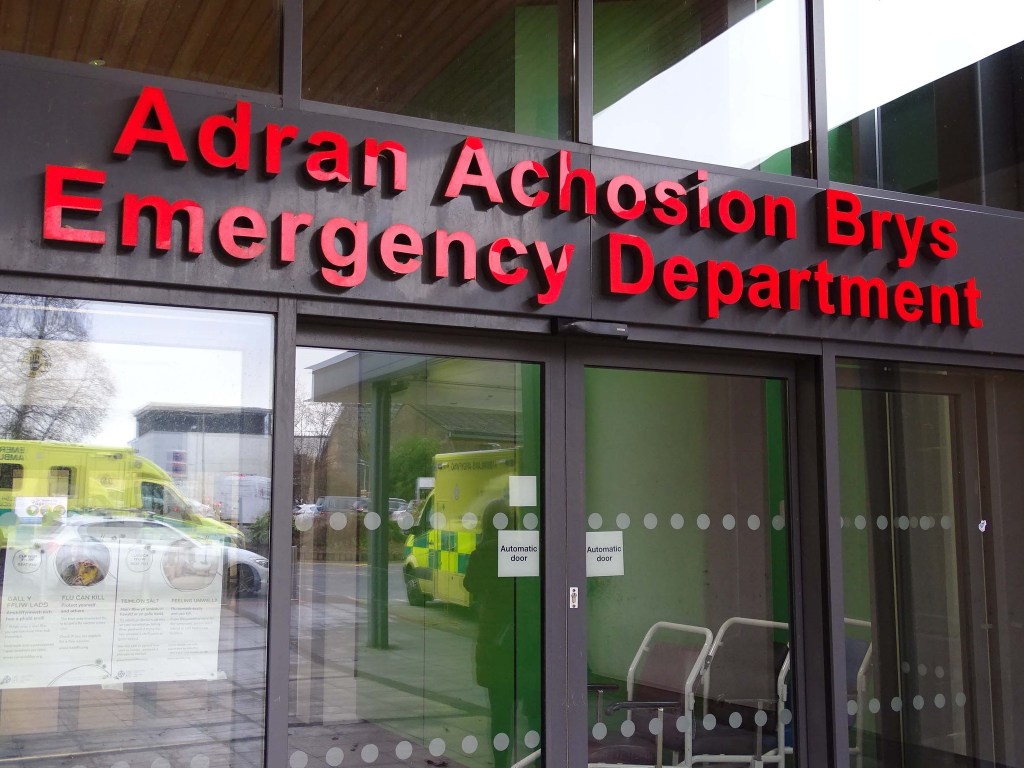
Infection‑related ward closures and visiting restrictions
Alongside the open letter, the health board issued a separate warning about norovirus, confirming that several wards at Morriston Hospital have been temporarily closed to visitors due to high numbers of patients with the infection.
People planning to visit are being urged to telephone the ward before travelling. Visits to affected wards will only be allowed with the approval of the ward leader.
The board said laundry and essential items for patients can still be dropped off following a discussion with the nurse in charge.
What the health board says about norovirus
Norovirus — often called the “winter vomiting bug” — is circulating widely in the community and is now affecting multiple hospital wards.
Symptoms include nausea, diarrhoea, vomiting, fever and body aches. Most people recover at home within a few days but remain contagious for up to 72 hours after symptoms stop.
Joanne Walters, Deputy Head of Nursing for Infection Prevention and Control, said the public can play a key role in slowing the spread.
“The best way to protect yourself and your family is by washing your hands regularly with soap and water.”
The board is asking anyone with symptoms of norovirus, or similar stomach bugs, not to visit loved ones in hospital to avoid further ward closures.
Discharge delays adding to pressure
The health board said its ability to manage demand relies on keeping patients moving through the system and safely discharged into the community. But recent delays — often linked to care packages or practical arrangements at home — have contributed to overcrowding.
Families are being asked to help by ensuring essentials such as keys, heating and basic food supplies are ready when relatives are discharged.
Swansea Bay University Health Board said:
“Medically fit patients who stay in hospital unnecessarily can quickly lose independence.”
‘Pressures will rise again’
With flu circulating and winter weather setting in, the board warned that pressures are likely to increase again in the coming weeks, even as efforts continue to recover capacity.
The letter ends by thanking staff, partners and families for their support and patience, and pledging to be open about the challenges ahead.