Court confession
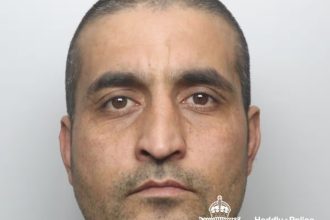
Thomas John Jones, of Prengwyn near Llandysul, stood before Swansea Crown Court and admitted knowingly joining the fraudulent business between March 2015, when he was just 17, and November 2023.
Prosecutors told the court Jones was involved in hiding the true identity of dogs being sold and producing false paperwork to mislead unsuspecting buyers.
Part of a wider network
His guilty plea is just one strand of a much larger case. Trading standards officers from across Wales have spent years investigating the racket, which they say involved multiple players across Llandysul and beyond.
Among those accused is Sara Pritchard Davies, 28, a former winner of S4C’s Can i Gymru, who will stand trial alongside Euros Davies, 60, a councillor from Llanybydder. They are joined by Rhydian Davies, 28, also from Prengwyn, Delyth Mathias, 29, of Cardiff, and Rebecca Bailey, 30, from Llangrannog. All five deny the charges and are set to face a jury in November 2026.
Guilty pleas already entered
Jones is not the only one to admit wrongdoing. Nerys Wyn Davies of Penrhiwllan has already pleaded guilty, while David Bethell of Llandysul, Cara Barrett of Carmarthen, and David Peter Jones of Llandysul accepted responsibility and were handed cautions that will remain on their records. In contrast, Margaret Ann Jones, 71, of Llandysul, was cleared after prosecutors dropped the case against her.
Echoes in Carmarthenshire
The Llandysul case is far from isolated. Just across the county border in Carmarthenshire, Swansea Bay News has already reported on a string of prosecutions that exposed the scale of illegal dog breeding in West Wales.
In one case, a man from Pencader was ordered to repay more than £100,000 made from selling puppies without a licence, or face jail. In another, three breeders were forced to hand over £80,000 after investigators found they had been selling cocker spaniel puppies illegally. Even a Kennel Club show judge was caught up in the scandal, prosecuted by Carmarthenshire Council for unlicensed breeding.
These stories paint a picture of a region where puppy farming has thrived in the shadows, with trading standards teams warning of serious risks to animal welfare and unsuspecting buyers. The Llandysul case now adds to that growing tally, showing how deep the problem runs across rural communities in West Wales.
Trading standards crackdown
The case was brought by Ceredigion County Council and highlights the scale of illegal breeding operations in rural Wales. Investigators say fraudulent paperwork and hidden identities of dogs were central to the scheme, which left families paying thousands for animals with uncertain backgrounds.