The find, revealed through high‑resolution geophysical surveys, is being hailed as one of the most important archaeological breakthroughs in South Wales for decades. Researchers say the scale and preservation of the villa complex is unmatched anywhere else in the region.
The discovery was made by ArchaeoMargam, a major heritage project led by Swansea University’s Centre for Heritage Research and Training (CHART), working with Neath Port Talbot Council and Margam Abbey Church.
‘We never dreamed it would be this clear’
Project lead Dr Alex Langlands said the team expected to find traces of Roman‑era activity — but nothing on this scale.
Dr Langlands said:
“This is an amazing discovery. We always thought we’d find something from the Romano‑British period, but we never dreamed it would be so clearly articulated. This is the missing piece of the puzzle.”
Margam is already known for its Bronze Age, Iron Age and medieval heritage, but almost nothing was known about the Roman period in the area. The villa now fills a major gap in the historical record.
A vast defended site hidden beneath Margam
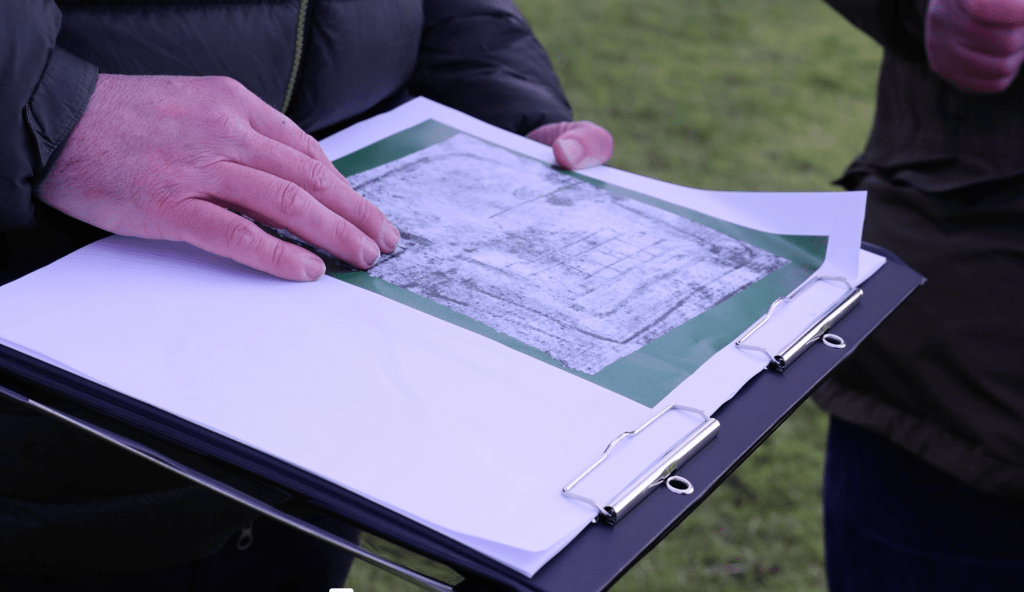
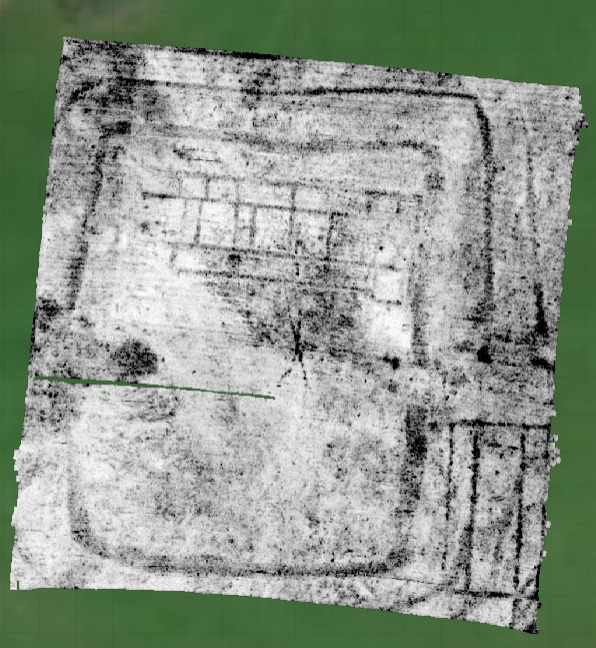
Surveys carried out by Llandough‑based specialists Terradat revealed a large villa set within a defended enclosure measuring roughly 43m by 55m. The enclosure may date back to the Iron Age or reflect instability in the late Roman world.
To the south‑east, researchers also identified a substantial aisled building — possibly a large agricultural store or even a meeting hall for post‑Roman leaders.
Christian Bird, Technical Director at Terradat, said:
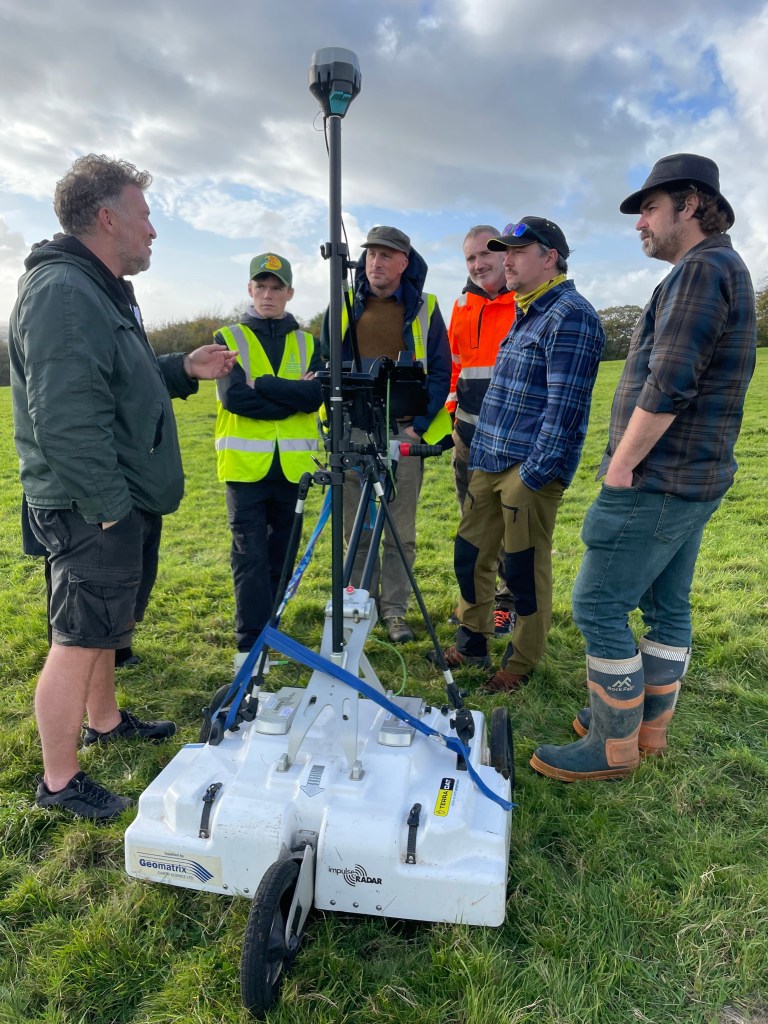
“The magnetometry and GPR data are remarkably clear. We’ve been able to map the villa, surrounding ditches and wider layout in 3D.”

A discovery with national significance
Neath Port Talbot Council says the find underlines the importance of investing in local heritage.
Cllr Cen Phillips, Cabinet Member for Nature, Tourism and Wellbeing, said:
“This spectacular find shows exactly why we created our Heritage, Culture, Tourism and Events Fund. Heritage connects our communities and inspires future generations. I’m extremely excited to learn more about this untold chapter in Margam Park’s long story.”
Swansea University says the project is already delivering cultural and educational benefits across the region, with more than 900 people — including school pupils, volunteers and students — taking part in excavations and workshops.
Professor Helen Griffiths, Pro‑Vice‑Chancellor for Research and Innovation, said:
“ArchaeoMargam strengthens skills, social cohesion and community involvement. We’re delighted to work with partners to bring groundbreaking research to the public.”

‘A real‑life adventure’ for young archaeologists
Local pupils and young volunteers have also been hands‑on with the dig.
Harriet Eaton, NPT Council Education Officer and Young Archaeologist Club leader, said:
“This opportunity turned history into a real‑life adventure. It made archaeology tangible and fun.”
Margam Abbey Church — the only surviving nave of a Cistercian Abbey still in use today — has been central to the project.
Church warden Beverley Gulley said:
“This is a deeply spiritual landscape. We’re keen to learn more about it in partnership with people across the region.”
Public invited to learn more
The ArchaeoMargam team will share new findings — including updates on the Roman villa — at a free open day at Margam Abbey Church later this month.