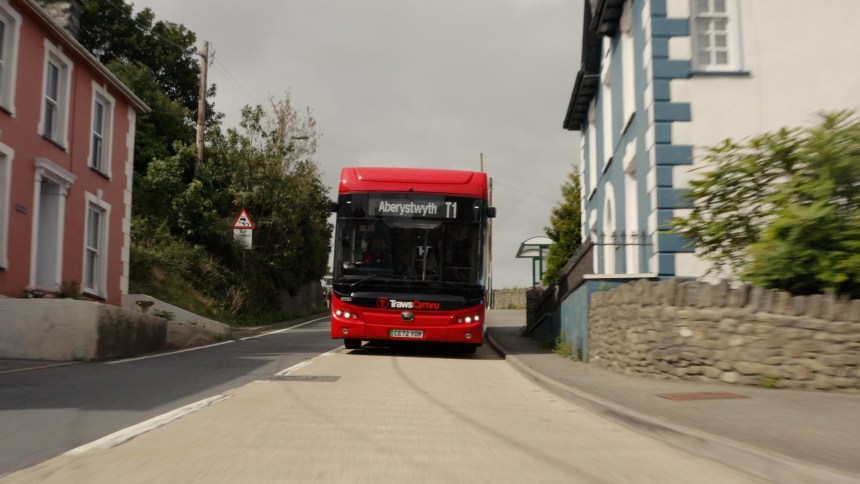
The changes, which come into effect from 20 July, include:
- T1 service: New evening departures from Carmarthen at 6pm and 8pm, and from Aberystwyth at 7:35pm and 10:35pm
- T1X express service: A new Sunday-only departure from Aberystwyth at 8:35pm
The updated timetable is designed to better align with Sunday rail services at Carmarthen, offering smoother connections for longer-distance journeys across west Wales. The T1 route serves a mix of rural communities and tourist destinations including Lampeter, Llanybydder, Pencader and Aberaeron, while the T1X offers a faster, limited-stop service between Aberystwyth and Carmarthen.
From 31 August, passengers will also be able to purchase a new Aberystwyth–Aberaeron Day Ticket, allowing unlimited travel on both the T1 and T5 routes.
Lee Robinson, Executive Director for Regional Transport and Integration at TfW, said the changes reflect community feedback and a commitment to improving access:
“Whether you’re travelling for work, study, or leisure, these changes make it easier to get where you need to go — especially in the evenings and on weekends.”
Context: wider reforms ahead
The announcement comes as Wales prepares for major changes to its bus network, with the Welsh Government planning to introduce bus franchising from 2027, starting in South West Wales. Under the new model, decisions about routes, timetables, fares and service standards will be made by the public sector, with operators bidding to run services under contract.
The aim is to create a simpler, more reliable and better-integrated network, with coordinated timetables and ticketing across bus and rail. Read more about the proposed franchising reforms.
Rail link campaign
Efforts to reopen the Carmarthen to Aberystwyth railway line have been ongoing for over a decade, led by campaign group Traws Link Cymru, which argues that restoring the route would significantly improve connectivity across west Wales.
The line, closed in 1965 during the Beeching cuts, is seen by supporters as a strategic corridor that could stimulate economic growth, tourism, and regional cohesion.
A feasibility study commissioned by the Welsh Government in 2018 found that 97% of the original trackbed remains unobstructed, suggesting that reopening is technically viable.
However, with estimated costs now exceeding £800 million, and recent statements from officials suggesting the project may be decades away from realisation, campaigners continue to press for political commitment and funding to bring the line back into use