Thousands of reports, but no court cases
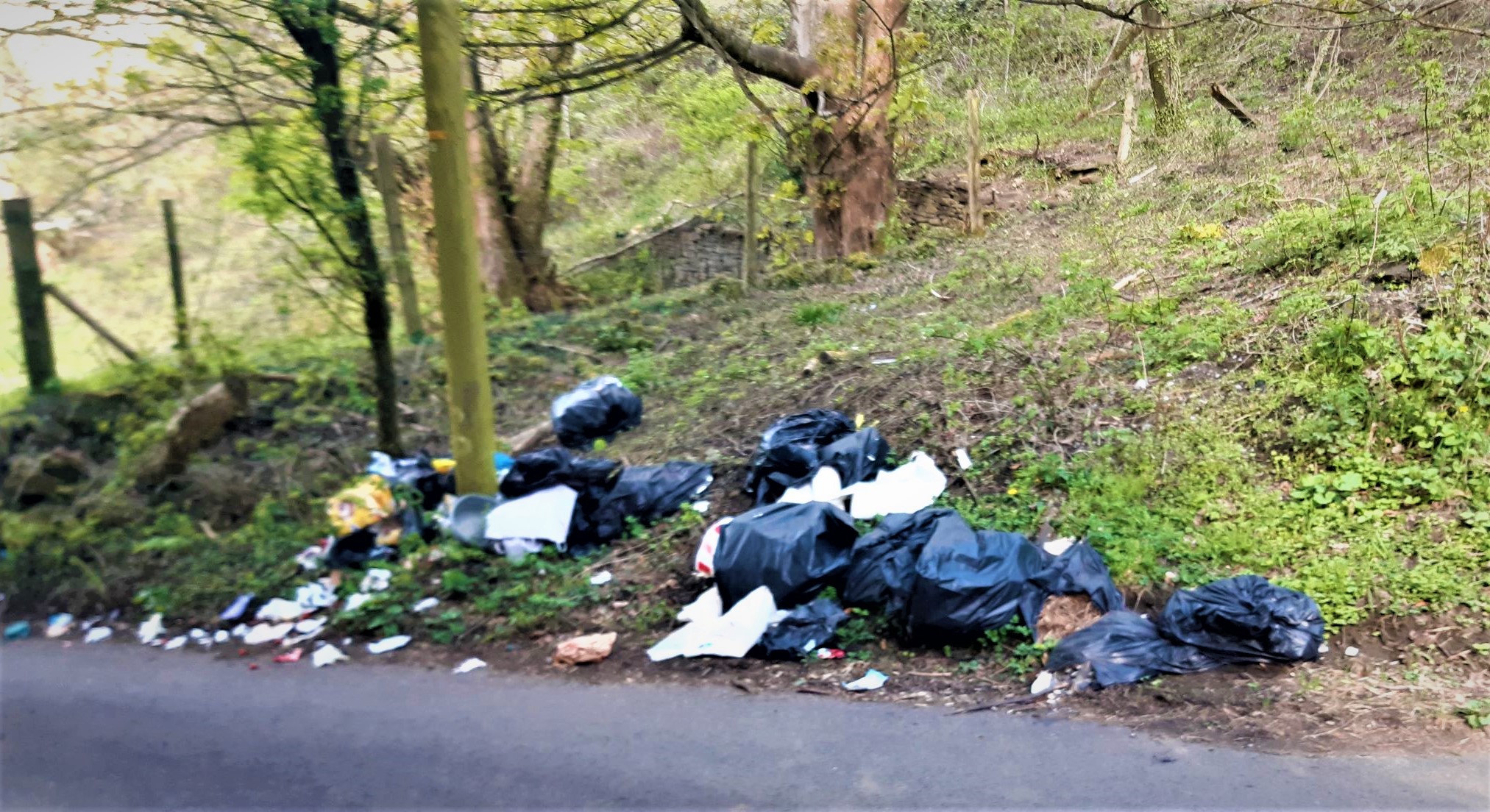
New figures show that despite receiving more than 1,500 reports of fly‑tipping a year, Bridgend Council has not taken anyone to court for the offence since the 2015‑16 financial year.
In 2023‑24 alone, the authority logged 1,510 incidents of rubbish being dumped — only a slight reduction on the 1,600 recorded the year before.
By contrast, neighbouring Neath Port Talbot Council brought forward 139 prosecutions over the same period, while Cardiff secured 206 and Rhondda Cynon Taf 143.
Campaigners: “People have given up”
Local groups say the lack of enforcement has left communities disillusioned.
Huw Griffiths, secretary of the Coity Wallia Commoners’ Association, said residents had stopped reporting incidents because they felt nothing would be done.
“We’ve tried over the years to push them into action over fly‑tipping, but they told us they were not prepared to take action unless it’s on council‑owned property,” he said.
The group previously launched a private prosecution in 2020 after waste was dumped on farmland — believed to be the first case of its kind in Wales. But five years on, Griffiths says they remain “frustrated” by repeated incidents, including livestock harmed after eating dumped rubbish.
Council: focus on prevention and education
Bridgend Council said it continues to log and investigate all reports, but that limited resources and legal requirements mean it must first show it has tried to work with residents before issuing penalties.
A spokesperson said the authority had shifted its emphasis towards prevention and education, teaching residents how to recycle and dispose of waste responsibly.
They pointed to an 18.6% reduction in reported fly‑tipping and waste incidents since 2022‑23, and a 17.9% fall in dumped household refuse bags.
“While this approach is proving to be effective, wherever appropriate the authority will still seek to take action against offenders who refuse to use the waste and recycling system properly,” the council said.
A mixed picture across Wales
The figures highlight a patchwork approach to enforcement. While some councils bring dozens of prosecutions each year, others record only a handful — and in Anglesey, there have been none for almost two decades.
For Bridgend, the absence of prosecutions for nearly ten years has left campaigners questioning whether enough is being done to deter offenders.