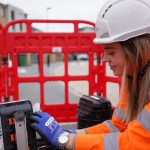
Natural Resources Wales (NRW) officers and specialist contractors have removed many large dying and diseased Ash trees from along the main tracks and public rights of way.
They posed a serious risk to the public and their removal was essential, the environment body have said.
Nick Edwards, Senior Land Management Officer, for NRW, said: “The removal of these trees was essential and will ensure the forest remains a safe place that people can continue to visit and enjoy in the future.
“We really appreciate the public’s patience and understanding during the time Mill Wood has been closed. We are pleased to be able to welcome people to enjoy and appreciate these beautiful woodlands once again.
“However I urge visitors to be mindful that there are still finishing touches to be carried out. We will be re-visiting some areas of the woodlands later in the year to avoid disrupting the breeding of many species that inhabit the area at this time of year.”
NRW say its officers will re-visit areas of the woodlands when they are able to do so without disrupting nature to carry out remediation work, tidying the woodlands by removing brash and cleaning up trails. This work will resume in the Autumn.
In the coming years, NRW says it plans to replant endemic and native species to further enhance the woodlands and would welcome support from the local community and schools. More information will be released on this opportunity when ready to start this phase of work.
Ash dieback is a serious disease of Ash trees, caused by a fungus called Hymenoscyphus fraxineus.
The fungus attaches itself to the leaves of ash trees and spreads through to the branches, causing the tree to die.
Dead branches and entire dead trees can become very brittle and fall, posing a serious risk to the public.
(Lead image: NRW)