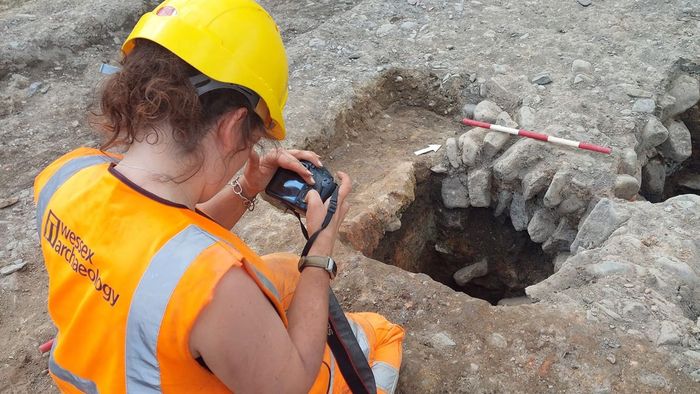
Specialists from Wessex Archaeology have spent the past year investigating the plot — earmarked for 48 apartments for older people by Wales & West Housing — and have revealed evidence of Roman buildings, industrial hearths, and a well-preserved section of road thought to have once led to the River Towy.
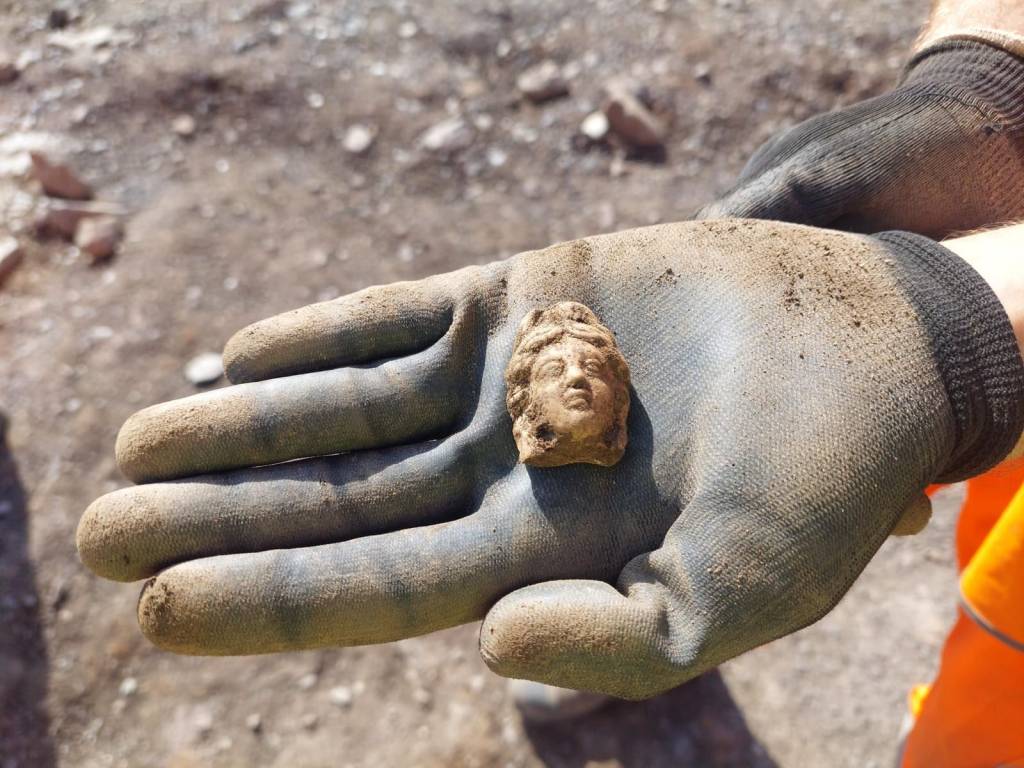
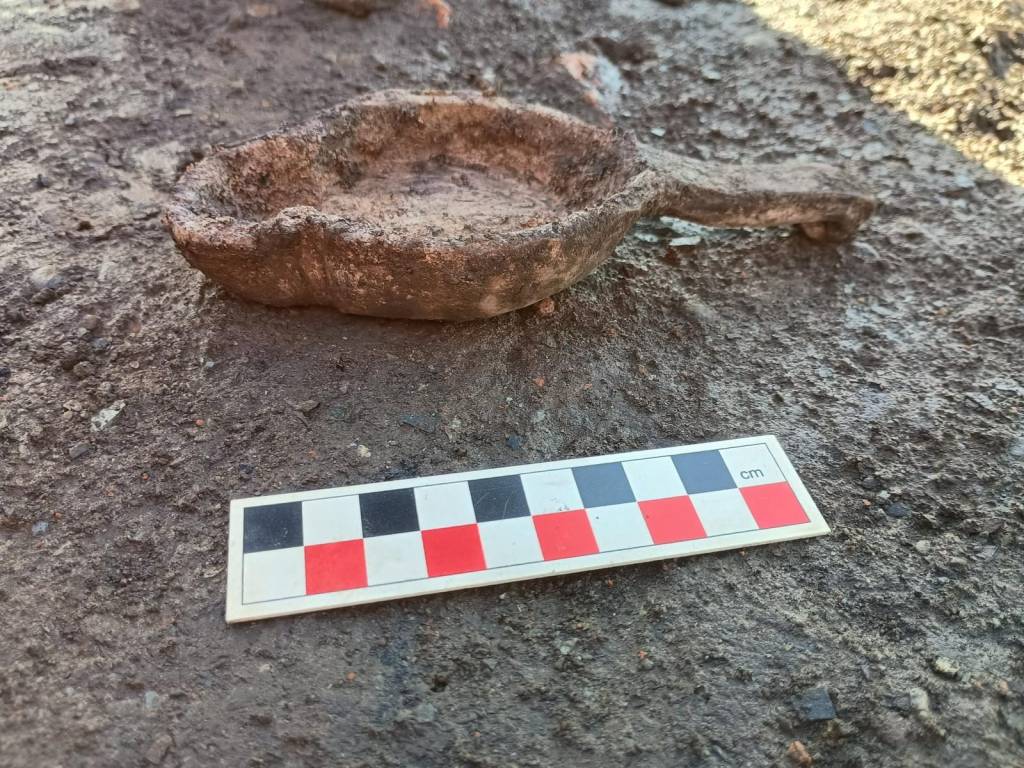
Among the finds are brooches, glass beads, a bone hair pin, and a lamp holder described as being in “terrific condition”. A finely crafted figurine head, believed to have been part of a household shrine known as a lararium, was also recovered.
Vix Hughes, senior project manager at Wessex Archaeology said:
“It has been great working on the site and we’ve found evidence of Roman buildings, metalworking and an amazingly preserved section of Roman road,”
The discoveries place the site close to the heart of Moridunum — the Roman name for Carmarthen — which was established for its strategic position at the upper tidal reaches of the Towy. Archaeologists believe the newly uncovered road would have served both trade and private river access for wealthier residents.

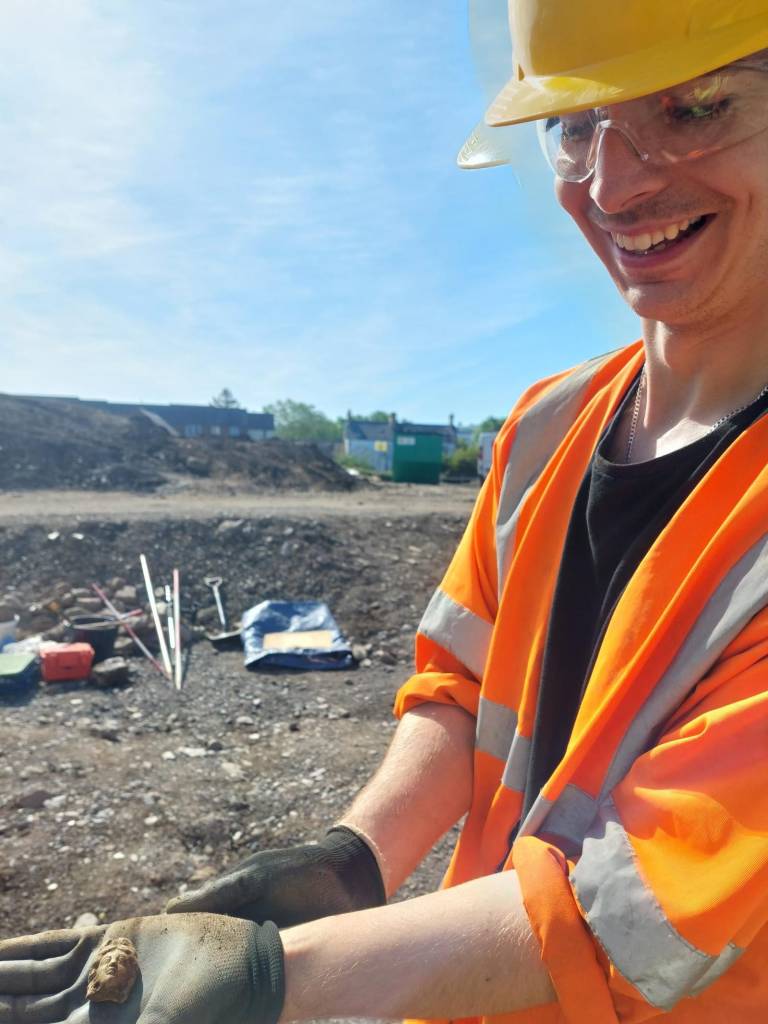
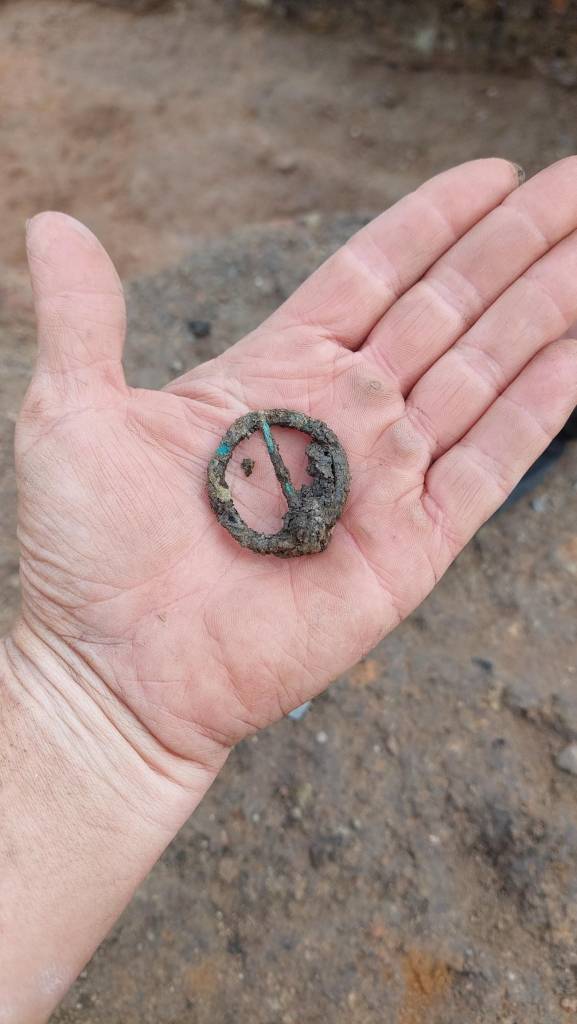
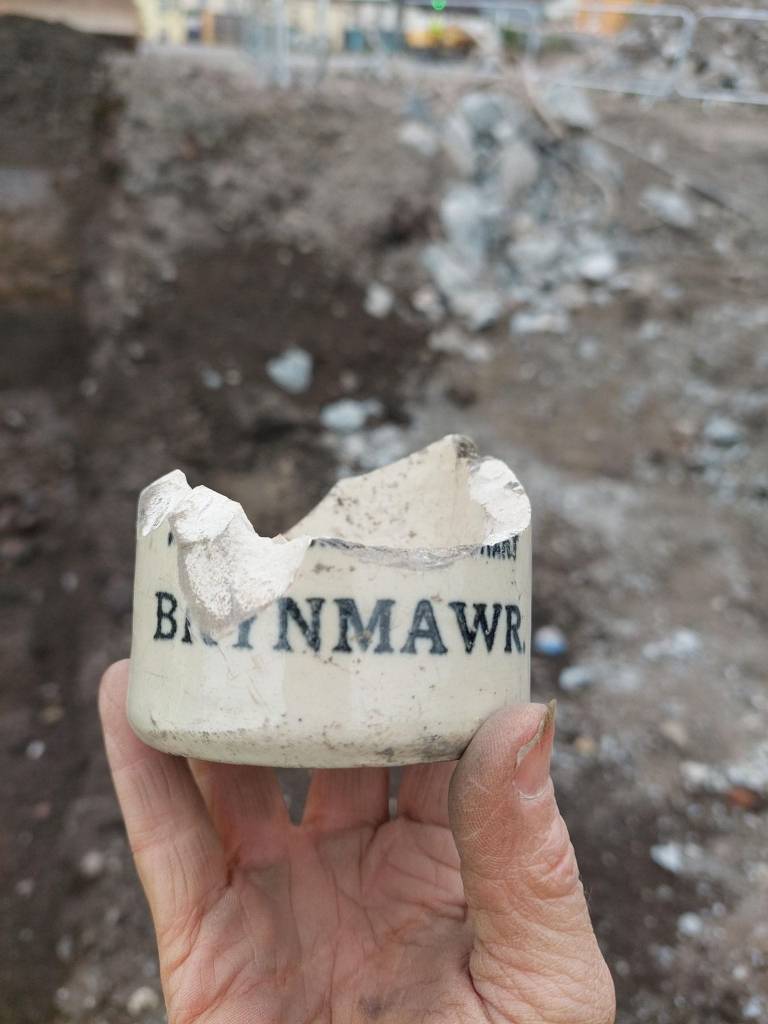
Vix added: “There is evidence of hearths that could have been blacksmiths at the time… The road would have gone all the way to the river, probably for trade but also the more affluent people would have had their own pontoons for their boats.”
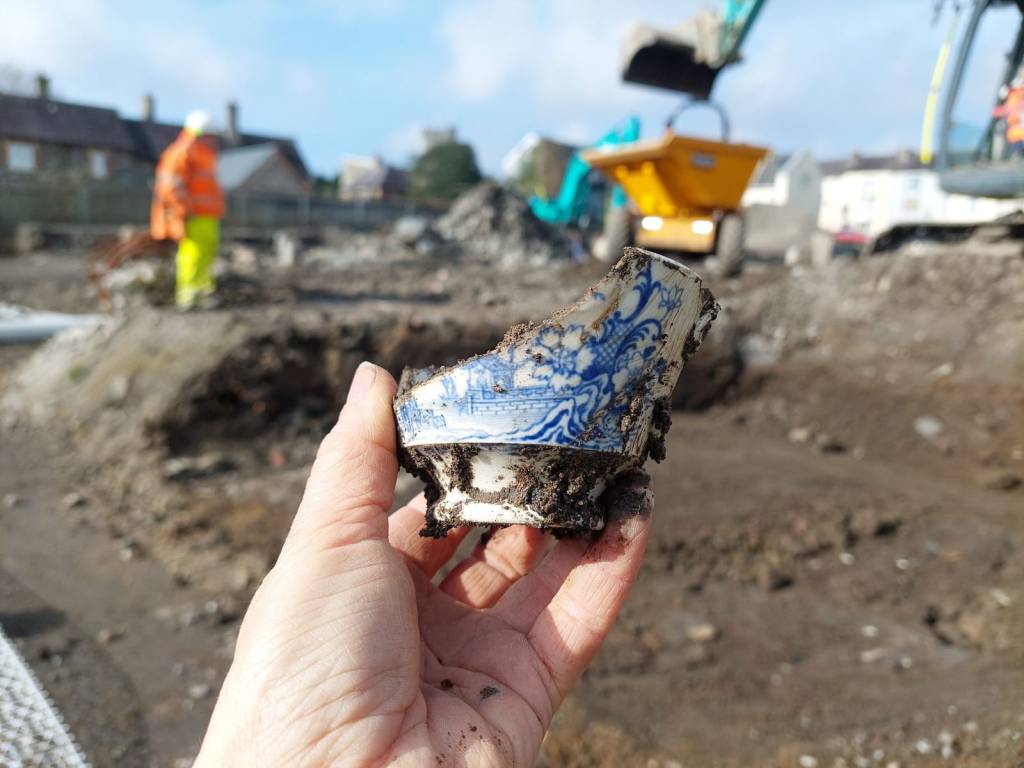
Other finds include roof tiles bearing the paw prints of cats and dogs — likely left while the clay was drying nearly two millennia ago — and later artefacts such as a Georgian or Victorian porcelain figurine, a 19th-century stoneware beer bottle, and a teacup.
Andrew Davies, development delivery manager at Wales & West Housing, said:
“It’s fascinating what has been lying beneath the site for thousands of years… We would like to donate [the finds] to a local museum so they can be shown as part of the town’s history.”
Contractors Jones Brothers (Henllan) Ltd have begun construction in areas unaffected by the dig. The £multi-million development — approved by Carmarthenshire County Council in 2024 — will provide energy-efficient one-bedroom flats with communal gardens, designed to HAPPI standards, and is expected to be completed by 2027.
The Lidl site has long been known to hold archaeological interest. Initial surveys ahead of planning permission revealed Roman and post-medieval walls, while previous digs nearby have uncovered parts of the town’s amphitheatre and forum basilica.
(All images: Wessex Archaeology)