



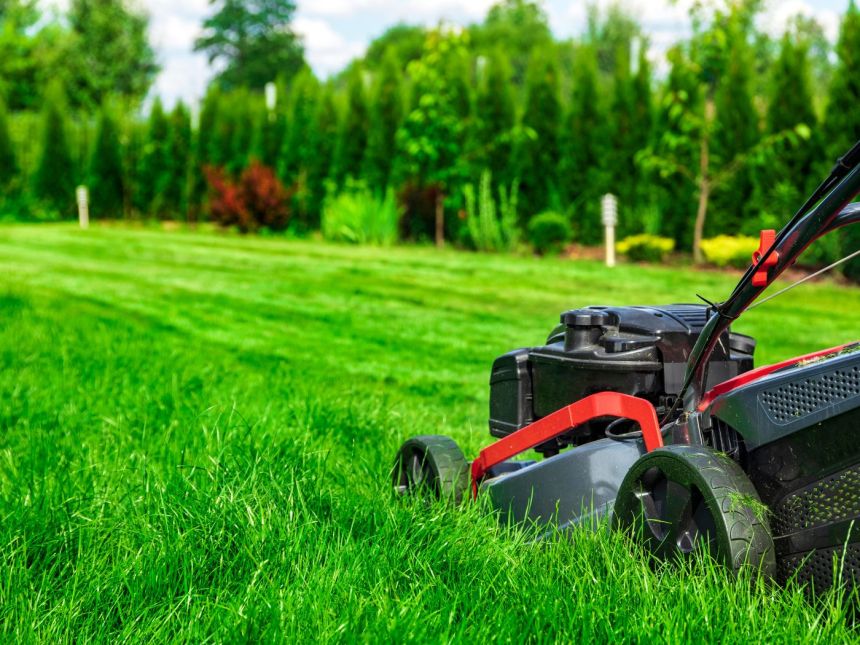
The concept of No Mow May has been designed to encourage people to allow their gardens to grow through the month of May, providing a good environment for wildflowers and longer grasses, which provide food and habitat for pollinators.
While the idea of protecting wildlife is appealing, letting our gardens run wild for a month can cause long-term damage if it’s not approached the correct way. We’ve spoken to an expert from MyBuilder.com, to help gardeners get the best of both worlds, with guidance on how to do No Mow May the safe way.
With tips on how to prepare your lawn and garden, how to keep it healthy through the no mow period, and how to recover after, the advice means you can protect both the wildlife and your garden. It also gives gardeners and wildlife lovers tips on how to maximise the effect of their actions, by planting specific products.
No Mow May has become a worldwide phenomenon as people across the world want to play their part in helping support biodiversity in their garden. While it seems a simple premise, there is far more strategy needed to make a real success of the campaign.
James Lewis, an experienced gardener from MyBuilder.com, said that the key to embracing No Mow May without ruining your garden is to have a three-point strategy.
“The danger with letting your grass grow without interference is that it can damage lawn health, see an uptick in unpleasant and invasive weeds, and can even attract pests, such as ticks and mosquitoes, and even rodents.
“Even when the month is over, there are risks in cutting long grass, such as damaging your mower, and stressing the grass plants themselves, leading to yellow patches or even gaps in your lawn. It’s essential that correct prep, maintenance, and most of all, recovery, take place.”

(Image: Canva)
To make No Mow May work for your garden and wildlife, follow these tips:
How to prepare
Select your area
If you don’t plan to let your whole garden run wild, choose the areas you are willing to let go. Some gardeners choose to keep access paths mown, or areas of high footfall, others leave just a small patch to grow while maintaining the rest of their garden.
Choose what to grow
Not all grasses and plants are equal when it comes to biodiversity and attracting pollinators. In fact some invasive species may even be harmful. Consider plantingLavender, types of Bluebell, Rosemary, or Wallflower, all of which are very attractive to bees and insects.
Mow short and remove problem plants
Once your area is chosen, do a final short cut, rake up clippings, and look for any problem plants or invasive species, such as bindweed. Remove what you can, and plant any desirable plants beneficial to biodiversity, such as those mentioned above.
During No Mow May
Keep an eye out for invasive plants growth
While weed growth will be inevitable during the month, some weeds are more harmful than others. Look out for nettles, thistles, and dock leaves, and remove them where you can. Doing this every week will reduce your problem at the end of the month when the time comes to cut the lawn.
Use non-harmful pesticides to use
While using traditional pesticides will be counter-productive to embracing No Mow May, you can still attempt to keep pests away. Low-toxicity pesticides such as diatomaceous earth or neem oil, which is safe to use around pollinators, can be used.
How to restore
Disturb the lawn
After a month of no disturbance, there may well be a plethora of wildlife in your grass, such as frogs, or hedgehogs. Before you do any mowing, try and disturb the grass so they move off. Also, make sure to check before you cut the blades really short, to avoid injuring any wildlife.
Mow in stages
After a month of growth, your grass is likely to be lengthy. While it might be tempting to chop it all down, doing so will damage both the grass plants and your mower. Instead, mow in stages, ensuring that you don’t “scalp” your grass, exposing it to too much sunlight too quickly, causing it to go brown. Aim to take the grass down by no more than a third of its length each time you mow over the course of a couple of weeks, checking for damage each time, and removing the cuttings so the grass isn’t smothered.
Remove weeds
With the growth of grass comes the inevitable growth of weeds, which may be considerable after a month. Remove the weeds from the root where possible, or consider using a weed suppressor or non-toxic killer.
Don’t panic
Lack of exposure to sunlight at the bottom of the blade means that photosynthesis doesn’t take place, often leaving your blades a sickly yellow colour. While this may look worrying, it’s perfectly normal and your grass should be allowed to recover. Helping it along with some fertiliser is a good idea, but in time most of your lawn should become a healthy green again.
Reseed damaged areas
It may be inevitable that your lawn is damaged by the change in length, so be prepared to re-seed where the brown patches can’t be saved. To do this, scarify your lawn (remove all dead grass and debris), aerate the area of reseeding, and level the soil. Once this is done, distribute the seeds evenly over the soil, lightly cover them and moisten the soil. Keep the area well watered.



@swanseabaynews The problems you describe seem to be with continuing the mowing not with stopping.
Rodents, mosquitos, and weeds are often not a problem in a healthy, balanced ecosystem. Turn your garden into a healthy ecosystem instead of forcing nature into your media-driven ideal.
Lawn health is only important if your plan is a manicured (empty) lawn. How about never mowing again instead? How about working with nature rather than against it?
1/2
Remote Reply
Original Comment URL
Your Profile
Why do I need to enter my profile?
This site is part of the ⁂ open social web, a network of interconnected social platforms (like Mastodon, Pixelfed, Friendica, and others). Unlike centralized social media, your account lives on a platform of your choice, and you can interact with people across different platforms.
By entering your profile, we can send you to your account where you can complete this action.
@swanseabaynews
Choose local species with the characteristics you are looking for instead of forcing grass to stay the length we've been driven to prefer.
Manicured lawns don't make sense from an ecosystem perspective. Much better to choose mosses, low-growing grasses, and such that work with your area. There are seed mixes for all kinds of applications if you don't know yourself.
There will be a transition period which might even be ugly. But it's worth it.
Remote Reply
Original Comment URL
Your Profile
Why do I need to enter my profile?
This site is part of the ⁂ open social web, a network of interconnected social platforms (like Mastodon, Pixelfed, Friendica, and others). Unlike centralized social media, your account lives on a platform of your choice, and you can interact with people across different platforms.
By entering your profile, we can send you to your account where you can complete this action.