The Welsh Government’s Senedd Cymru (Members and Elections) Act instructs the Commission to make recommendations for 16 constituencies to replace the current 40 constituencies and 5 regions.
These new constituencies will take effect automatically at the 2026 Senedd election, and 6 Members of the Senedd will be elected from each one, using the D’Hondt method currently used for the Senedd’s regional lists – meaning voters will choose a party rather than a specific candidate.
The Democracy and Boundary Commission Cymru has created 16 constituencies by pairing Wales’ 32 UK parliamentary constituencies, ensuring that each constituency neighbours the one with which it is paired.
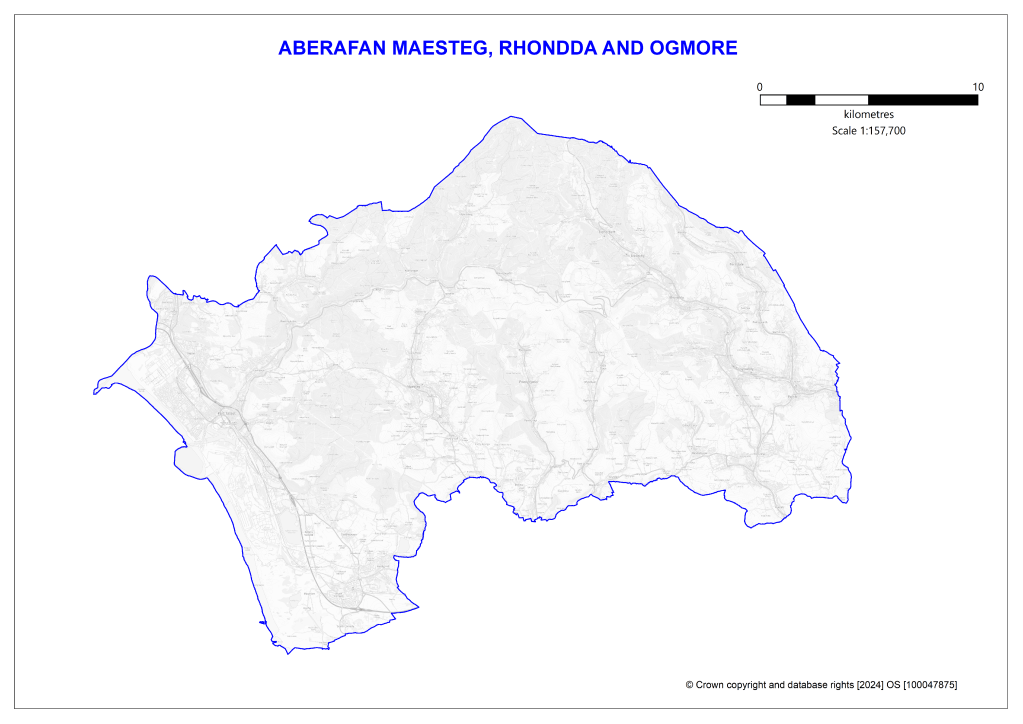
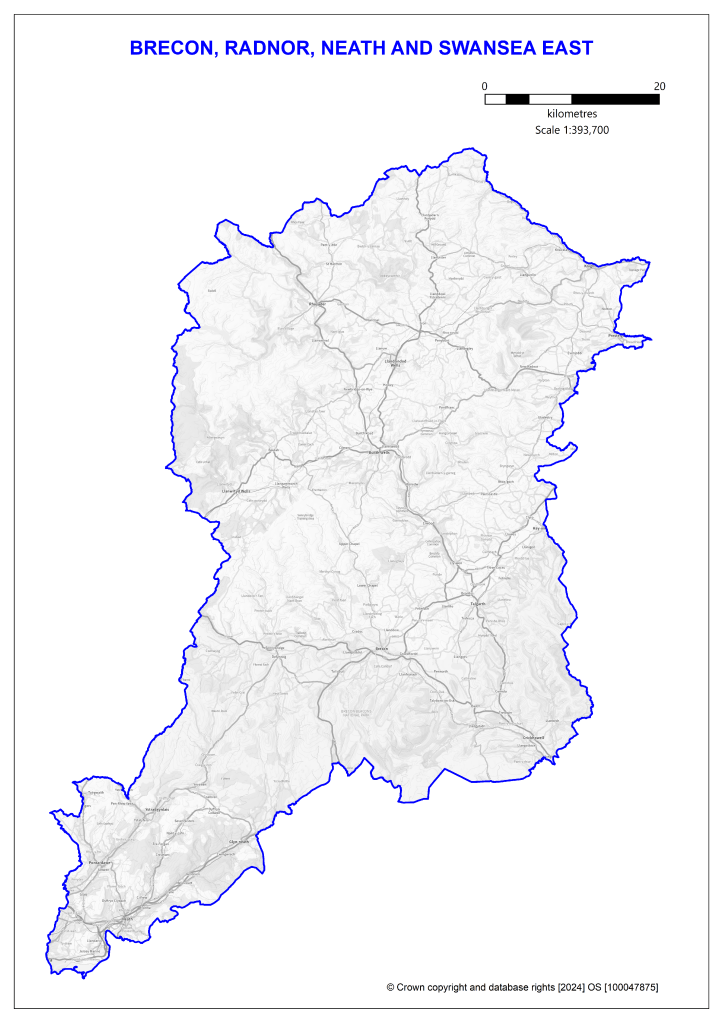
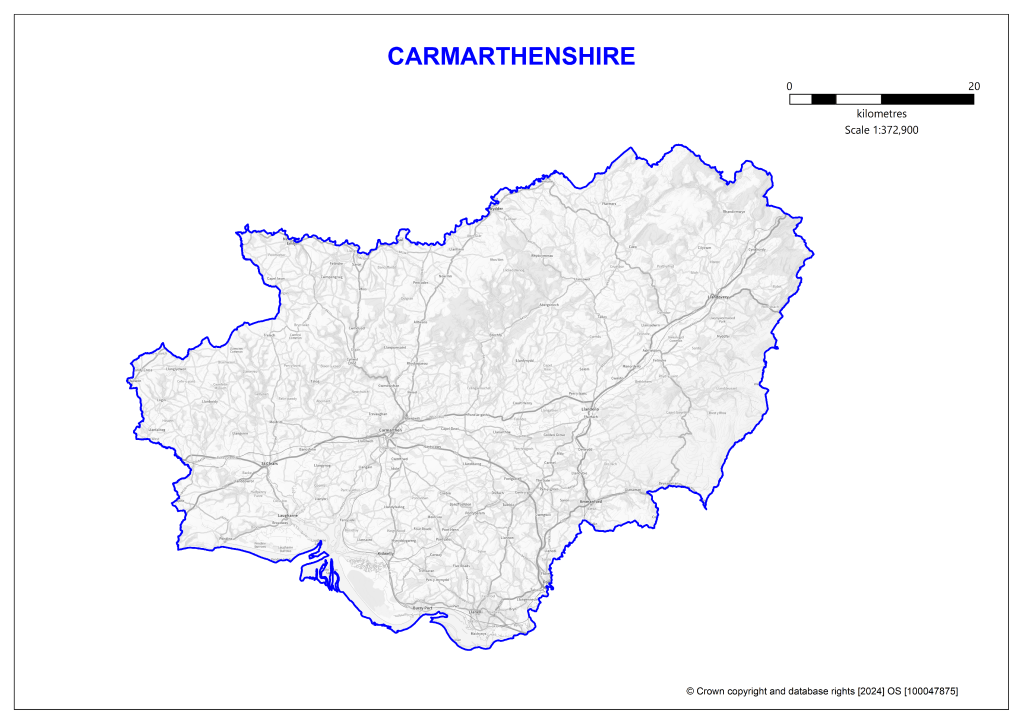
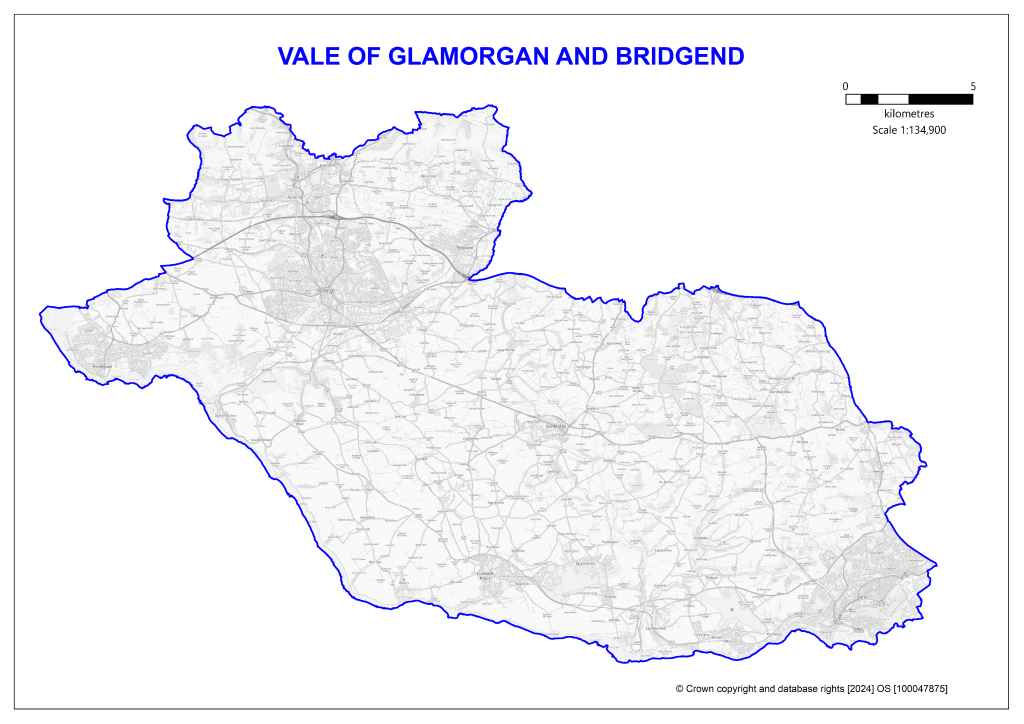
The 16 constituencies proposed by the Commission are:
Bangor Aberconwy Ynys Môn
Clwyd
Alyn, Deeside and Wrexham
Dwyfor Meirionnydd, Montgomeryshire and Glyndŵr
Ceredigion and Pembrokeshire
Carmarthenshire
Swansea West and Gower
Brecon, Radnor, Neath and Swansea East
Aberafan Maesteg, Rhondda and Ogmore
Merthyr Tydfil, Aberdare and Pontypridd
Blaenau Gwent, Rhymney and Caerphilly
Monmouthshire and Torfaen
Newport and Islwyn
Cardiff East and North
Cardiff West, South and Penarth
Vale of Glamorgan and Bridgend
The Commission says that constituencies should only be thought of as “contiguous” or neighbouring if it is possible to travel throughout it without having to leave the constituency.
For example, the Commission did not consider Ynys Môn and Dwyfor Meirionnydd to be a viable proposal since it is not possible to travel from one to the other by road without having to enter Bangor Aberconwy.
The Commission says it also considered local ties, such as shared history, the Welsh language, and socio-economic considerations in an attempt to propose constituencies which feel as natural as possible to people across Wales.
The Commission says it does not however consider the impact of its proposals on future election results.
Having published its initial proposals, the Democracy and Boundary Commission Cymru has also opened a 4-week consultation to seek the views of people across Wales.
The Commission says it is keen to understand whether there is public support for these proposals or whether people feel that their parliamentary constituency should instead be paired with a different constituency.
The Commission also says it looks forward to hearing the public’s views on the proposed constituency names.
DBCC’s aim was to give the constituencies names which reflected the areas they cover, and where there was no name in common use for the area, to use the names of the parliamentary constituencies.
The Commission has however stated that local people are best placed to advise on the names for their area and the Commission remains very open to amending the proposed names as well as the proposed pairs.
Commenting on the publication of the initial proposals, Chief Executive of the Democracy and Boundary Commission Cymru, Shereen Williams MBE OStJ said: “Today marks a very important step in the journey towards reforming the Senedd.
“At the 2026 Senedd election, our national parliament will be elected using an entirely new system, with entirely new constituencies.
“The Commission is confident that our initial proposals represent a very good first step in creating Wales’ 16 new Senedd constituencies, but we know from experience that these processes are always strengthened when we hear from the public.
“So we strongly encourage everyone to share their views with us, whether they support or oppose the proposals, so that we can go on to further strengthen the map ahead of the next election.”



Commenting on the new Senedd constituency boundaries ahead of the 2026 election for the expanded Senedd, Darren Millar MS, Welsh Conservative Shadow Minister for the Constitution said: “Welsh Conservatives have consistently opposed Labour and Plaid’s Senedd expansion proposals, it’s the wrong priority and more boundary changes will cause yet further upheaval and confusion for those who have already had to contend with boundary changes in council and Westminster elections.
“We need a Welsh Government that is focussed on getting to grips with problems in our NHS, education system and economy, not one that is obsessed with more politicians and constitutional change.”
The initial consultation period closes on 30 September, and the Commission says it will publish its Revised Proposals report in December 2024.
Another 4-week consultation period running into January 2025 will follow. The Commission expects to publish its Final Decisions in March 2025.
(Lead image: Wikimedia Commons)