The six men and five women – who all belong to the McDonagh family – were sentenced today. The six men previously pleaded guilty to a fraud charge – and all 11 pleaded guilty to an offence under the Animal Welfare Act 2006.
In mitigation for the defendants it was heard by their legal representatives that it had been an “unsophisticated conspiracy” while the court was told that some of the defendants had work that “dried up” during the pandemic.
However, in his sentencing remarks Judge Geraint Walters said there was “carefully coordinated action” where the use of multiple properties, different vehicles and different vet practices had been used, along with false adverts, false documentation and various mobile numbers.
He added that RSPCA Inspector Kirsty Withnall had painstakingly analysed data regarding sale and adverts while there had been a number of victims who experienced “unspeakable distress”.
The six men all were imprisoned and were disqualified from keeping dogs for 15 years. The five women all received community orders and were disqualified from keeping dogs for 10 years.
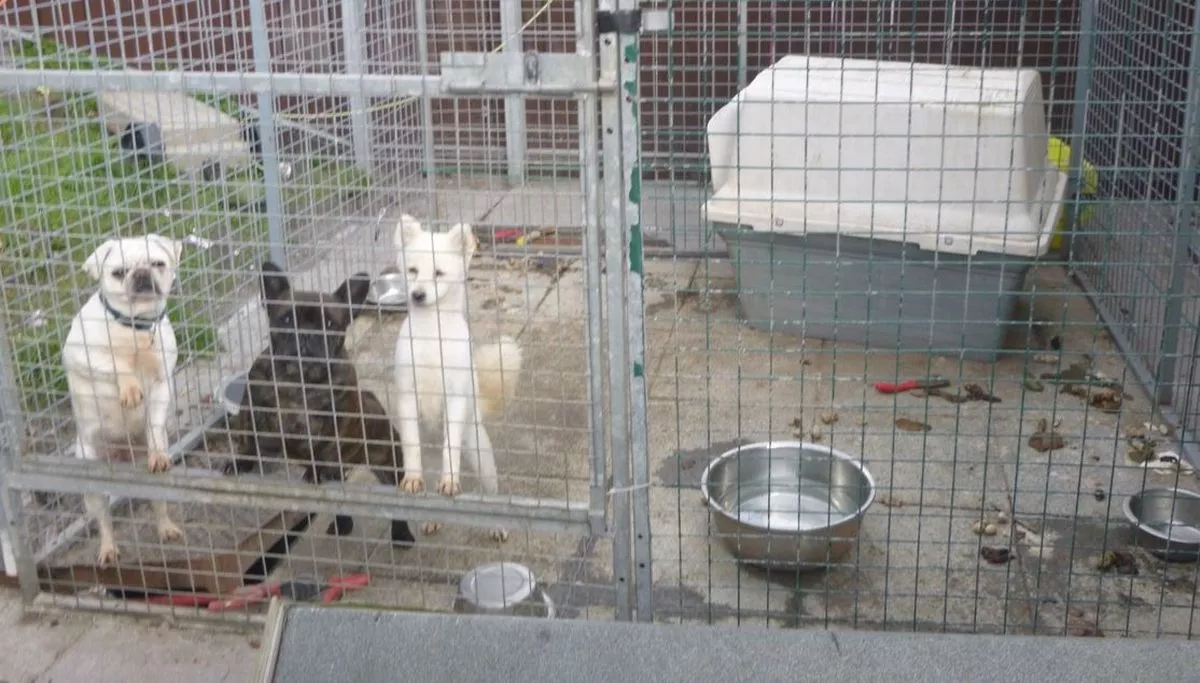
The case involved £300,000 worth of dogs/puppies which had been sold to members of the public under false pretences. Advertised as home bred, healthy, and a well socialised family pet – the puppies were in some cases bred in sheds or purchased from elsewhere, while there were also dogs that were reportedly stolen.

The RSPCA-led operation found that the dogs and puppies that were sold with a variety of health concerns had been imported from Poland, Hungary, the Czech Republic and Ireland. It was also thought they were imported illegally due to the lack of passports and vaccinations.
It was also found that 41 residential addresses, 47 mobile numbers and 39 email addresses were being used by the dog sellers, some of these were completely unrelated to the McDonagh family.
Following the hearing, Inspector Withnall, said:
“We’d very much like to thank all those who helped us bring this case to court, from Gwent Police, veterinary practices, witnesses, Newport Trading Standards and The Animal and Plant Health Agency (APHA).
“The heartbreaking reality of puppy farming is that the welfare of the puppies comes second to making money.
“The sums of money involved are just eye-watering; and it’s another reminder of how unscrupulous this trade can be; and how dangerous poor breeding and trading practices are for dogs, pups and unsuspecting consumers.
“For anyone looking to buy a puppy, rather than adopt – we urge them to do their research, know the signs of an unscrupulous breeder and use tools such as the Puppy Contract to avoid becoming another victim of the puppy trade.”
[Lead image: RSPCA]