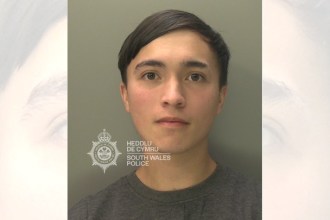
Known as Operator Initiated Facial Recognition (OIFR), the app allows officers to confirm the identity of individuals who are unable or unwilling to provide their details. It has already been used to identify missing persons, suspects, and individuals at risk of harm, including those unconscious or deceased.
In its first few months of use, the app has led to 10 arrests in South Wales, including one man in Cardiff wanted on a European Arrest Warrant for drug offences and assaulting a police officer in Poland. In Gwent, six uses of the app resulted in three matches, including the arrest of a man wanted for shoplifting, assault and motoring offences.
Inspector Ben Gwyer, who leads on facial recognition for both forces, said the technology is proving valuable in fast-moving situations:
“These examples have allowed officers to quickly identify individuals who have refused to give details or given false details before taking appropriate action depending on the circumstances.
This technology doesn’t replace traditional means of identifying people and officers only use it in instances where it is both necessary and proportionate to do so, with the aim of keeping that particular individual, or the wider public, safe.”
Police say the app enhances operational efficiency and public safety, allowing officers to resolve cases of mistaken identity without requiring trips to police stations or custody suites. Photographs taken using the app are not retained, and its use in private settings—such as homes, schools or medical facilities—is restricted to situations involving significant risk of harm.
However, the rollout has sparked criticism from civil liberties groups. Jake Hurfurt, of Big Brother Watch, said the app “creates a dangerous imbalance between the public’s rights with the police’s powers,” warning that it could erode the right to anonymity in public spaces.
Charlie Whelton, of Liberty, described the technology as a “deeply invasive breach of our privacy rights, data protection laws and equality laws,” and called for urgent government safeguards to prevent unchecked surveillance.
The debate echoes a 2020 Court of Appeal ruling that found South Wales Police’s use of automatic facial recognition (AFR) unlawful in two pilot deployments. While the court acknowledged the potential benefits of the technology, it also emphasised the need for robust legal frameworks and oversight.
Police leaders maintain that the current app is used lawfully and ethically, with human decision-making and scrutiny built into every use. Assistant Chief Constable Trudi Meyrick of South Wales Police said the app enhances officers’ ability to confirm identity fairly and transparently, while Assistant Chief Constable Nick McLain of Gwent Police added:
“We have a robust scrutiny process in place to ensure accountability, and testing found no evidence of racial, age or gender bias.”