Broken roads are costing drivers dear
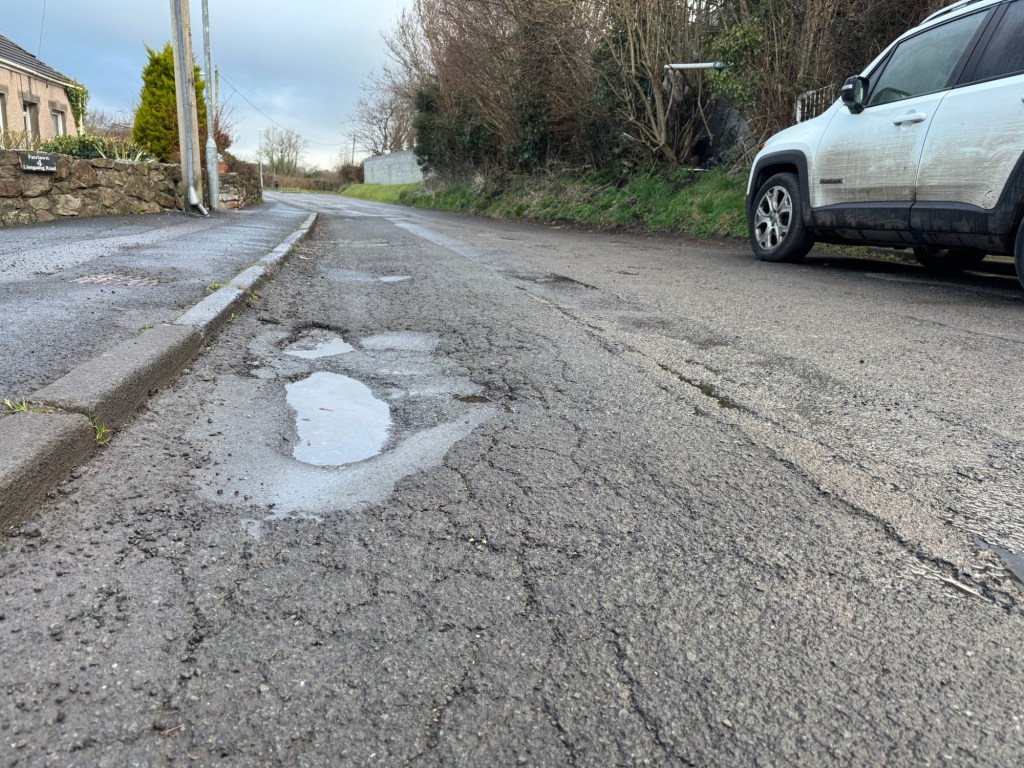
For motorists, the numbers are more than statistics. The RAC says drivers in England and Wales encounter an average of six potholes per mile, while the AA reports that fixing potholes is a priority for 96% of drivers.
Prime Minister Sir Keir Starmer has warned that “broken roads can risk lives and cost families hundreds if not thousands of pounds on repairs”. Industry data backs that up: Halfords says more than a quarter of drivers suffered pothole damage last year, with repairs averaging £718 for suspension, wheels and tyres.
AA president Edmund King has urged councils to focus on “permanent and innovative repairs rather than adopting a ‘patch and run’ approach”, warning that potholes can be fatal for cyclists and motorcyclists.

Who is actually responsible for fixing the roads?
Part of the confusion for drivers is that not all roads are the same.
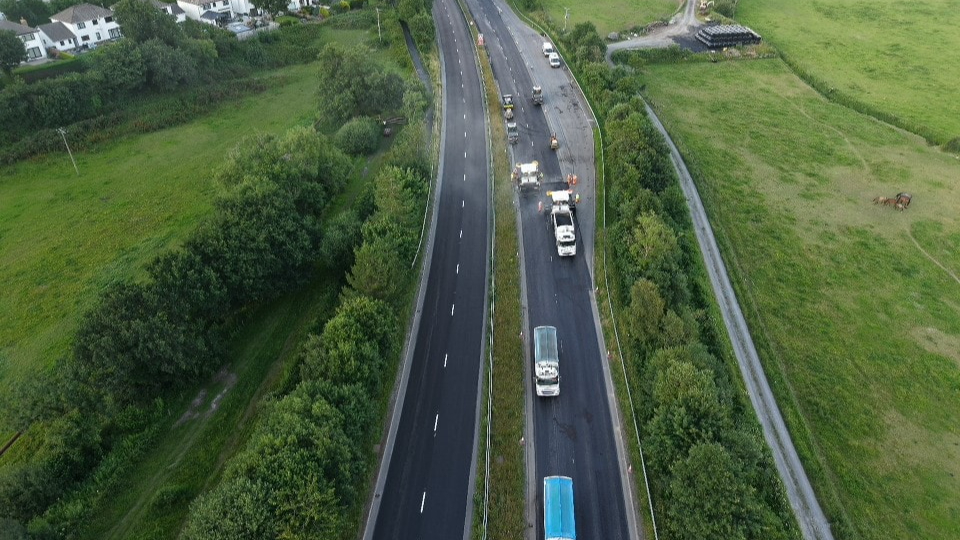
- The Welsh Government maintains trunk roads and motorways such as the M4 and A40.
- Local councils are responsible for local roads, using a mix of their own budgets and government‑backed borrowing.
So when the Welsh Government says 37,000 potholes were fixed or prevented between April and September, that only covers work funded through its own schemes. It doesn’t capture the full scale of day‑to‑day repairs carried out by councils.
(Image: Swansea Council)
Councils’ budgets show a fragmented picture
Earlier this year, councils set their budgets for 2025/26 — and the differences are stark.
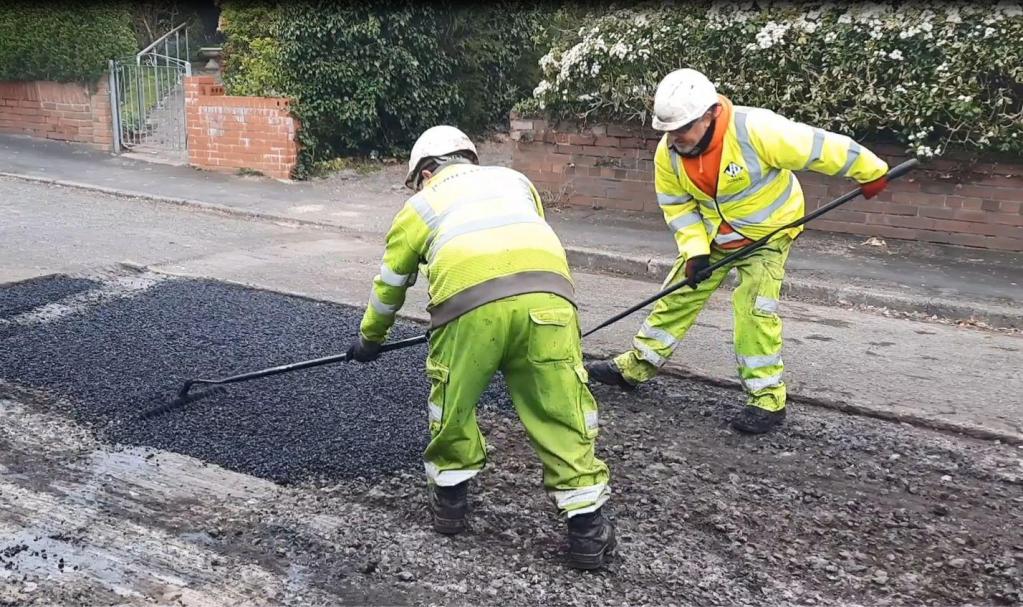
- In Swansea, councillors approved a record £20m investment in highways, covering resurfacing, pavements, bridges and drainage. By mid‑year, schemes such as the 8km resurfacing of the B4295 on Gower had already been delivered.
- In Bridgend, the budget included £590,000 for highways works, topped up by £2.9m from the Welsh Government’s borrowing initiative.
- In Pembrokeshire, councillors warned last year that the county faced a period of “managed decline” in its road network, with only the most urgent repairs affordable.
The result is a patchwork: Swansea trumpeting record spending, Bridgend relying on borrowing, and Pembrokeshire openly admitting the limits of what it can achieve.
(Image: Welsh Government)
Swansea leads on transparency – others lag behind
Swansea is also unusual in publishing weekly updates on potholes fixed, including how many were repaired within 48 hours. Those logs show dozens repaired every week — far higher than the 57 potholes attributed to Swansea in the Welsh Government’s dataset for the same six‑month period.
Neighbouring councils do not routinely publish similar data. Carmarthenshire revealed in a scrutiny report that it logged more than 10,000 potholes in 2024, while Pembrokeshire and Bridgend figures tend to surface only through FOI requests or budget papers.
That lack of consistency makes it harder for residents to compare performance across Wales — and harder to hold councils to account.
(Image: Swansea Bay News)
A road ahead that still looks uneven
For drivers, the frustration is simple: the roads they use every day often feel worse than the official figures suggest. For councils and ministers, the reality is more complicated — split responsibilities, ring‑fenced funding streams, and budgets that vary wildly from county to county.
Swansea’s weekly repair logs and record investment show what transparency and ambition can look like. But elsewhere, figures are harder to come by, and some councils admit they are managing decline rather than delivering improvement.
The Welsh Government’s claim of 37,000 potholes fixed in six months is eye‑catching, but it is only part of the picture. Until there is a consistent way of reporting repairs — and a sustainable level of funding to match the scale of the problem — drivers across South West Wales are likely to keep feeling every bump in the road.