


Network Rail engineers carried out a major upgrade last weekend, switching the line to modern digital technology as part of the Port Talbot West resignalling project. The work means trains will now be controlled remotely from Port Talbot, improving reliability and safety after years of disruption.
Reliability problems
The upgrade comes after a troubled period for the line. Over the past two and a half years, there have been 59 signalling failures between Carmarthen and Llanelli, causing delays for passengers and freight operators. Network Rail says the new system will reduce the frequency and duration of failures, while modern level crossing equipment will improve safety for road users.
The fate of the historic boxes
Pembrey Signal Box
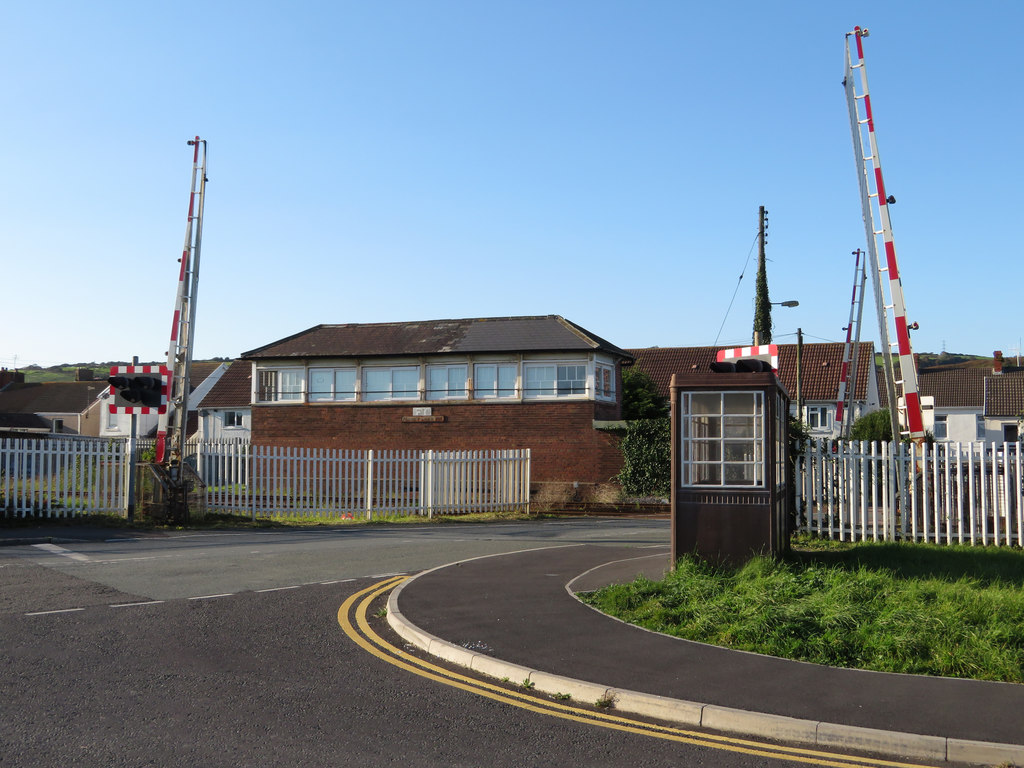
(Image: Geograph / Gareth James)
Opened in 1907 as Pembrey East Box, this was once the beating heart of a complex railway system around Burry Port harbour. Lines from the Gwendraeth Valley Railway, Brunel’s Great Western main line, Cwm Capel Colliery and later Carmarthen Bay Power Station all converged here.
Originally fitted with 31 levers, the box was enlarged in 1947 to handle coal traffic for the power station, with an 83‑lever frame installed. At its peak, Pembrey controlled the movement of up to 140,000 tons of coal each year.
Over its 116 years of service, the box witnessed wartime signalwomen struggling with heavy levers, and even a serious accident in 1953 when an oil train derailed and tankers crashed into the building.
Despite its heritage value, attempts by the Pembrey and Burry Port Heritage Group to secure listed status were rejected by CADW, which judged the box altered and not among the best surviving examples of its type. With no operational role left, demolition now awaits.
Kidwelly Signal Box
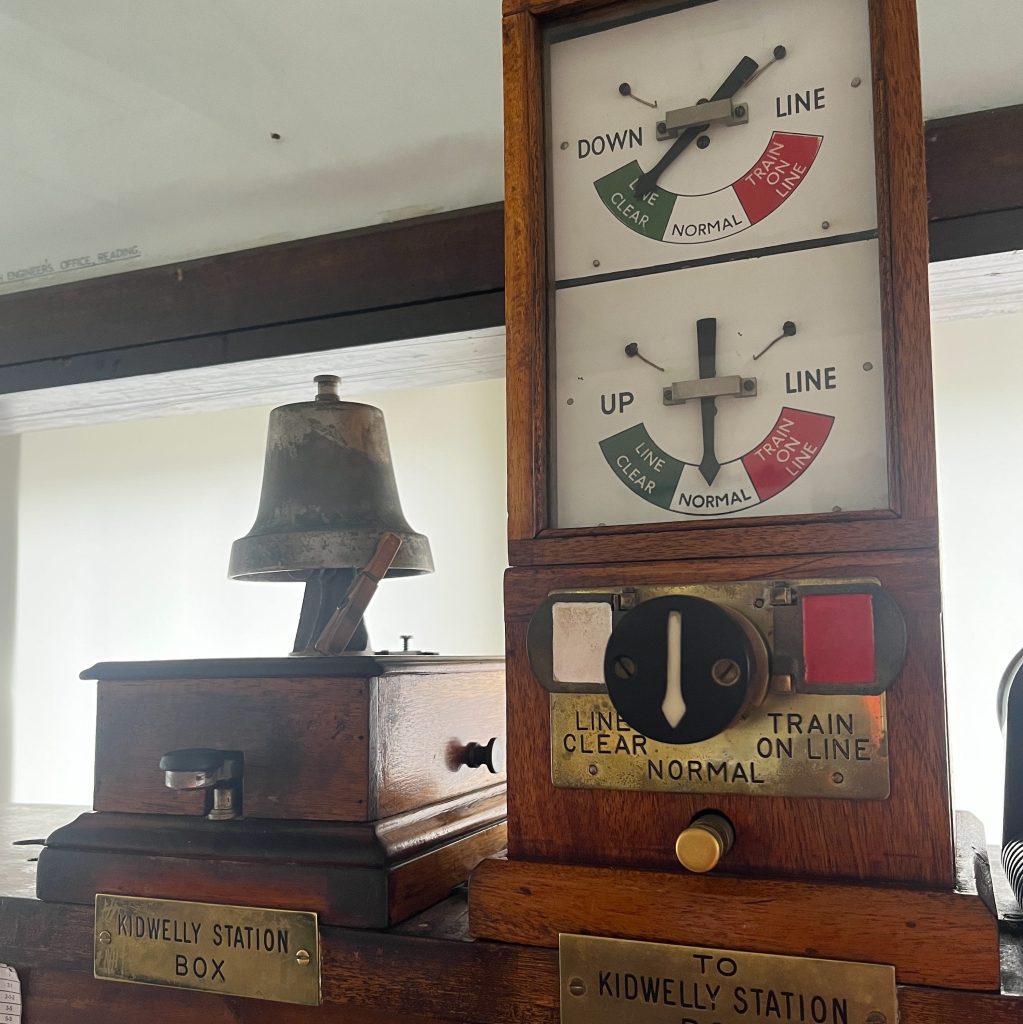
(Image: Network Rail)
Kidwelly’s box dates back to 1885, though its age is disguised by a 1950s rebuild of the upper portion.
The original Great Western lever frame was removed in 1983 and replaced by a small panel, but the box continued to operate under the Absolute Block system with its neighbours at Pembrey and Ferryside.
After more than a century of service, Kidwelly has now been retired and will be demolished.
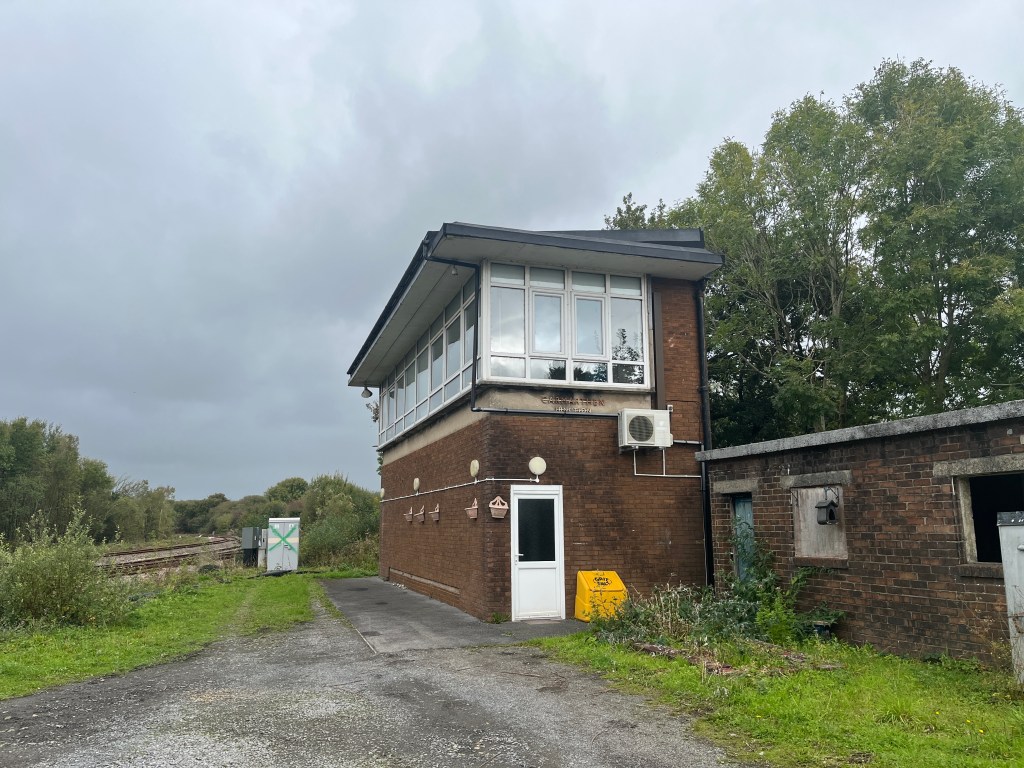
Carmarthen Junction Signal Box
(Image: Network Rail)
Constructed in 1956, Carmarthen Junction once controlled the area with a 78‑lever frame.
Today only a small panel remains in use, but the building will be retained for storage and may be repurposed as a training facility for future signallers. Unlike its neighbours, Carmarthen Junction will continue to serve a purpose, albeit in a different role.
Ferryside Signal Box
(Image: Network Rail)
(Image: Network Rail)
(Image: Network Rail)
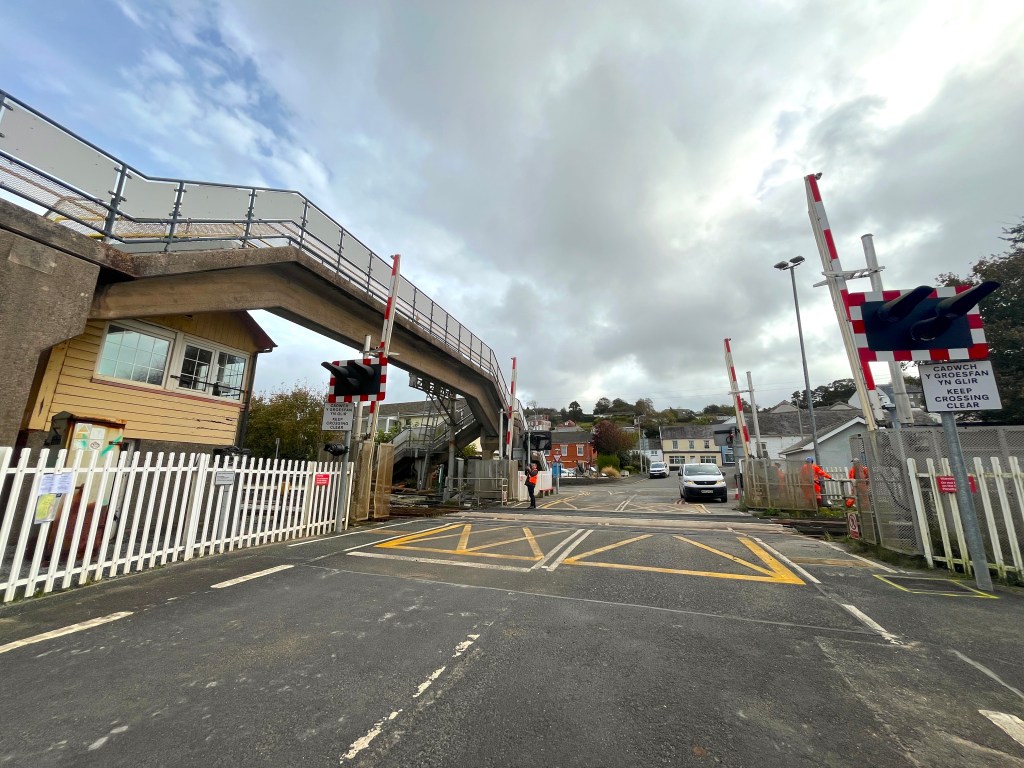
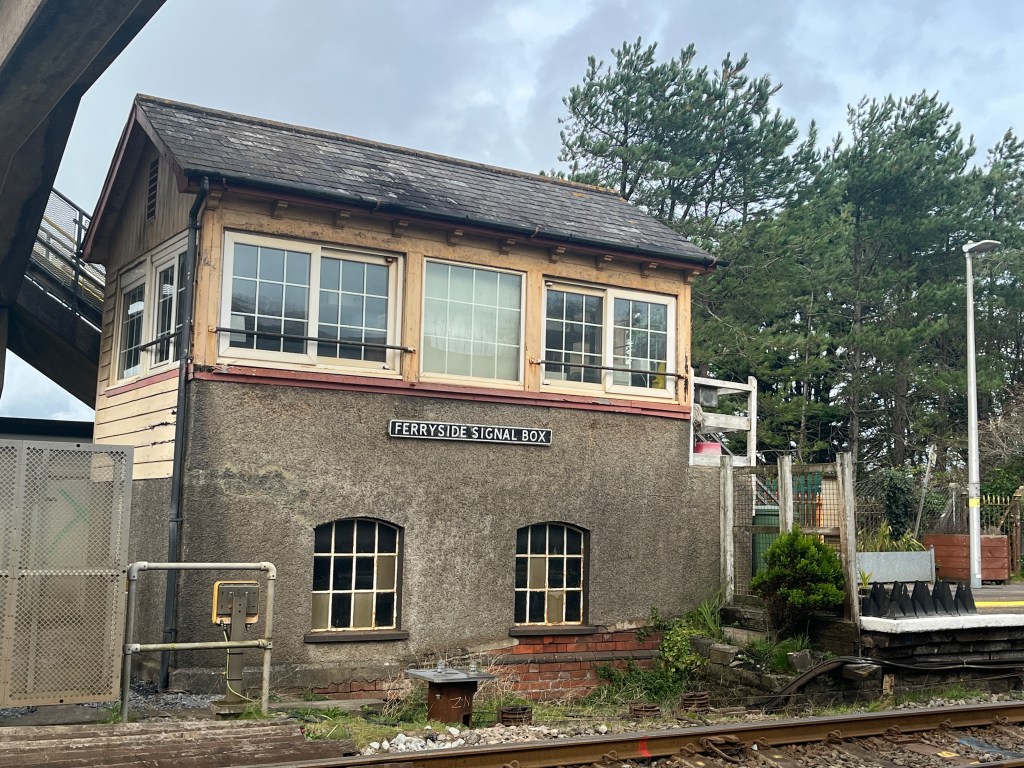
Ferryside is believed to date from before 1884 and is the standout survivor. Now Grade II‑listed, it retains a smart Great Western double‑twist frame of 24 levers, along with 1947‑style block instruments and bells used to communicate with adjacent boxes.
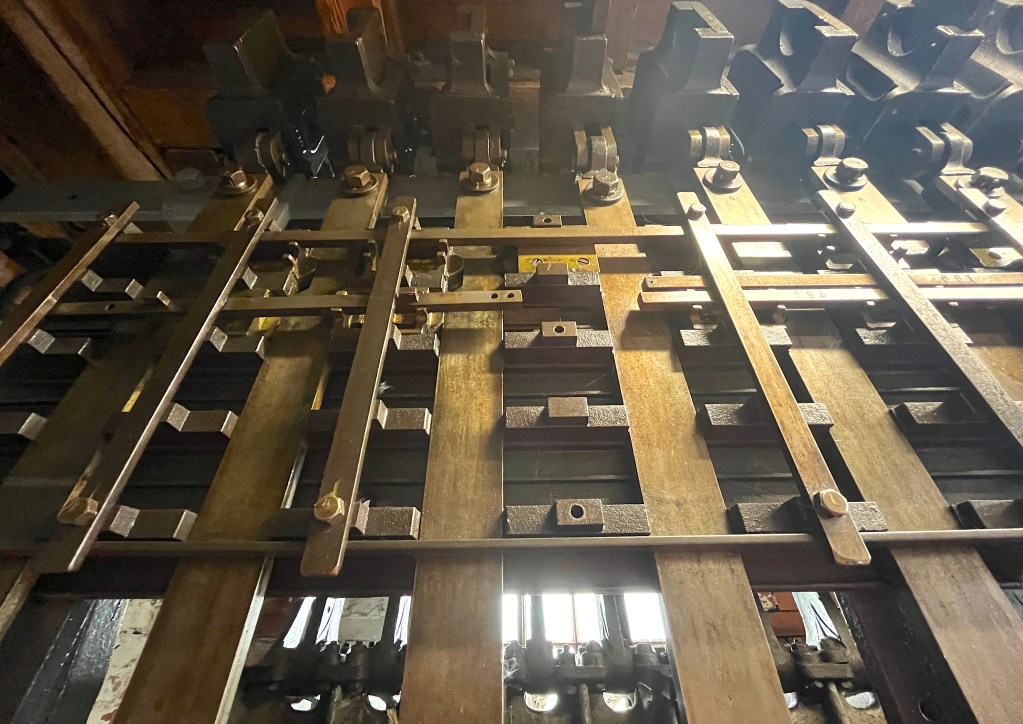
Beneath the operating floor lies the interlocking — a mechanical computer of sliding metal bars and notches that physically prevents conflicting routes being set. The original double‑twist locking was replaced by standard tappet locking as recently as 1996, showing how the box evolved while retaining its Victorian character.
Even the wire adjusters, used to compensate for weather‑related changes in tension on long runs of signal wire, remain in place. Thanks to its protected status, Ferryside is being adopted by the Ferryside Signal Box Preservation Society, a community group working to safeguard the building and its equipment for future generations.
Preserving history while modernising
A Network Rail spokesperson said:
“As much as possible of the old signalling equipment will be recycled and used across other parts of the network. Ferryside is in the process of being adopted by a community group, while Carmarthen will continue to serve a purpose for training.”
Looking ahead
The signalling upgrade is designed to reduce delays and improve safety, with new level crossing systems and barriers installed at several sites. Further line closures are planned on Sundays 16 and 23 November to complete the final stages of the project.
Project Manager Scott Beech added:
“By centralising control and upgrading our signalling infrastructure, we’re not only improving reliability but also laying the groundwork for a safer and more responsive railway system that better serves our communities.”

Discover more from Swansea Bay News
Subscribe to get the latest posts sent to your email.