


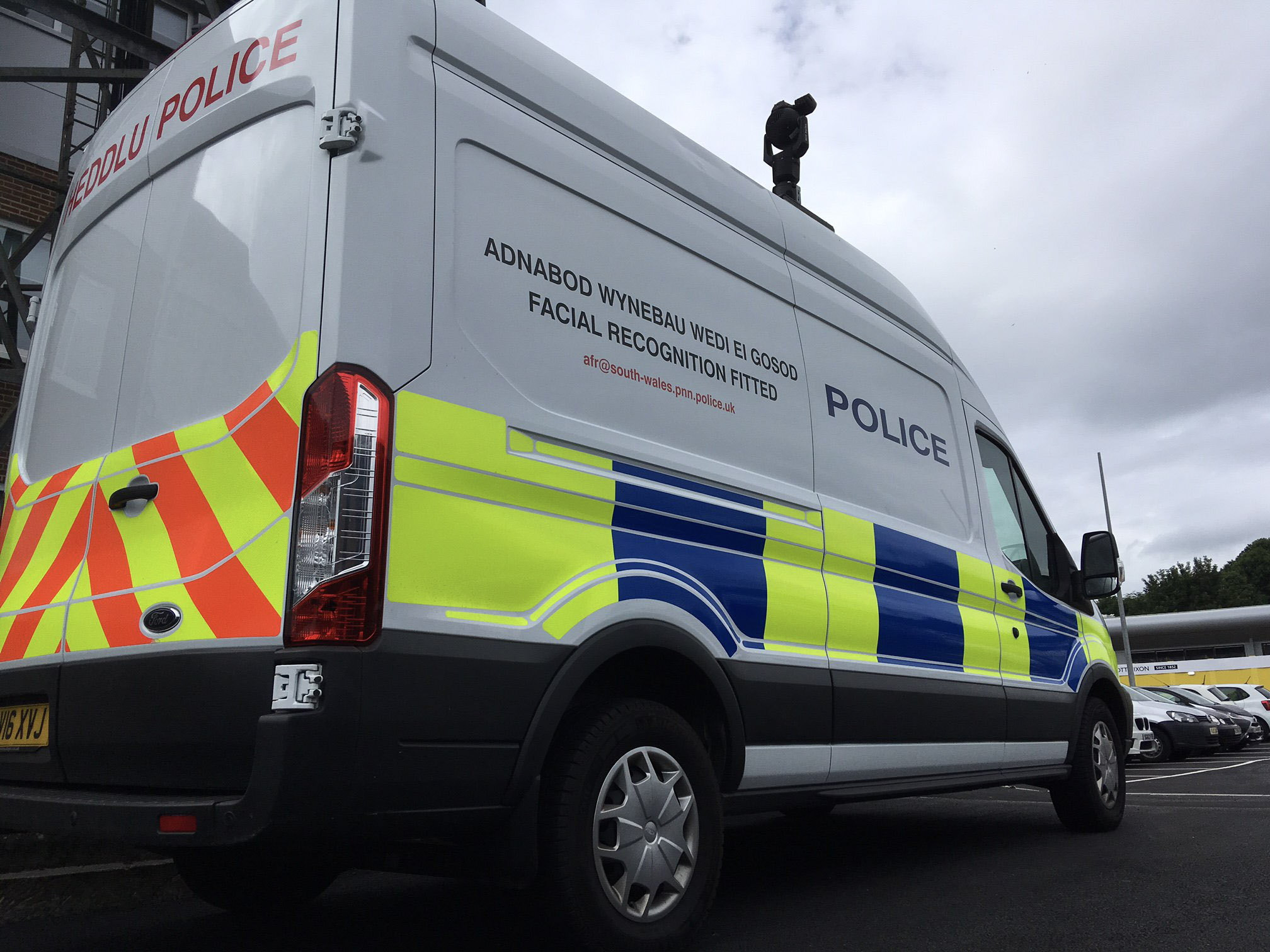
South Wales Police have confirmed that Live Facial Recognition (LFR) technology will be deployed across Swansea city centre on Friday, September 26. The force says the system will help officers identify wanted individuals and high‑risk missing people as part of ongoing public safety measures.
Marked vehicles and signage will highlight the areas where cameras are in use, and officers will be available to answer questions or provide demonstrations.
Before each deployment, police compile a watchlist of individuals who are either wanted by the courts, suspected of offences, or considered at risk of harm. Cameras then scan faces in real time and compare them against the watchlist. If a possible match is flagged, an officer makes a visual check before deciding whether to approach the person.
South Wales Police stressed that anyone not on the watchlist cannot be identified. Images of people who do not trigger an alert are deleted immediately, while alerts are wiped within 24 hours. CCTV footage used by the system is retained for 31 days.
How the technology works in Swansea
The LFR system uses cameras to scan faces in real time and compare them against a police watchlist. Officers then decide whether to engage with anyone flagged by the system.
Police say the technology is used to locate suspects, wanted people and vulnerable missing individuals. They emphasise that images of people not on the watchlist are never stored.
Why South Wales Police say it’s needed
South Wales Police have been one of the UK’s leading adopters of facial recognition technology, deploying it at major events and in busy town centres. Earlier this year, the force confirmed similar operations in Bridgend and during Operation Sceptre week in Swansea.
The technology is part of a wider rollout that includes a mobile facial recognition app for frontline officers in South Wales and Gwent. Known as Operator Initiated Facial Recognition (OIFR), the app has already led to arrests and the identification of missing people.
What campaigners are warning about
An audit by the Information Commissioner’s Office (ICO) earlier this year gave South Wales Police’s use of both live and retrospective facial recognition a “high” assurance rating, citing strong safeguards and oversight. The watchdog found no evidence of bias across age, gender or ethnicity.
However, campaigners remain sceptical. Groups such as Big Brother Watch argue that live facial recognition represents a “significant expansion of the surveillance state” and risks treating “every passer‑by as a walking barcode.” Critics also point out that there is still no dedicated law governing police use of the technology.
What happens next
The force has encouraged anyone with questions or concerns to speak directly to officers during Friday’s deployment. Information leaflets will also be available, and further details about how the technology works can be found on the South Wales Police website.

Discover more from Swansea Bay News
Subscribe to get the latest posts sent to your email.