

Swansea could be about to undergo its biggest city centre shake‑up in a decade — with a new transport hub, a revamped market, and even a cultural quarter all on the table.
The draft Swansea City Centre Placemaking Plan, presented to councillors this week, sets out how the city centre and waterfront could be transformed over the next 8–10 years. It replaces the 2016 regeneration framework and covers everything from the Civic Centre site to the top of High Street.
A city carved into five zones
The plan doesn’t treat the city centre as one lump of concrete and shops — instead, it breaks it down into five distinct “Action Areas,” each with its own character and proposals:
- The Core: The beating heart of Swansea, where retail, leisure and nightlife collide. Here the council wants to reinforce a thriving shopping district, breathe new life into the Oxford Street arcades, and make Swansea Market a destination in its own right.
- City Waterfront: Stretching from the Marina to the Civic Centre, this is about reconnecting Swansea to its seafront. Expect talk of new public squares, leisure attractions, and even an aquarium as part of the Civic Centre redevelopment.
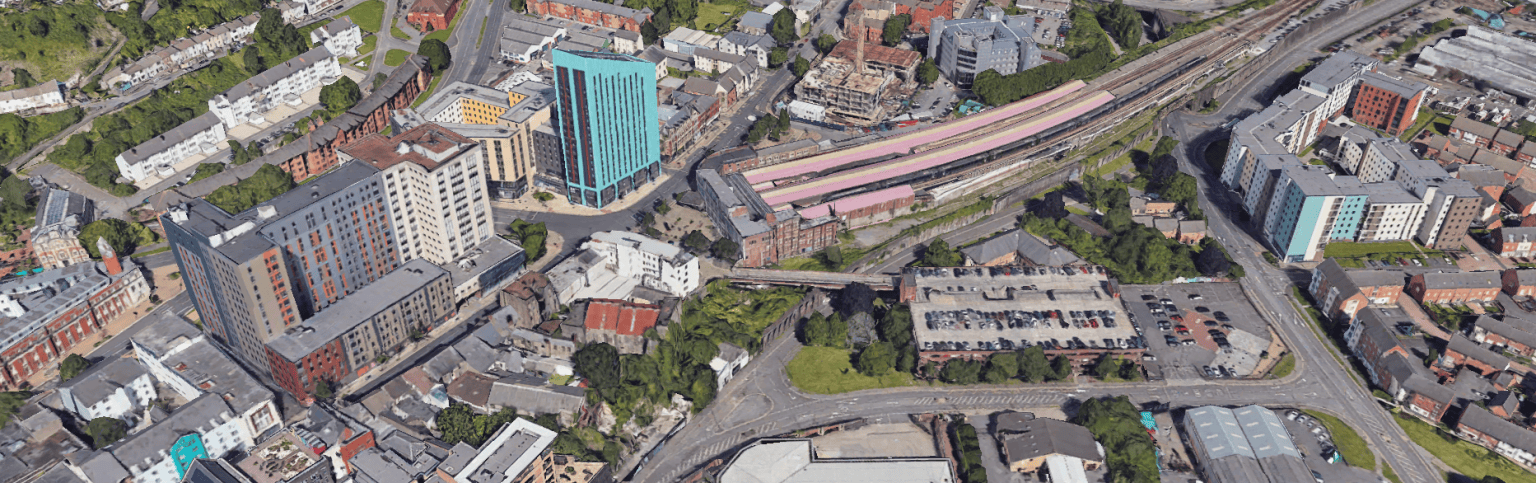
- Tawe Waterfront: Across the river, the old St Thomas railway station site is earmarked for housing, commercial space and community facilities — a new neighbourhood rising from the tracks.
- City North: St Helen’s Road and its surroundings are seen as a gateway, with plans to improve connections and make the area more welcoming for residents and visitors.
- Upper High Street/Dyfatty: The northern gateway, where the High Street station plaza could be transformed into a proper arrival point, linking seamlessly to a proposed transport hub at The Strand.

The big ideas
At the centre of the plan is a new transport hub on The Strand, just a stone’s throw from the railway station and facing the River Tawe. Councillors were told this could become the city’s main interchange, making it easier to move between trains, buses, and active travel routes.
Other “indicative concept” schemes include:
- A facelift for Swansea Market, with better links to the Quadrant and surrounding streets.
- Revitalised shopping arcades off Oxford Street.
- Greener, safer public spaces with more trees, street furniture and public art.
- A potential Cultural Quarter, celebrating Swansea’s identity and drawing visitors in with events, galleries and creative spaces.
Related coverage: Strand arches proposals

New images show how Swansea’s Strand arches could be transformed
Council proposals to revitalise the historic arches as part of wider regeneration, reconnecting the city centre with the River Tawe and creating new public spaces.
Councillors weigh in
At the scrutiny meeting, Cllr Michael Locke pressed for updates on the Civic Centre site, while regeneration team leader Gail Evans confirmed initial designs were ready and a report could follow in the new year.
Cllr Will Thomas praised the new central hub Y Storfa, which opened recently on Oxford Street, and asked if more city centre buildings could be repurposed for education and sport to drive footfall. Panel convenor Cllr Chris Holley warned that commercial viability remains a challenge, with many schemes needing public sector “gap funding” to stack up. He called for a workshop for all elected members, describing the plan as covering “a huge area.”
Council leader Rob Stewart said Swansea was “a different city” compared to 2016 and that it was time to refresh the plan.
What happens next
The draft placemaking plan will go before Cabinet in February 2026, followed by public engagement in March. Adoption as council policy is expected later in 2026, setting the stage for a decade of regeneration.

Discover more from Swansea Bay News
Subscribe to get the latest posts sent to your email.






Does this mean more traffic disruption? Swansea can’t cope with the amount of traffic/people already. I think Swansea council needs to concentrate on the basics first. The infrastructure and repairing the roads come first as they are in a terrible state before they start adding more that they can’t afford to maintain. Swansea used to be a lovely place to live now it’s a complete shambles!