Care Forum Wales (CFW), which represents more than 400 care homes and home‑care providers, says older people with identical needs are being treated differently depending on where they live — with funding gaps of up to £20,000 a year between health boards and £13,000 between councils.
The organisation has launched a hard‑hitting manifesto ahead of the 2026 Senedd elections, calling for an end to what it describes as a postcode lottery that forces families to “pay twice” for essential support.
CFW says national guidance is being ignored, leaving some care homes unable to cover basic costs and pushing families into paying third‑party “top‑up fees” simply to secure the care their loved ones need. Providers warn the system is buckling, with inconsistent assessments, shrinking budgets and the collapse of international recruitment routes driving staff out of the sector.
The pressure is spilling over into the NHS, with hospital beds blocked because community care can’t keep up.
CFW chair Mario Kreft MBE said a generation had been “let down” since devolution. “Two people with the same needs can receive funding that differs vastly depending solely on their postcode,” he said. “That’s not just unfair – it is indefensible. Families are effectively paying twice for care and that is a tax on vulnerability.”
He said Wales already has a national approach to regulation, and that a national fee model would “end the chaos” and finally reflect the true cost of providing care. “Partnership should not just be a slogan,” he added. “Without trust and fairness, the system collapses under its own weight.”
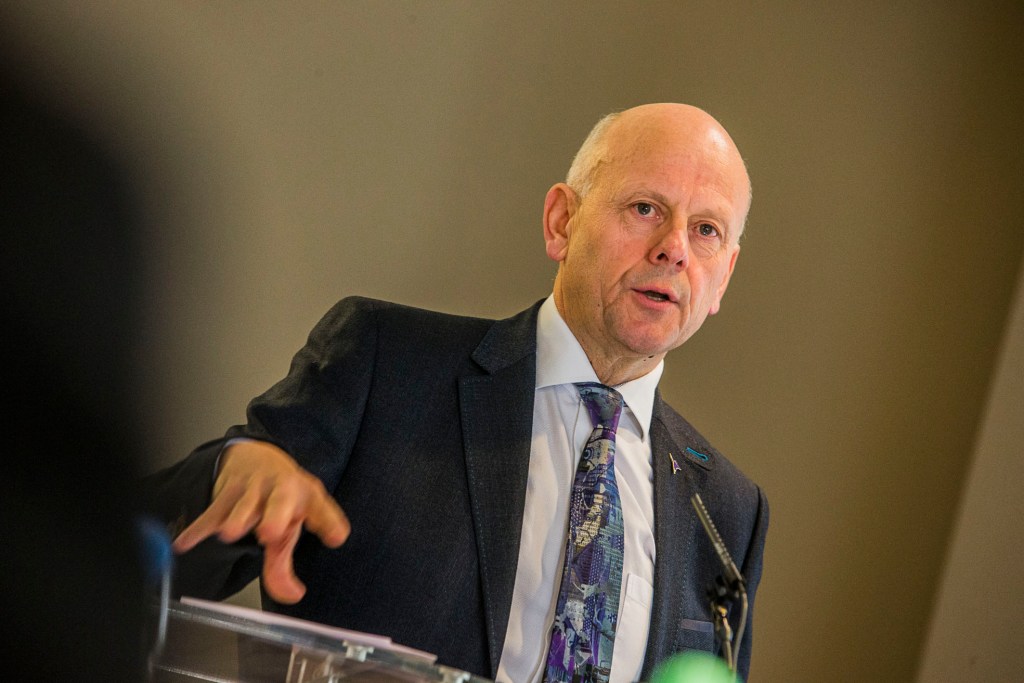
Mr Kreft warned that commitments to pay the Real Living Wage mean little if the money doesn’t reach the frontline. “You cannot pay care workers fairly if the fees themselves don’t cover the basic costs of running the service,” he said.
He echoed comments by former First Minister Mark Drakeford, who described social care as “the scaffolding that holds up the NHS”. When care is underfunded, he said, hospitals overflow, waiting lists grow and outcomes worsen.
Mr Kreft also criticised what he described as “artificial competition” between public bodies and smaller independent homes, saying it drives up costs and reduces choice for families. “Independent providers deliver extraordinary value for money,” he said. “But they cannot operate on fees that fail to meet the true cost of care.”
With Wales having 22 councils and seven health boards — “29 different approaches to funding and commissioning care” — he said the system had become “bureaucratic, inefficient and unfair”.
“This is a pivotal moment,” he said. “If politicians fail to act now, they will be choosing crisis by design. A civilised nation does not balance the books on the backs of the most vulnerable people.”