

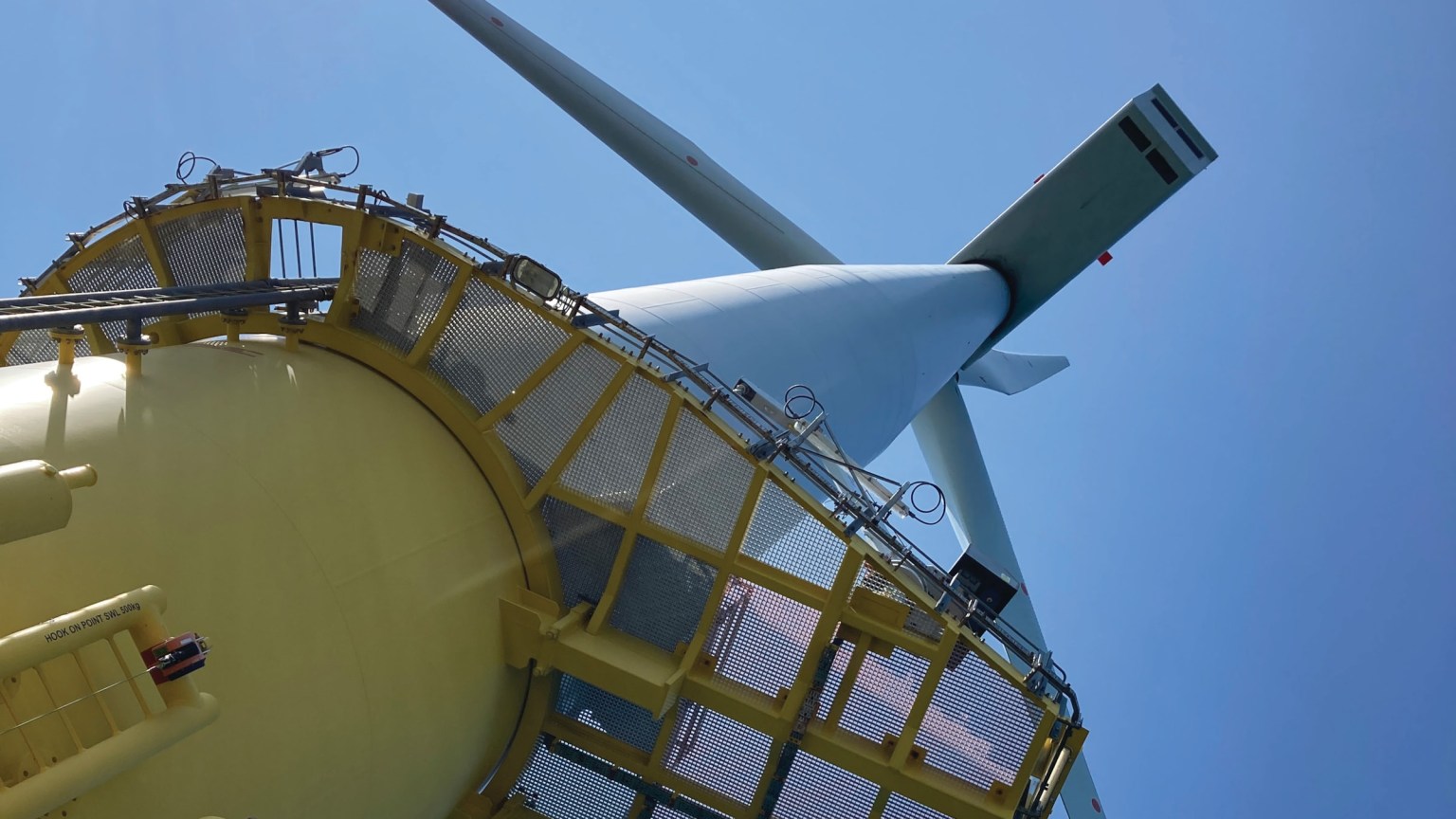
The Welsh Government today (Tuesday 7 October) launches its Ports Prospectus at the Future Energy Wales conference in Newport, setting out how the nation’s coastline and industrial heritage can underpin the UK’s clean energy revolution.
Economy, Energy and Planning Cabinet Secretary Rebecca Evans said offshore wind could create 29,000 jobs, generate £4.5bn for the economy and power more than four million homes across Wales by 2030. Capacity is forecast to exceed 20 gigawatts by 2045.
Swansea and Port Talbot
Associated British Ports (ABP) said its Swansea and Port Talbot sites were “uniquely placed” to support both fixed‑bottom and floating offshore wind in the Celtic Sea. Ashley Curnow, ABP’s divisional port manager for Wales and the South West, said the ports’ proximity to development areas, large areas of developable land and strong transport links made them ideal to provide the infrastructure and supply chain capability needed.
Milford Haven and Celtic Freeport
At the Port of Milford Haven, chief executive Tom Sawyer said Pembroke Port offered a “prime gateway” to floating offshore wind, boosted by the investment incentives of the Celtic Freeport, which spans Port Talbot and Pembroke Dock. He said the port was ready to support the build‑out of floating offshore wind (FLOW) and anchor a world‑class supply chain in Wales.
Celtic Freeport chief executive Luciana Ciubotariu added:
“The Welsh Ports Prospectus rightly highlights the scale of opportunity for Wales in floating offshore wind, building on the momentum of The Crown Estate’s recent Celtic Sea leasing round. Celtic Freeport is advancing FLOW terminal capacity and supply chain opportunities at Pembroke Dock and Port Talbot.”
National context
The prospectus also highlights opportunities off north Wales, where more than 500 turbines have already been deployed from the Port of Mostyn.
Rebecca Evans said: “Wales stands at the heart of the clean energy transition – with a coastline that delivers natural deep‑water harbours, proximity to major wind lease zones, and an agile, ready‑to‑scale supply chain we represent one of Europe’s most strategic locations for offshore wind development.”
Next steps
The Welsh Government said its Freeports in south west and north Wales provide investors with tax incentives, streamlined customs processes and development‑ready sites, alongside investment in renewable energy skills.
The Ports Prospectus will now be used to showcase Wales’ offer to global investors as the Celtic Sea leasing round gathers pace.

Discover more from Swansea Bay News
Subscribe to get the latest posts sent to your email.






We have the highest electricity bills in the EU because we’re paying huge subsidies to wind farm operators to stop generating. … read that again – we pay them NOT to generate. The Grid cannot accept the input power. Renewable energy installations shouldn’t be built without access to an existing connection infrastructure. There is a backlog of up to 10 years for existing wind farms to be connected.
Please explain further the Grid connection process