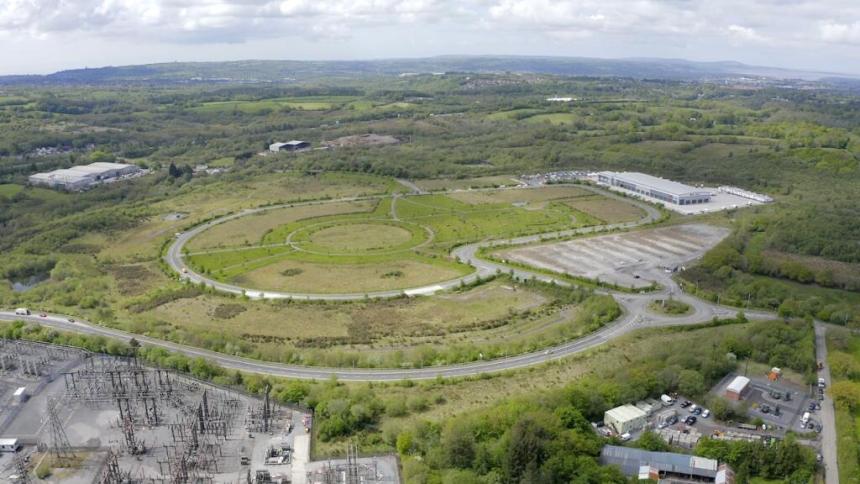
Parc Felindre, the 16-hectare business park north of junction 46 of the M4, sits on the site of the former Felindre Tinplate Works — once part of the industrial machine that made Swansea a powerhouse. The works were decommissioned in 1989 and demolished in 1996.
The brownfield site was cleared and remediated under a joint venture between the council and the Welsh Government, and allocated for offices and industry. Years on, much of it remains undeveloped, and business land is still being actively marketed.
The frustration was laid bare at a meeting of the council’s scrutiny panel this week, in a rare moment of cross-party agreement between the current council leader and one of his predecessors.

Cllr Chris Holley, leader of the official opposition group of Liberal Democrats and Independents, and a former leader of the council, said the site had been “a real let-down to Welsh Government and ourselves”.
He pointed to the scale of public money already sunk into it, noting the works had been demolished and more than £25 million spent preparing the land — only for the bulk of it to remain empty, save for two warehouses and a small development.
Holley said the council needed to think hard about what the site was originally intended to deliver when it was cleared, more than 25 years ago, when the plan had been for factory units under the old Welsh Development Agency.
During his own time as leader, he said, around half a dozen interested parties had come forward to look at the site and set out what they wanted to do with it — but none had ever signed the paperwork to actually build.
Council leader Rob Stewart agreed the site had been a disappointment, and confirmed the authority was still fielding interest — but that none of it had so far proved a good fit.
He said the site’s existing power supply, a legacy of its industrial past, had attracted repeated interest from companies wanting to build data centres of varying sizes.
But Stewart said such proposals carried two problems: they would require a significant reconfiguration of the works already on the site, and data centres “don’t tend to create a huge amount of jobs” — a key consideration for land originally intended to generate employment.
The challenge, he said, was that while there had been genuine interest in doing something with the site, the proposals had not been compatible with either its current configuration or the council’s ambitions for it.
Stewart said he and officers had held fresh discussions with Welsh Government officials about how to “unlock” the site, and that a decision was needed on whether to stick with the original employment-led vision or change track and pursue different uses.
Parc Felindre was one of the major strategic sites earmarked in Swansea’s Local Development Plan — part of a blueprint that promised thousands of new homes and jobs across the city but has been beset by delays.
Alongside the employment land, there are long-standing plans for a brand-new village on adjoining land owned by the Welsh Government.
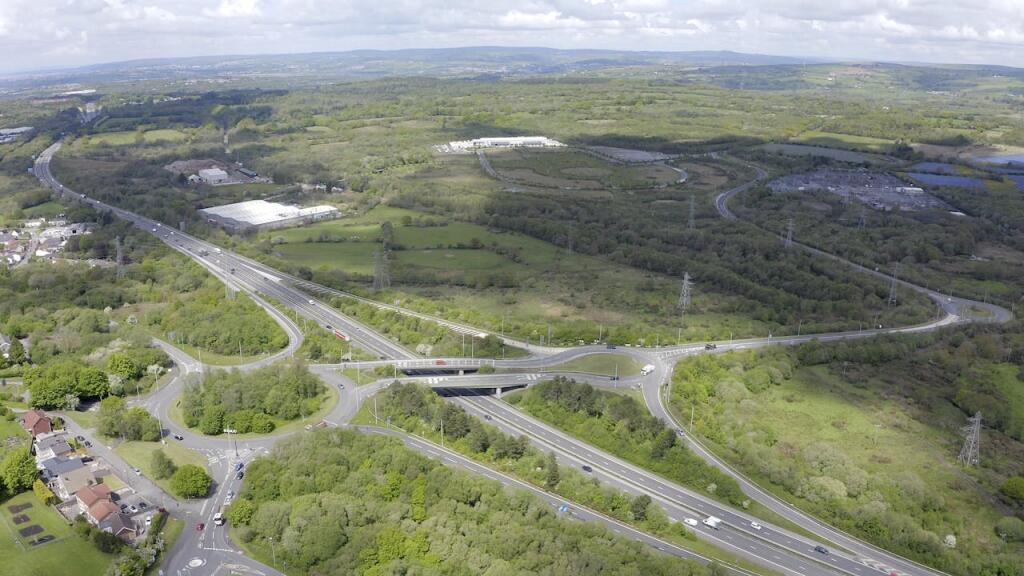
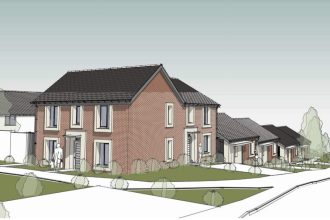
The scheme, Pentre Felindre, was first proposed in 2018 and envisages around 800 homes — a fifth of them affordable — together with a primary school, shops, a village hall and recreation space, built on land next to the business park.
Progress, like that on the employment site beside it, has been slow. But the scheme resurfaced at this week’s meeting, when a panel member asked for an update on the Welsh Government-led housing plan.
The regeneration report before councillors says a proposal for Pentre Felindre has now been put forward by CODI, the housing group formed earlier this year by the merger of Pobl and Linc.
Officers told the meeting that CODI had been asked to update its proposal, after which it would be shared among the joint venture partners behind the site — the council and the Welsh Government.
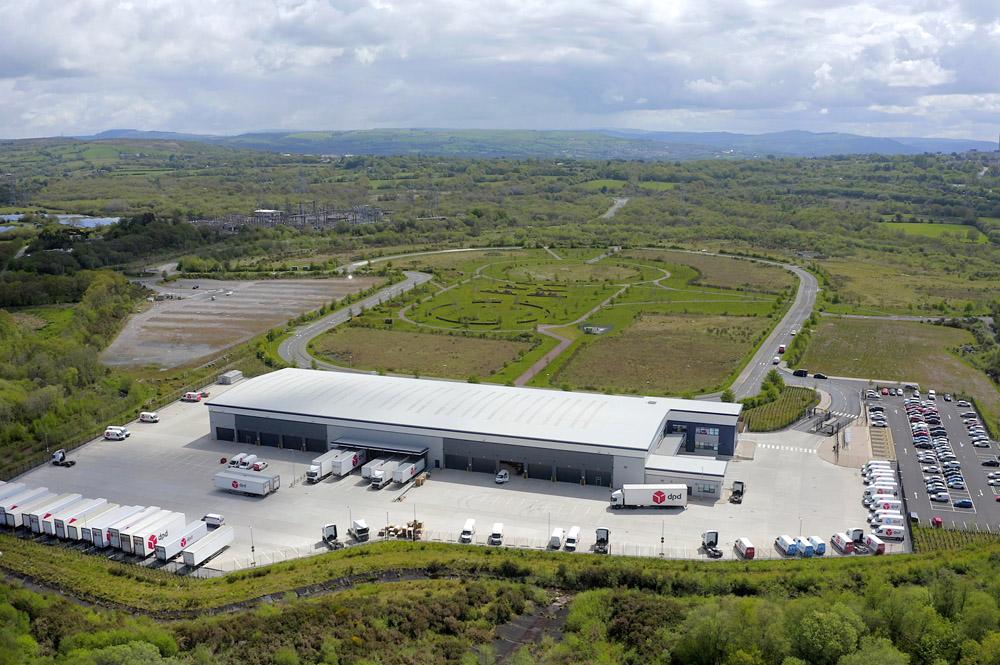
Back on the employment land, there are some signs of activity. The parcel delivery firm DPD became the park’s first occupier, building an automated distribution centre due to open this year.
And the regeneration report says heads of terms have been agreed for the disposal of two further plots — 6B and 7B — for start-up units for small and medium-sized businesses, with the scheme finalised and lawyers instructed.
It is a modest tally for a site that once carried far greater hopes. In the 1970s, the Felindre Tinplate Works employed more than 2,500 people.
For now, though, the bulk of the Felindre site remains what it has been for a quarter of a century — cleared, connected, and largely empty.