

The Gower Peninsula is celebrating a landmark birthday this month – turning 70 as the UK’s very first Area of Outstanding Natural Beauty, a designation that transformed how Britain thinks about protecting its most treasured landscapes.
On 9 May 1956, Gower became the first place in the UK to be officially recognised as an Area of Outstanding Natural Beauty (AONB), setting a precedent that has since led to 46 National Landscapes being protected across the country. Seventy years on, it remains one of Wales’s most visited and most loved destinations.
The peninsula’s appeal is easy to understand. From the award-winning sands of Rhossili and the dramatic limestone cliffs of the south coast to rolling green commons, saltmarshes, hidden coves and charming villages, Gower has been stopping people in their tracks for generations. It is possible to surf in the morning, walk along the Wales Coast Path in the afternoon, and watch the sun set over one of the UK’s most photographed coastlines in the evening.
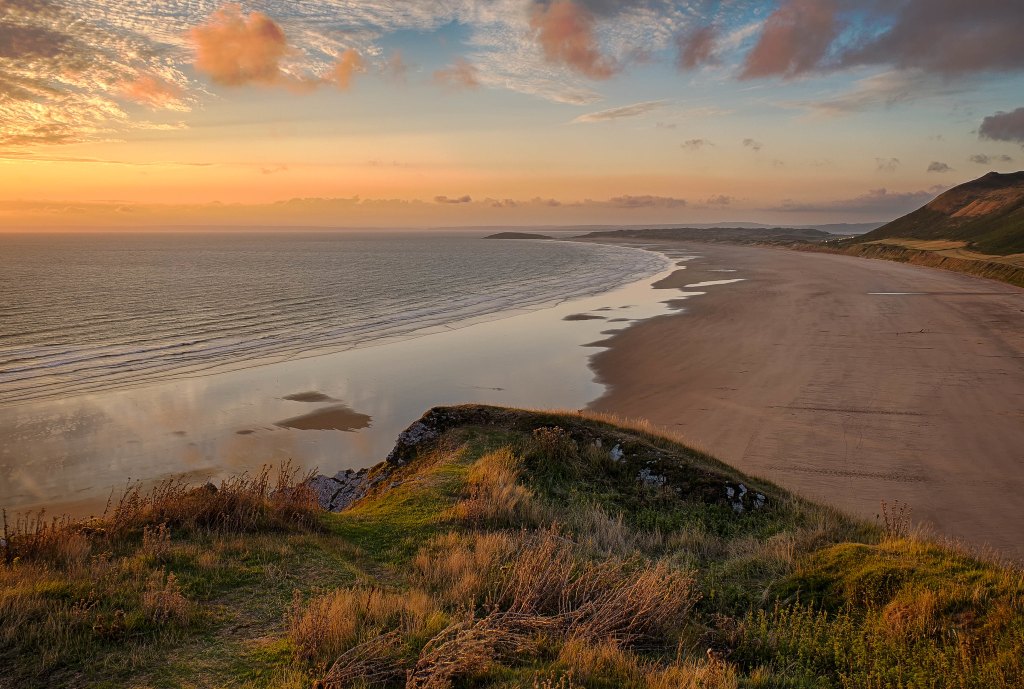
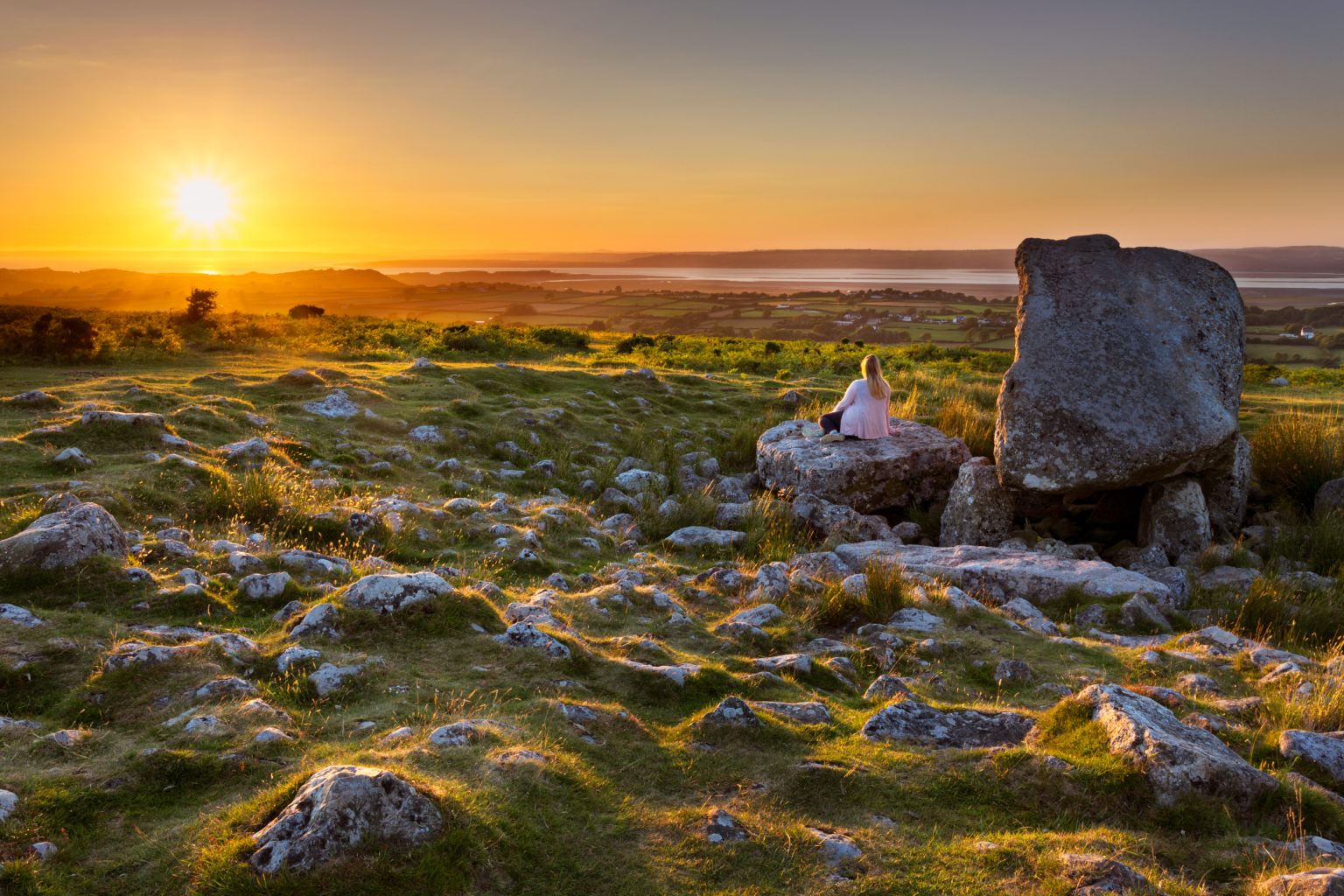
Gower is also steeped in extraordinary history. The peninsula is home to Europe’s oldest known ceremonial human burial site – the Red Lady of Paviland, dating back around 34,000 years – as well as standing stones, shipwrecks, caves, castles and the famous Arthur’s Stone. Few places in Britain pack so much natural and cultural heritage into such a compact area.
More recently, Gower was also designated as one of 46 National Landscapes across the UK, reflecting a modernisation of the way protected landscapes are described. The legal status as an Area of Outstanding Natural Beauty remains unchanged, but the new name signals a broader ambition to connect people with the land and promote sustainable use alongside conservation.
Gower has also become South Wales’s first International Dark Sky Community – a recognition of the quality of its night skies and a sign of how protected landscapes are adapting to modern challenges beyond simply preserving what is there.
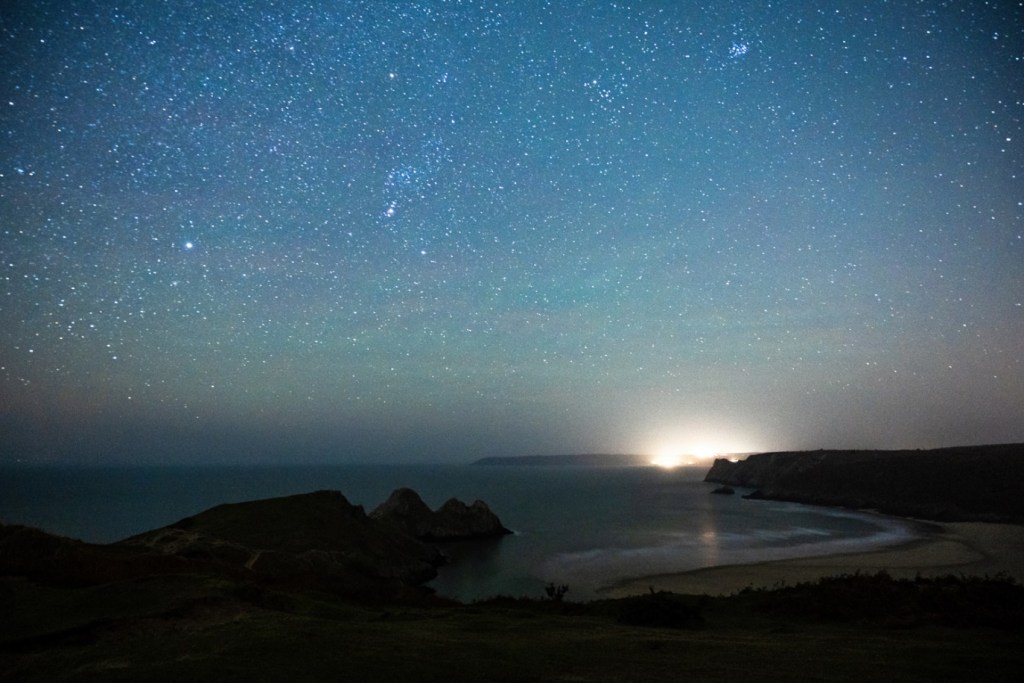
Photo: Visit Swansea Bay
Tracey McNulty, Swansea Council‘s head of service for cultural services, said the anniversary was a chance to celebrate not just the landscape but the people who make it special. “The anniversary is a chance to celebrate not just Gower’s landscapes, but also the people, communities and businesses that help make it such a welcoming place,” she said.
She added that Gower continued to pioneer new approaches to land management. “Gower continues to be a pioneer, becoming South Wales’ first International Dark Sky Community, showing how protected landscapes adapt to modern challenges.”
Swansea Council is encouraging everyone to get involved in the celebrations, whether visiting for the first time or returning to a favourite spot. “We’re welcoming everyone to be part of the celebrations whether you’re discovering Gower for the first time, or coming back to your favourite happy place,” McNulty said. “Explore responsibly, support local businesses and help keep this beautiful corner of South West Wales special for years to come.”
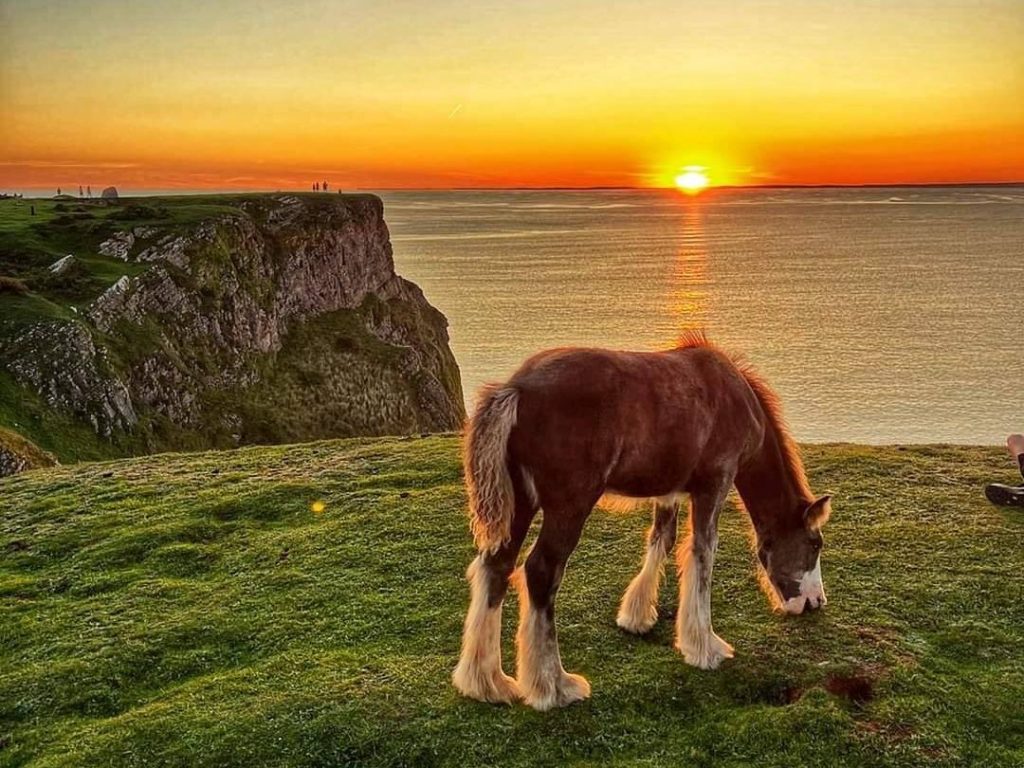
(Image: Robert Morgan)
Gower’s designation in 1956 came at a time when rapid post-war development was threatening some of Britain’s most significant natural areas. The new AONB status gave the peninsula legal protection and established a framework that has since been applied across the UK, from the Cotswolds to the Causeway Coast.
Today the peninsula attracts hundreds of thousands of visitors every year, contributing significantly to Swansea’s tourism economy. The challenge for the next 70 years will be balancing that popularity with the conservation of the very qualities that make Gower so special.

Discover more from Swansea Bay News
Subscribe to get the latest posts sent to your email.