

The writing has been on the wall for a while. Now it looks like it’s almost over for one of the most recognisable names on the British high street.
Halifax — the 173-year-old banking brand that grew from a West Yorkshire building society into a household name — is set to be axed by Lloyds Banking Group as soon as this summer, according to industry insiders cited by The Sun, which first broke the story.
The plan, as reported, is simple and brutal. From 1 July, customers will no longer be able to open new Halifax accounts online or through the app. By October, Halifax stops taking on new customers entirely. After that, millions of existing account holders will be gradually migrated across to Lloyds Bank — and the Halifax name disappears.
Lloyds Banking Group declined to comment on any of that. A spokesperson said: “We regularly look at the role our brands play in supporting our customers. Our banking customers can already use any Lloyds, Halifax or Bank of Scotland branch, and see any of their products and services in any of their apps — there are no changes for our customers today.”
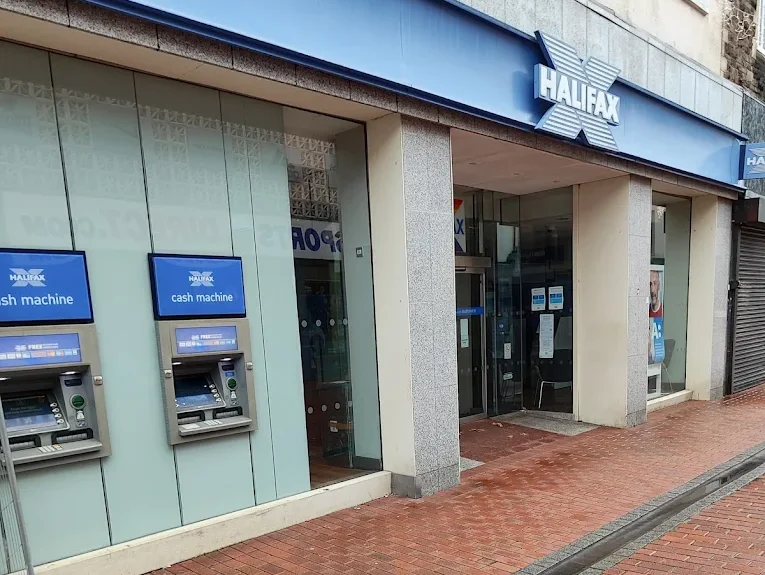
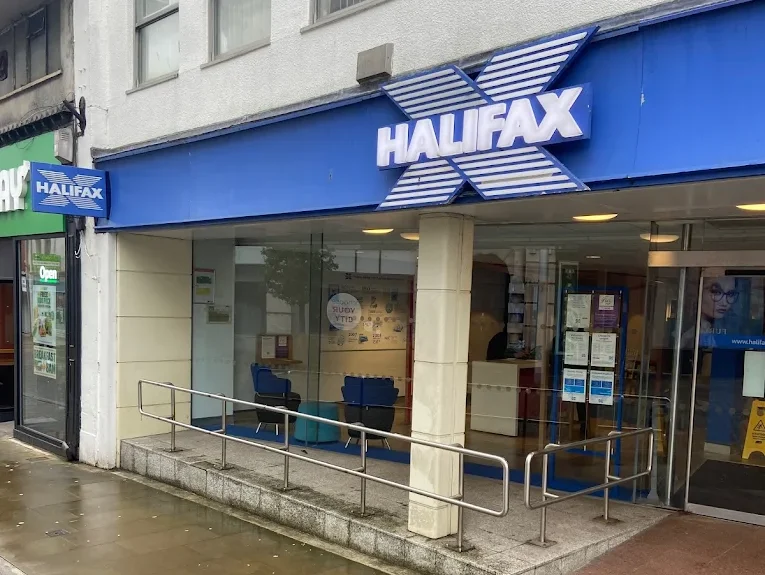
Halifax currently has branches at 22/23 Union Street in Swansea city centre, 31 Queen Street in Neath, and 24/26 Cowell Street in Llanelli.
With the brand disappearing, the Swansea and Neath branches look like candidates for closure — a Lloyds branch already sits just 160 metres from the Halifax on Union Street in Swansea, and another barely 350 yards from the Halifax on Queen Street in Neath.
The case for keeping both open in each town would look thin.
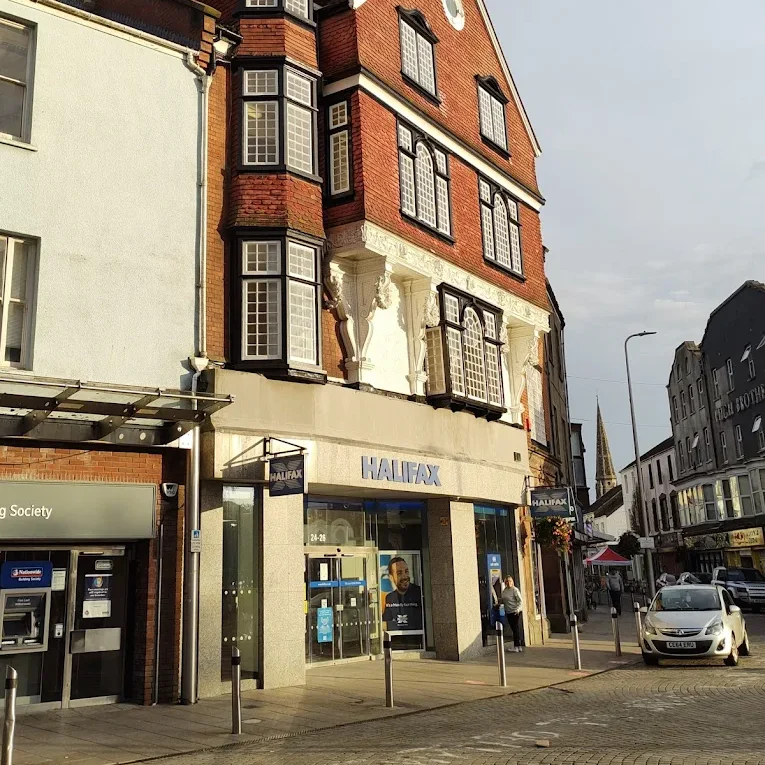
Llanelli may tell a different story. Lloyds closed its own Stepney Street branch there last year — just 130 yards from the Halifax on Cowell Street. With the Halifax now the only Lloyds Banking Group presence in the town, it could see a reprieve and a rebrand, bringing the Lloyds name back to Llanelli.
The picture gets bleaker still when you add in the Lloyds closures already confirmed in the wider area. The Lloyds branch at Beaumont House on Swansea Enterprise Park in Llansamlet closes on 2 July. The Gorseinon branch on High Street closes on 12 October. Lloyds branches in Port Talbot, Carmarthen and on Oxford Street in Swansea city centre remain open for now — but the trajectory is clear.
But this is happening against a backdrop of relentless branch closures that has already left large parts of south-west Wales with far less face-to-face banking than they once had. Lloyds shut its Ammanford and Gorseinon branches earlier this year.
Gorseinon eventually got a banking hub — but Pontardawe was denied one, despite a Senedd member pushing hard for it. And Barclays has shut branches in Morriston and Tenby and in Gorseinon and Port Talbot.
Nationally, Lloyds announced in February that 95 more branches across its three brands would close by March next year — 31 of them Halifax sites. That will leave the group with just 610 branches across the whole of the UK. The BTU union, which represents 17,000 Lloyds staff, called it “the final nail in the coffin of branch banking.”
Killing off Halifax means reversing a public commitment made by Lloyds’ former chief executive António Horta-Osório, who said in 2011: “We will keep the different brands because the customers are very different in terms of attitude.” It also completes what began in 2009, when Lloyds swallowed up HBOS — the group formed when Halifax merged with Bank of Scotland in 2001 — during the financial crisis.
Halifax itself was born in 1852, when a group of men in the West Yorkshire mill town of the same name founded the Halifax Permanent Benefit Building Society. It was a product of the Industrial Revolution — workers flooding into towns needed affordable housing, and Halifax existed to help them get it.
By 1928 it had become the largest building society in the world, with assets of £47 million. In 1997 it converted to a public limited company in the biggest share flotation the UK stock market had ever seen — creating 7.5 million new shareholders overnight.
The brand became genuinely embedded in British culture through a long-running advertising campaign featuring Howard Brown, a real Halifax customer services representative from Birmingham whose singing and dancing appearances made him one of the most recognisable faces on British television.
Despite all of this, Lloyds has recently invested in its Trinity Road office in the town of Halifax in West Yorkshire. The brand may be going. The jobs, at least for now, are staying.
No formal announcement has been made, and Lloyds declined to comment on the reported timeline. But if The Sun’s sources are right, one of the most familiar names in British banking will be gone from the high street before the year is out.

Discover more from Swansea Bay News
Subscribe to get the latest posts sent to your email.