

Drivers across south-west Wales look set to get some relief at the pumps this week, as Chancellor Rachel Reeves prepares to abandon plans to raise fuel duty — a move prompted by soaring costs in the wake of the Iran war.
Reeves is expected to announce on Thursday that she is scrapping a planned 5p-per-litre increase in fuel duty, due to take effect in September. The reversal is expected to cost the Treasury around £2.4 billion.
The 5p cut was originally introduced by the Conservative government in March 2022 when oil prices surged following Russia’s invasion of Ukraine. It has now been frozen for 15 years — with both Conservative and Labour governments repeatedly baulking at restoring the full rate amid fears of a backlash from motorists.
In her November budget, Reeves announced plans to phase out the cut between September 2026 and March 2027. But those plans were thrown into doubt when US and Israeli strikes against Iran began on 28 February, prompting Iran to close the Strait of Hormuz — the critical waterway through which more than a fifth of the world’s oil passes. UK wholesale gas prices rose by around 75% between late February and late March as a result.
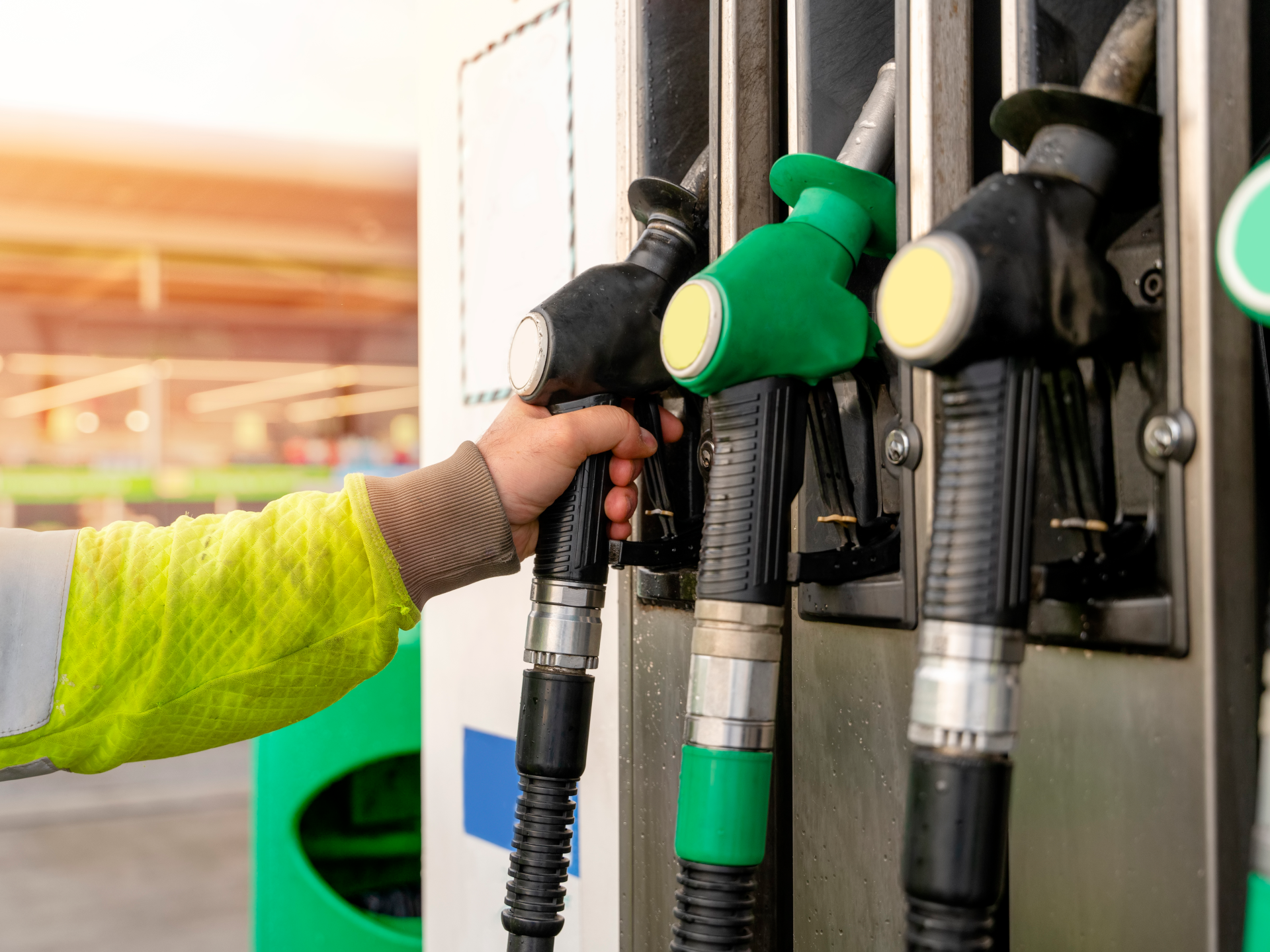
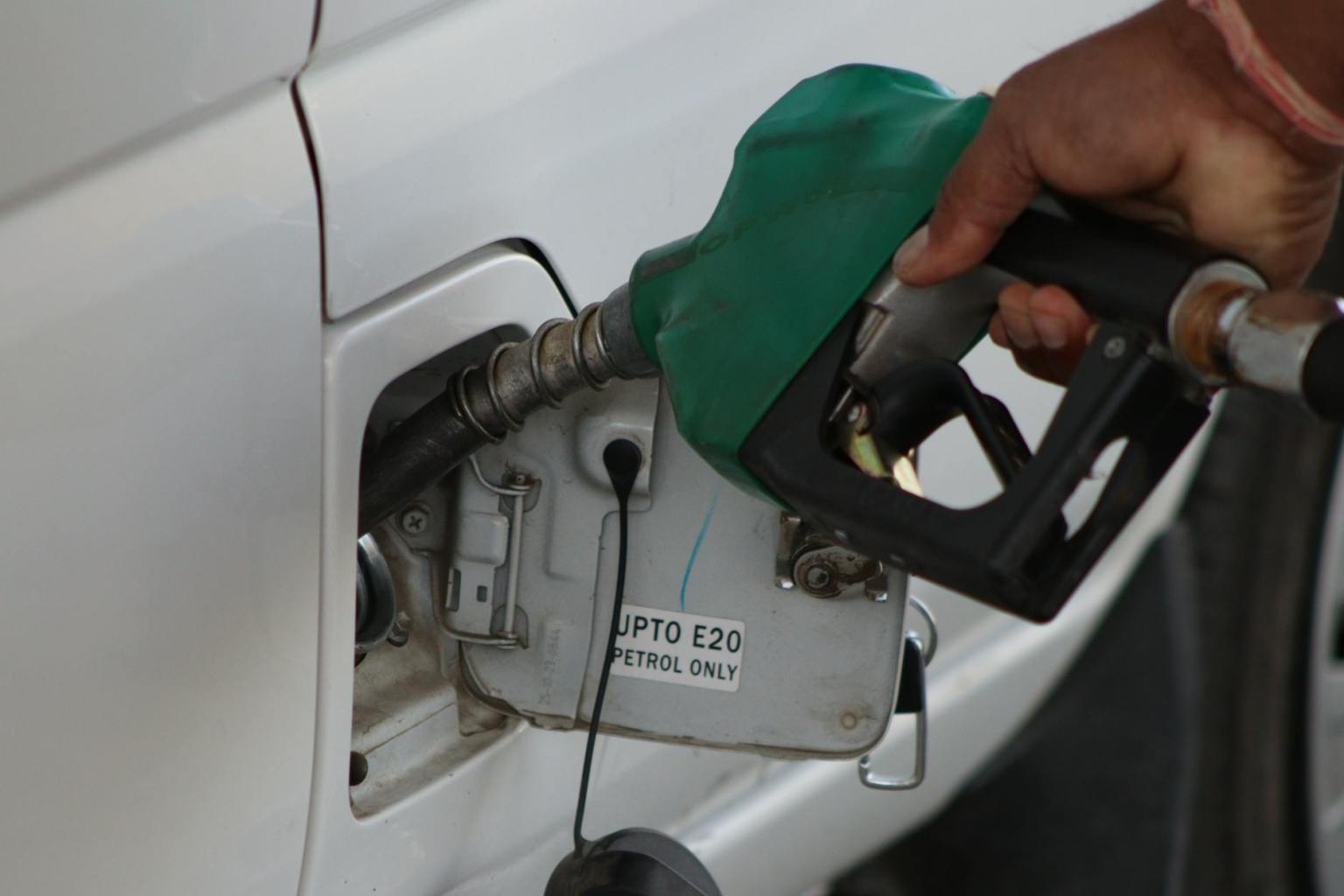
The impact at the pumps has been severe. Before the conflict began, petrol cost 132.9p per litre and diesel 142.4p. Last week, petrol had risen to 158.2p a litre and diesel to 186.8p — increases of more than 25p and 44p respectively.
Fears about fuel rationing emerged in the early weeks of the conflict, with the government confirming emergency plans were in place to prioritise emergency services, utilities and food distribution if supplies were curtailed. Those fears have receded, but ministers have warned the economic impact of the conflict could last at least eight months after the Strait reopens.
The fuel pain has been felt particularly acutely in rural communities. An independent Senedd candidate called for VAT on fuel to be scrapped, arguing that rural Carmarthenshire — where driving is not a choice but a necessity — was being “hit first and hit hardest.” For many residents, there is no realistic public transport alternative.
The conflict has compounded a wider cost of living crisis that was already biting hard before February. Energy bills in south Wales have more than doubled since 2008, with the average domestic electricity bill climbing from £444 to £1,129. The £150 reduction applied to bills in April offered some relief — but analysts warn a 20% Ofgem price cap rise in July will more than wipe it out.
New research published last week found that 40% of people are still too embarrassed or afraid to seek help with bills, even as costs surge. Free face-to-face energy advice events are running this month at Prince Philip Hospital in Llanelli, Glangwili Hospital in Carmarthen, Asda Llanelli and Tesco Ammanford — all from 10am to 1pm and open to customers of any supplier.
Swansea West MP Torsten Bell has argued that Britain must stay out of the Iran conflict while doing everything possible to protect households from the economic fallout — a position echoed by many households already struggling to keep up with the rising cost of everyday life.
The Bank of England has warned that inflation could reach 6.2% at the start of 2027, with food prices rising by as much as 7% this year. It is against that backdrop that Reeves has faced mounting pressure to shelve the fuel duty rise.
Steve Gooding, director of the RAC Foundation, said the decision would bring relief to millions of motorists but cautioned that prices remained near recent highs. “A decision not to raise fuel duty will be a relief for tens of millions of drivers, not least those reliant on diesel who have borne the brunt of the financial pain at the pumps since the end of February,” he said.
The TaxPayers’ Alliance welcomed the move but called on the government to go further. “After months of dither and delay, where families and businesses have been hammered by higher prices at the pump, a break for taxpayers is well overdue,” said chief executive John O’Connell. “The government should go further by committing to freeze fuel duty for the rest of this parliament.”
Car leasing comparison site LeaseLoco also welcomed the announcement. CEO John Wilmot said: “This is good news for motorists at a time when households are continuing to deal with a cost of living crisis and the soaring costs of fuel due to instability in the gulf. But while we welcome this news we would like to see the government go further.”
The fuel duty announcement is expected to form part of a wider cost of living package on Thursday, which will also include a targeted intervention on energy bills for low-income households in the autumn. It comes amid turbulence for the Labour government more broadly, with Sir Keir Starmer facing questions about his leadership following last week’s local election results.

Discover more from Swansea Bay News
Subscribe to get the latest posts sent to your email.