A rare Welsh landscape split in two for almost 60 years is about to be made whole again.
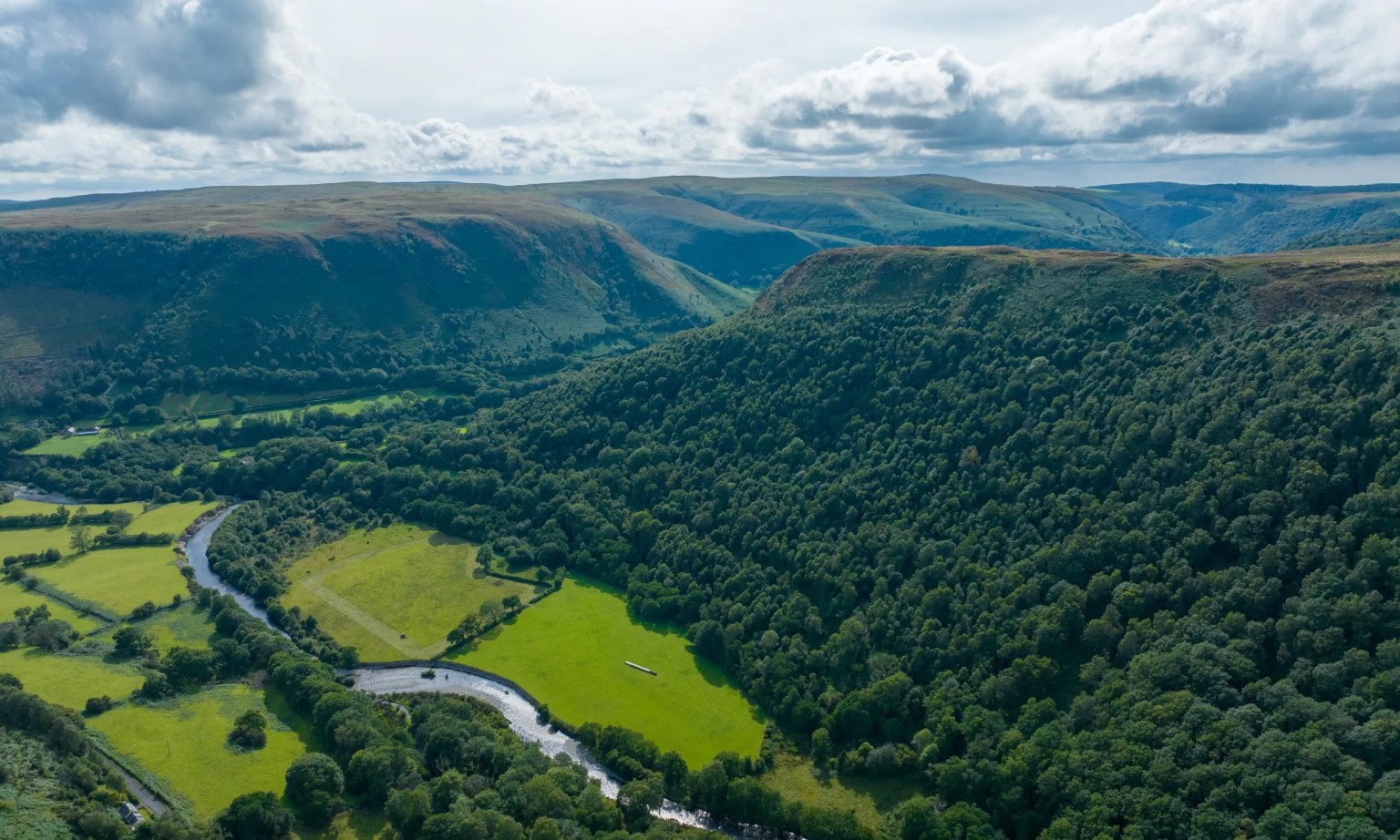
RSPB Cymru has bought Gallt-y-bere, a 96-hectare stretch of ancient woodland, upland and peat bog on the banks of the River Tywi in Carmarthenshire, and calls it the “vital missing link” in one of Wales’s most important wildlife sites.
The land sits between the two separate halves of the charity’s Gwenffrwd-Dinas nature reserve, in the remote Elenydd uplands — and buying it means the reserve can be managed as one connected landscape for the first time since the 1960s.
That reconnection matters more than it might sound. For decades the wildlife of each half has been marooned in its own pocket; joined up, the habitats can support stronger, more diverse and more resilient populations that move freely across the whole reserve.
The site is a patchwork of internationally important habitats, including rare Atlantic oak woodland — better known as Celtic rainforest, for the damp, mild, lichen-hung conditions it shares with far wetter parts of the world.
There is ancient woodland too, along with peat bog and ffridd, the scrubby upland-fringe habitat that sits between farmed lowland and open mountain.
Gallt-y-bere is already a stronghold for the pied flycatcher, a summer migrant that thrives in Welsh oak woodland, and a home to cuckoos, wood warblers, whinchats and even pine martens.

Crucially, the enlarged reserve is now big enough to support breeding hen harriers — a red-listed bird of prey occasionally seen over these uplands, but not known to have nested here in recent years.
The RSPB hopes that reconnecting and restoring the land will create the conditions to tempt the harriers to stay and breed, performing their spring “sky dances” high over the hills.
“Gallt-y-bere is a truly magical place, and I’m thrilled that we’re in a position to expand and improve its rare habitats and wildlife,” said Jonathan Cryer, site manager at RSPB Gwenffrwd-Dinas.
“Securing this site is a brilliant opportunity for us to strengthen ancient woodland, restore upland habitats and create the conditions needed for rare wildlife such as hen harrier to flourish in the future.”
The purchase was made possible by a philanthropic loan, followed by what the charity called a “generous” response from thousands of people who gave to its fundraising appeal.
The RSPB has a long history in this corner of Carmarthenshire, having worked at Gwenffrwd-Dinas for more than a century — first supporting the Kite Committee’s efforts to save the red kite when the bird was down to a handful of Welsh pairs, and later buying land to protect it.

Surveys over the summer, funded by Natural Resources Wales, will map the full range of habitats and species on the new land and help shape how it is managed.
The charity says grasslands rich in rare plants — among them whorled caraway and wood bitter-vetch — could be expanded, and that it wants to work with local farming tenants to show how nature recovery and sustainable farming can sit side by side.
In time, RSPB Cymru says, it will work with local communities and partners to restore the newly joined-up landscape and protect it “for generations to come”.

Discover more from Swansea Bay News
Subscribe to get the latest posts sent to your email.