Teachers and school leaders in Wales are set to be offered a 3.5% pay rise from September — less than the independent body reviewing their pay had recommended.
The proposal, which will go out to consultation when schools return after the summer, has drawn immediate criticism from unions who say it undercuts an evidence-based recommendation.
In a written statement, Cabinet Minister for Education and the Welsh Language Anna Brychan MS said she would consult on the 3.5% award for teachers and leaders, and on a higher 5% increase for unqualified teachers.
She also published the report of the Independent Welsh Pay Review Body (IWPRB), which had recommended that all salaries and allowances rise by 4.25% from September 2026.
Brychan said she had decided against that figure on affordability grounds.
“The IWPRB recommendation is not affordable within existing budgets,” she said. “In coming to my decision, I have had to balance the available budget and recognising and rewarding our workforce.”
She said additional funding would go to local authorities and schools to cover the award, and to the education body Medr to maintain pay parity for post-16 staff in schools and colleges.
The minister added that she would also consult on two earlier IWPRB recommendations: a single pay scale so classroom teachers progress and see their pay rise each year, and changes to protect school leaders’ holidays and weekends.
She also committed funding to double the period teachers receive full pay during maternity leave, if local authorities and unions agree to change teachers’ contracts.
But the decision to reject the 4.25% figure drew a sharp response from TUC Cymru.
Its general secretary, Laura Doel, said the government had chosen to “disregard the independent recommendation on teachers’ and leaders’ pay in Wales, citing affordability concerns ahead of the supplementary budget.”
She said the IWPRB recommendation was based on evidence from unions, employers and the previous Welsh Government, and reflected “the complexity, responsibility and value of these roles, as well as the need to recruit and retain the best professionals in our schools.”
Doel argued that ministers had “stepped away from a Wales-led approach and opted to follow England,” warning that paying staff less than an independent review body recommends “sets a worrying precedent.”
She linked the decision to wider pressure on school budgets, singling out funding for Additional Learning Needs. “Chronic underfunding is already placing significant pressure on budgets, particularly through the failure to adequately fund Additional Learning Needs provision,” she said.
Doel said underfunding would not solve the recruitment and retention problems facing schools, and called on the government to “invest properly in both school budgets and the workforce.”
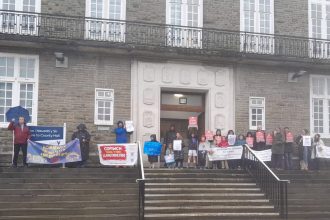
The dispute echoes tensions that led the National Education Union to stage strikes across Wales in 2023 in a previous row over pay.
Concerns about staffing have been building for some time, with one survey warning three years ago that teacher recruitment in Wales was approaching crisis point.
Schools across Swansea, Neath Port Talbot and Carmarthenshire will be watching the autumn consultation closely, with pay and staffing shaping classrooms from Llanelli to the Swansea Valley.
The consultation on the 3.5% award is due to open when the new school term begins in September.

Discover more from Swansea Bay News
Subscribe to get the latest posts sent to your email.