When the redundancy announcement came at Tata Steel, Shaun Young’s first thought was how he would keep supporting his family.
The 47-year-old from Baglan had spent seven years at the Port Talbot plant, rising to senior operator across two sections of the coke ovens.
He was made redundant in October 2024, as Tata wound down its traditional iron and steelmaking operations at Port Talbot.
“When the redundancy announcement came, it was devastating,” he said. “My biggest concern was how I would continue to support my family.”
Less than two years on, Shaun is a QA joint integrity technician — inspecting the bolted joints that keep hazardous industrial sites safe, and working on shutdowns at plants including the Dow Silicones chemicals site at Barry.
His route there ran through a retraining programme that has quietly reshaped the careers of dozens of former steelworkers.
Shaun took up mechanical joint integrity (MJI) training with Zulu Joint Integrity & Training Ltd, a Pencoed-based firm approved to deliver the Engineering Construction Industry Training Board’s (ECITB) qualifications.
The training came through the UK Government-funded Tata Steel transition employability programme, delivered locally by Neath Port Talbot Council — the same kind of scheme that has helped other former Tata workers move into fields as varied as artificial intelligence.
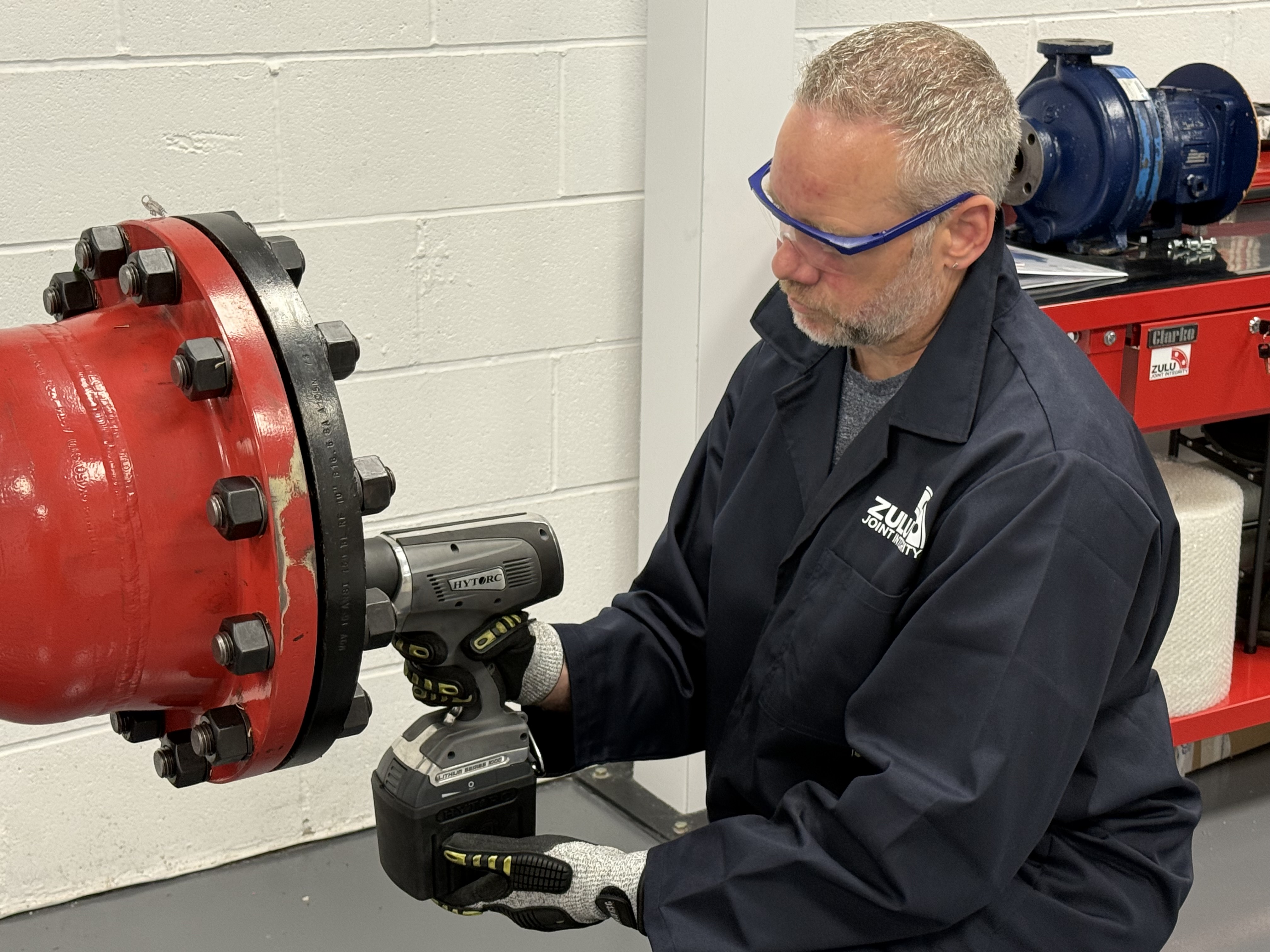
Shaun says job fairs were the turning point. It was there he learned of the funding available for retraining, leading to discussions with employability mentors at the council.
“Within a matter of weeks, I had completed a number of qualifications, obtained my CCNSG Safety Passport and secured a place on Zulu’s mechanical joint integrity programme,” he said.
MJI training is safety-critical work. The ECITB’s four-stage model helps ensure bolted joints are tightened correctly — maintaining structural integrity and minimising leaks that could cause injury or environmental damage.
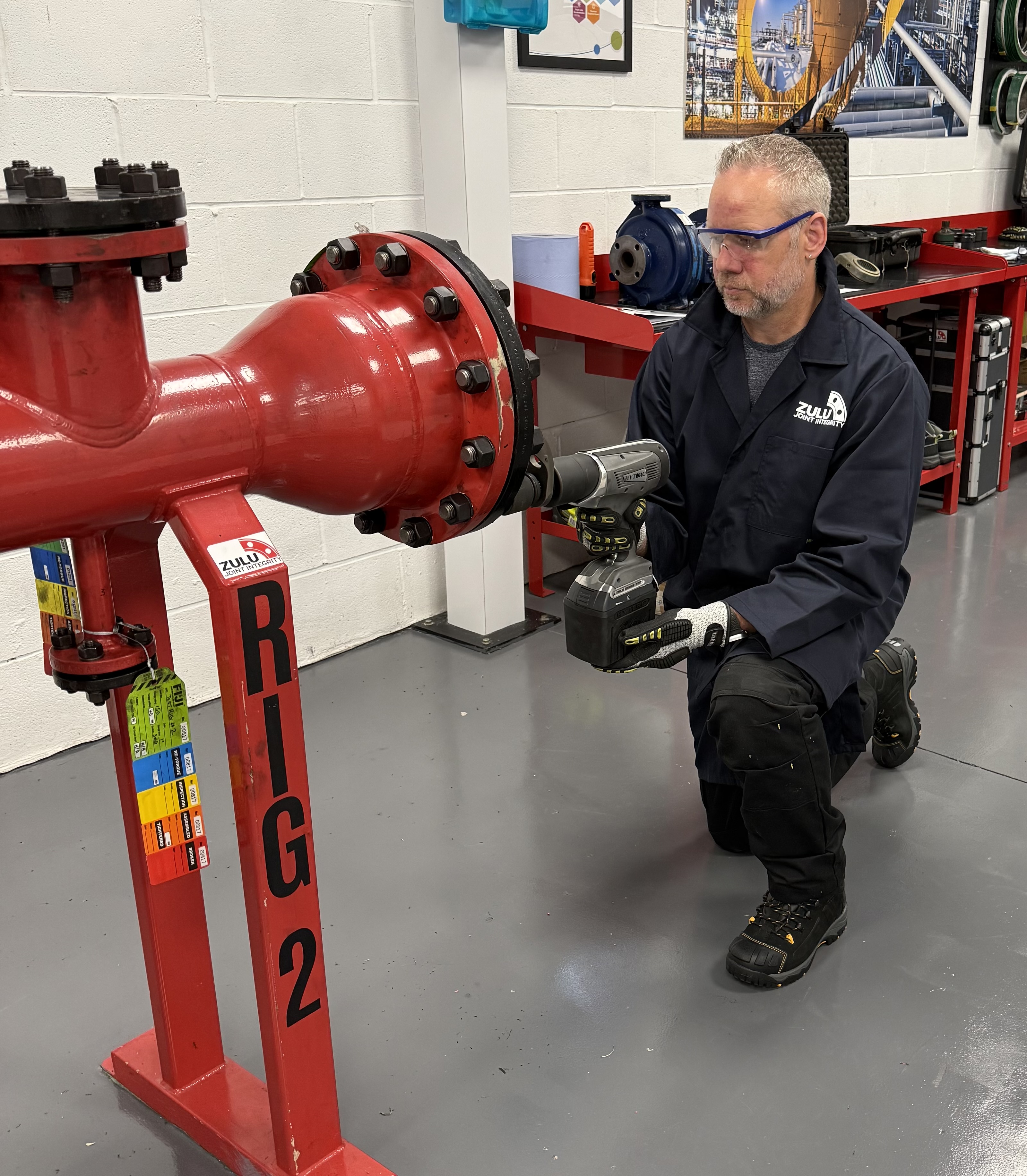
Zulu says it is the only ECITB-approved provider delivering MJI training and testing in Wales, running the courses for former Tata workers from its Pencoed base.
“These courses gave me a much deeper understanding of the importance of correctly assembling bolted joints,” Shaun said. “When carried out incorrectly, failures can result in serious incidents.”
Shaun’s career has been anything but linear. He left school for a roofing apprenticeship, spent 15 years in the trade and ran his own roofing company across South Wales before moving to Tata.
After the MJI training, he worked in welding and fabrication for a year before Zulu took him on as a joint integrity technician in May 2026.
“The role plays an important part in maintaining safety, reliability and compliance within a major industrial environment,” he said.
He says the attention to detail and clear decision-making demanded across his working life have carried over naturally into the new job.
Christopher Mellows, managing director at Zulu, said Shaun had stood out from the start.
“From day one, he stood out as a confident, competent and focused learner with a naturally high standard of workmanship and a genuine passion for doing things right,” he said.
“Shaun’s journey is a reminder of the resilience within our engineering community, particularly in South Wales — and of the real value targeted training can deliver when it’s aligned with industry needs.”
Shaun’s advice to anyone facing the same crossroads is to take stock of the skills they already have.
“Identify how those skills could transfer into another sector,” he said. “This helps ensure that any retraining undertaken is both suitable and worthwhile.”

Discover more from Swansea Bay News
Subscribe to get the latest posts sent to your email.