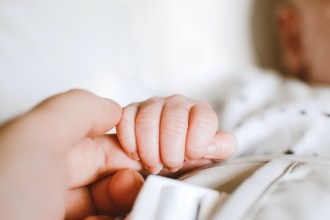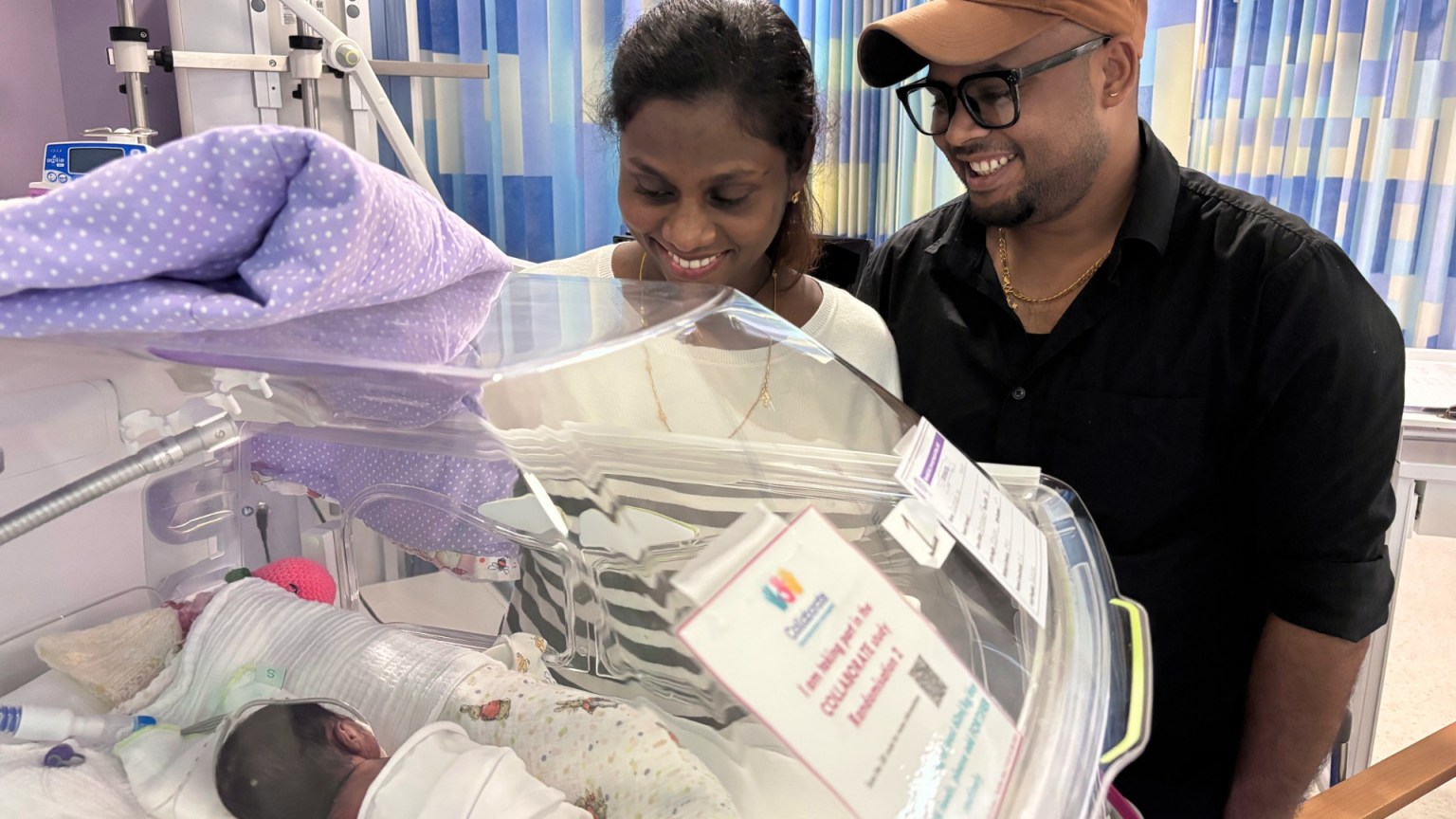
Four tiny babies born 13 weeks early are on their way to Singleton Hospital.
The two girls and two boys are quadruplets, born to a Bridgend couple who were told the news at a routine scan and refused to believe it.
Glenna Alphonse and John Poul Josh became parents earlier this month, after Glenna went into labour at just 27 weeks.
The smallest baby weighed 745g, or 1lb 10oz. The biggest was 1.18kg, or 2lb 10oz.
It took more than 30 clinicians to deliver them at the University Hospital of Wales in Cardiff, a team that took to calling itself the “Quad Squad”.
Cardiff and Vale University Health Board says quadruplets are so rare that only three to five sets are born across the UK in an average year.
John Poul said the first sight of his children wiped out months of worry. “Everything was gone,” he said. “There was only happiness.”
All four have been given names beginning with N, and Glenna said the idea came from the couple’s own names: “The common letter in Glenna and John is N, so we went with N names for the babies.”
Glenna argued with scan staff at the Princess of Wales Hospital
The couple found out during a scan at the Princess of Wales Hospital in Bridgend.
Glenna said: “At first, I argued with them, saying, ‘It’s not quadruplets.’”
She went on: “But they took the scan a couple of times and called in experienced colleagues, and it was true. It gave us a big shock.”
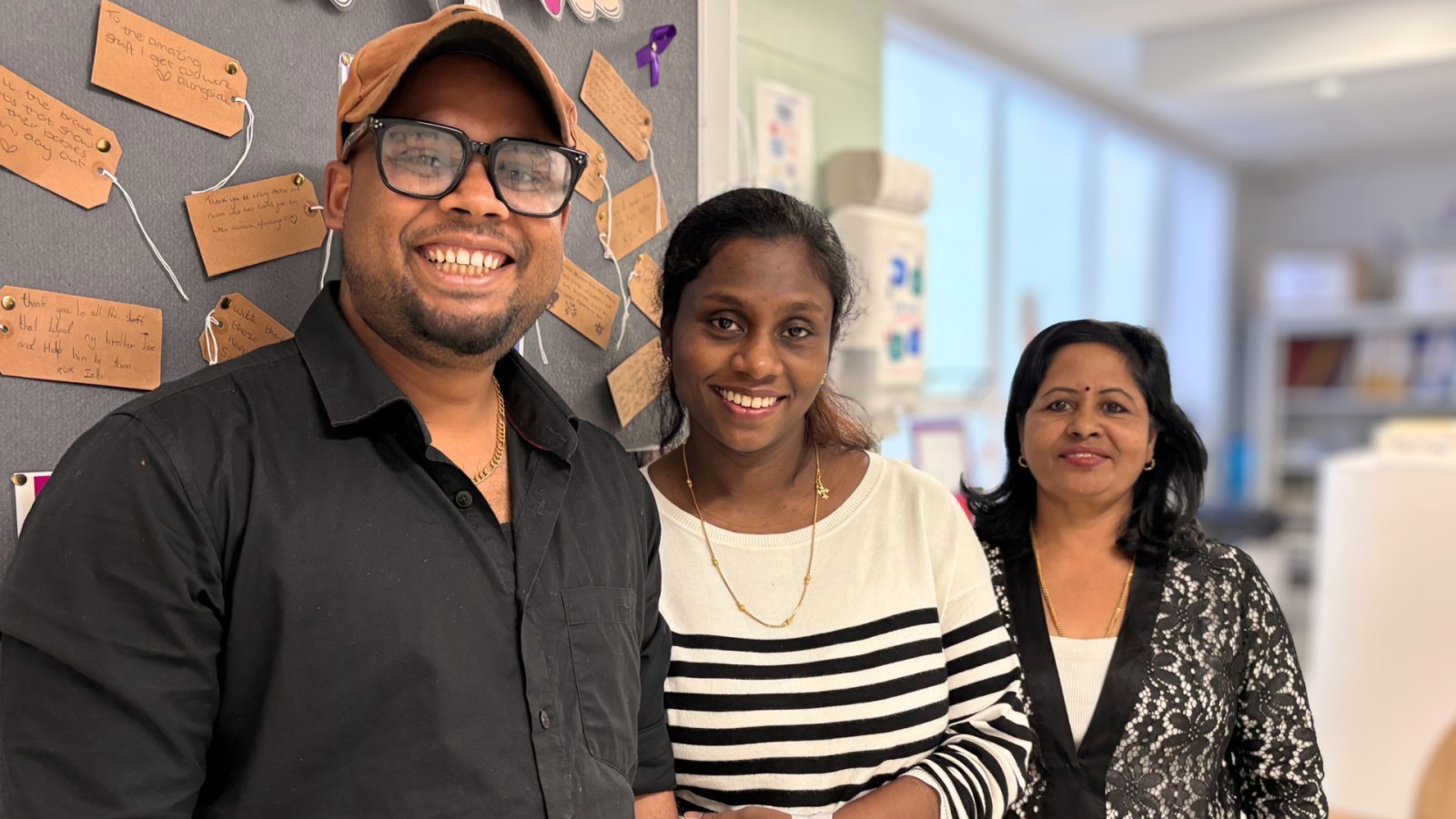
She was referred to Dr Bryan Beattie, the lead consultant for fetal medicine in Wales, and his specialist team in Cardiff.
John Poul admitted the pair were frightened at first. “But we met Dr Beattie and he gave us very good support,” he said, adding that the consultant arranged counselling for them.
A scan at 22 weeks cancelled the baby shower
A baby shower and gender reveal party were planned for a Sunday. On the Thursday before, a regular scan at 22 weeks changed everything.
Glenna recalled: “It was found that the cervix was close to opening. We had to cancel everything.”
She was admitted to hospital in Cardiff, where consultant obstetrician Dr Henry Cole put in a cervical stitch to try to hold off the birth. She stayed for five weeks.
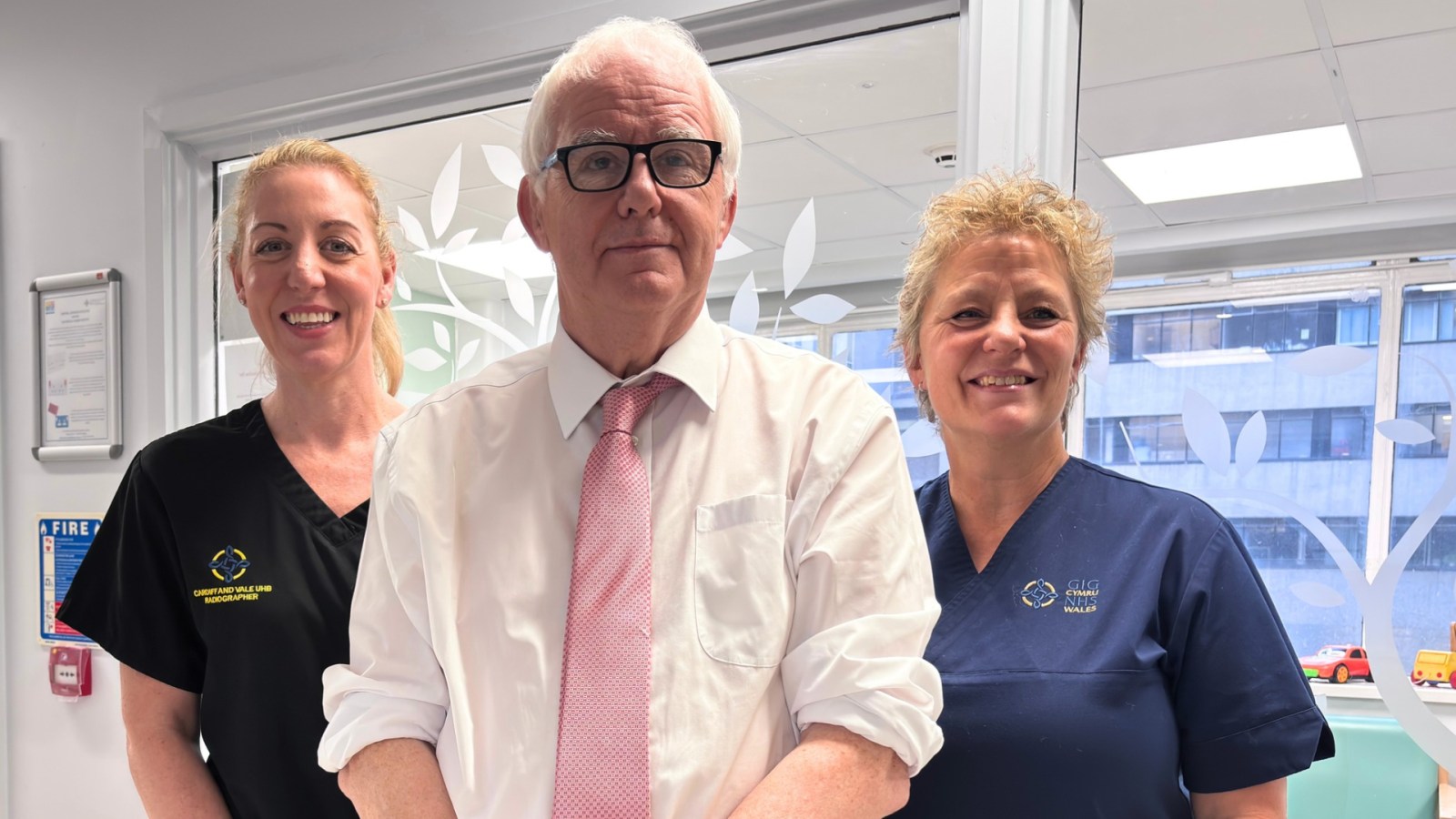
Dr Beattie said Glenna put the babies first throughout: “She was very, very uncomfortable and from her point of view it would have been nice to have delivered the babies long before. But she just put up with everything that we suggested in the best interest of the babies.”
Five neonatal staff were waiting for each baby
While she waited, the health board says, the neonatal team planned for both an emergency and a planned caesarean. A theatre was picked out, four sets of equipment were laid ready and a backup rota was drawn up in case the babies arrived out of hours.
Then Glenna went into labour on her own.
Consultant neonatologist Dr Rachel Hayward described what followed: “It was like a military operation. A team of five neonatal staff were allocated to each baby, in addition to the theatre team plus NICU staff looking after the rest of the neonatal unit and attending other deliveries.”
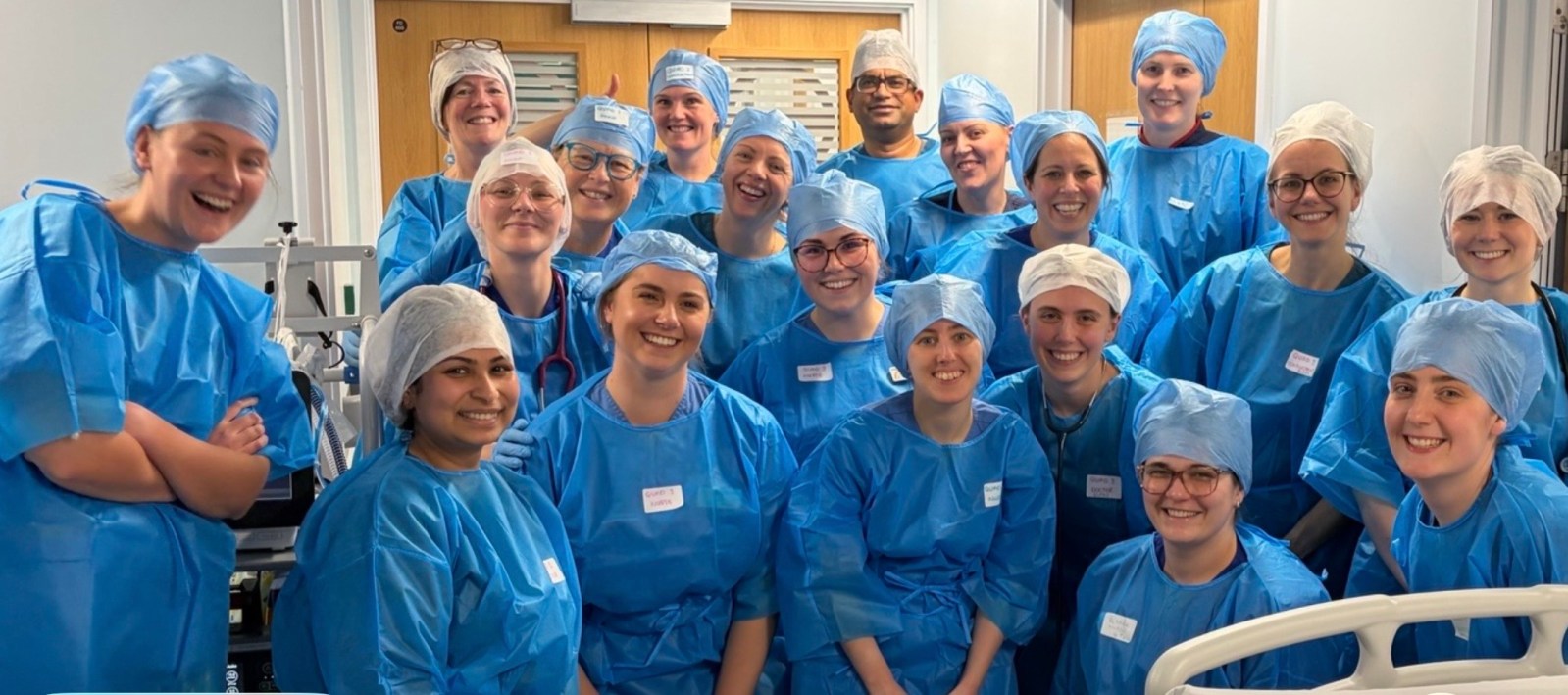
Her colleague Dr Nitin Goel said some staff came in from home to help. “A lot of people stayed beyond their shift that particular evening because there was so much to do,” he said.
The four are leaving Cardiff for Singleton Hospital
The babies have been in neonatal intensive care in Cardiff since, where they are being helped to feed and grow.
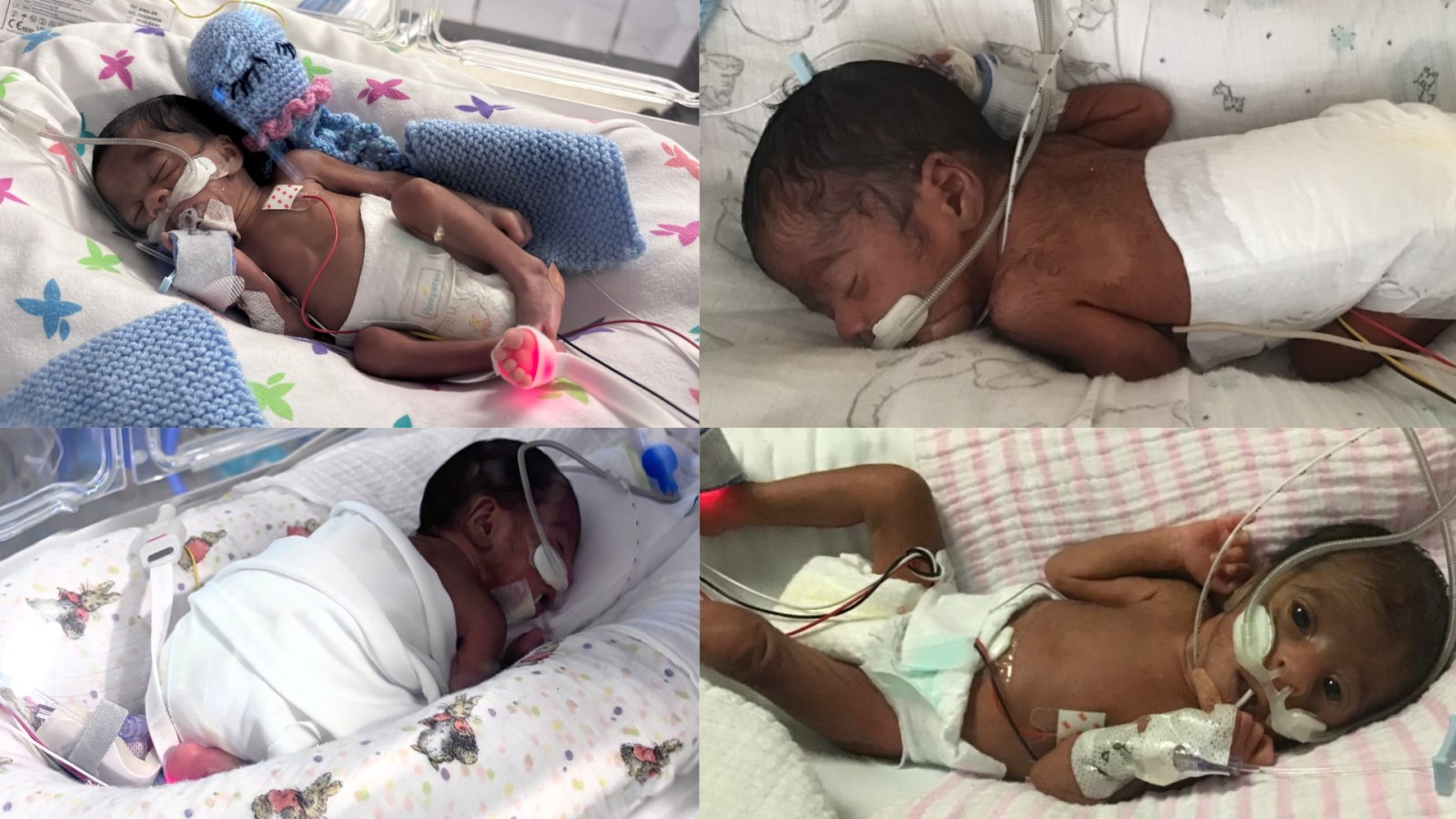
John Poul paid tribute to the midwives, nurses and doctors who looked after his family. “They gave 200% for us,” he said. “They gave their best, more than their best.”
The health board says the four are now being transferred to Singleton in Swansea, bringing them closer to the family home.
Swansea Bay University Health Board has said families come to Singleton’s neonatal unit from all over south Wales. Free houses on the hospital site, refurbished through a charity appeal, are kept for parents who live too far away to travel back and forth.

Discover more from Swansea Bay News
Subscribe to get the latest posts sent to your email.