Carmarthenshire drivers who park on the street could soon pay the council £1,450 to charge an electric car from their own front door.
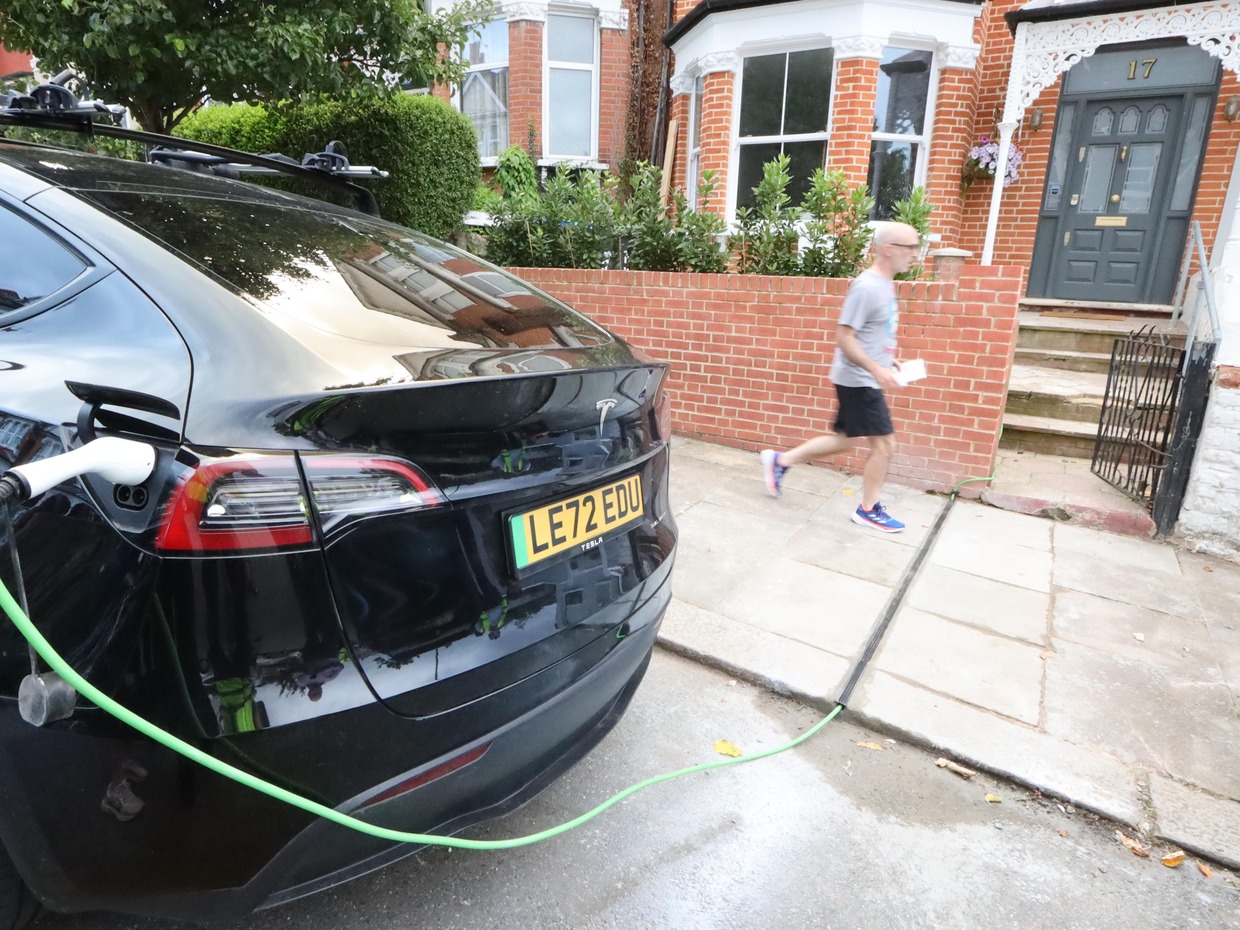
Carmarthenshire Council wants to cut a covered channel, known as a gully, into the pavement outside homes. The charging cable would run under the walking surface to a car parked at the kerb.
Its cabinet is due to decide on Monday 30 November whether to take the scheme forward, after a two-year trial of 44 gullies in places including Llanelli, Carmarthen, Llandovery and Garnant.
£449 for the gully, £300 towards upkeep
By the council’s breakdown, the £1,450 covers £449 for a three-metre Kerbo Charge gully, £450 for materials and labour, £300 towards future checks and repairs, and £250 in admin.
Households may be able to put a UK Government grant of up to £500 towards a charger and gully, subject to scheme rules. The council also wants to offer a payment plan, with prices reviewed every year.
Under 10p at home against up to 65p on a public charger
The council says 16,405 homes in the county rely on street parking, and 14,175 of them are more than a three-minute walk from a public charger.
The county has 215 public charge points, including hubs at Cross Hands, Castle Car Park in Llandovery and Pentre Awel. Electric and plug-in hybrid cars made up 2.3% of vehicles registered there in late 2025, against 3.06% across Wales and 6.31% UK-wide.
Cost is the draw. An independent evaluation of the trial put home charging at under 10p a kilowatt hour, against up to 65p on the public network.
Councillors on the county’s place, sustainability and climate change scrutiny committee have already asked for the “level of resident contribution” to be looked at again.
They also want cabinet member Cllr Aled Vaughan Owen to lobby the UK Government over the difference in VAT between charging at home and charging in public.
No safety incidents in two years
Trial users gave the gullies an average of 4.78 out of five after three months. All eight first-phase households who answered again after a year gave them full marks.
None of the 44 sites reported a safety incident. The council says the trial showed gullies are “a safe, practical and equitable” way to charge at home without trailing cables across the pavement.
Over the border, Swansea is trialling the same system with ten households. They were picked after an open call to residents in May 2025.
Neath Port Talbot Council said in August it was about to start its own ten-home trial of a pavement gully, on a mix of urban and rural streets.
It puts home charging at around 8p a kilowatt hour, against 80p on fast and rapid chargers. If the trial works, it says, residents across the county borough could apply for an on-street charge point outside their home.
No guarantee you can park next to it
There are catches. Carmarthenshire Council says it can’t promise anyone a space beside their gully, and its highways team would fit a capped number each year, with a waiting list.
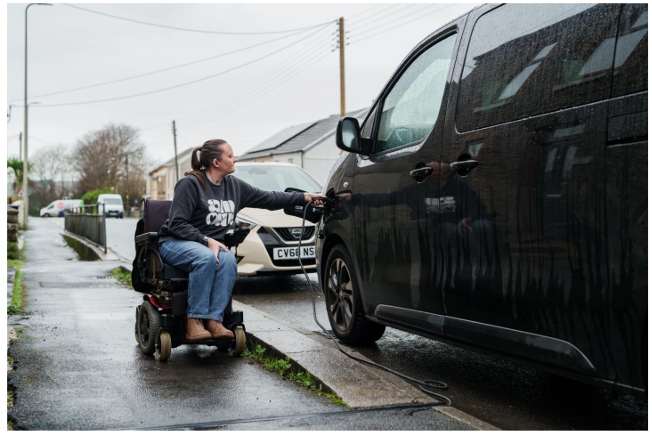
It also accepts that bending, kneeling or handling a dirty cable may be hard for some disabled users. A disability representative backed keeping cables under the path but asked for predictable layouts, visible cables, accessible consultation and a firm line on misuse.
Trial households reported debris in the channels, a damaged flap that was quickly replaced, and minor problems with seals and lifting. Council officers call the issues “manageable rather than fundamental”.
If cabinet agrees, the council has not said when households could apply. It first has to set the rules on who qualifies, buy in the gullies and train its own crews to fit them.

Discover more from Swansea Bay News
Subscribe to get the latest posts sent to your email.