Swansea Council has told the Welsh Government that the wildlife surveys behind 216 homes planned at Fairwood Terrace are too old to rely on. On traffic, the issue that got the scheme refused, it has said nothing.
The reply is dated Thursday 17 September, the last day for responses to Persimmon’s request to strip ten topics out of the environmental study it must produce before its appeal can be decided.
The housebuilder wants that study to cover one thing: the nutrients 216 households would send into the Burry Inlet catchment. Traffic, flooding, wildlife, noise and six other topics would be left out.
Why the council wants new bat, dormouse and otter surveys at Fairwood Terrace
The council’s ecology officer does not accept that for wildlife. Persimmon’s case is that ecology was dealt with when the planning application was assessed, and that nothing has changed since.
The officer points out that the surveys were “predominantly carried out between 2015 and 2020”. Bat transects ran from 2015 to 2020, dormouse nest tube checks were done in 2019 and 2020, the breeding bird survey dates from 2019, and otter walkovers ended in January 2022.

Guidance from the ecologists’ professional body says reports more than three years old are “unlikely to still be valid”.
“As the majority of the surveys for the application pre-date 2023 this now places the current validity of the assessment (and associated mitigation strategy) in question,” the officer wrote.
The officer wants an updated assessment built on new surveys for bats, dormice and otters. The response notes a badger sett recorded on the site, and otters known on the Llan, the river fed by the brook that crosses the land.
No word from highways on the Gowerton traffic question
The letter, signed by the council’s development manager, lists five internal teams that did not respond to the consultation: highways, pollution control, trees, landscape and public rights of way.
Traffic is the reason the scheme was refused. Councillors threw it out by a single vote in September 2024, against the advice of their own officers, who had not objected.
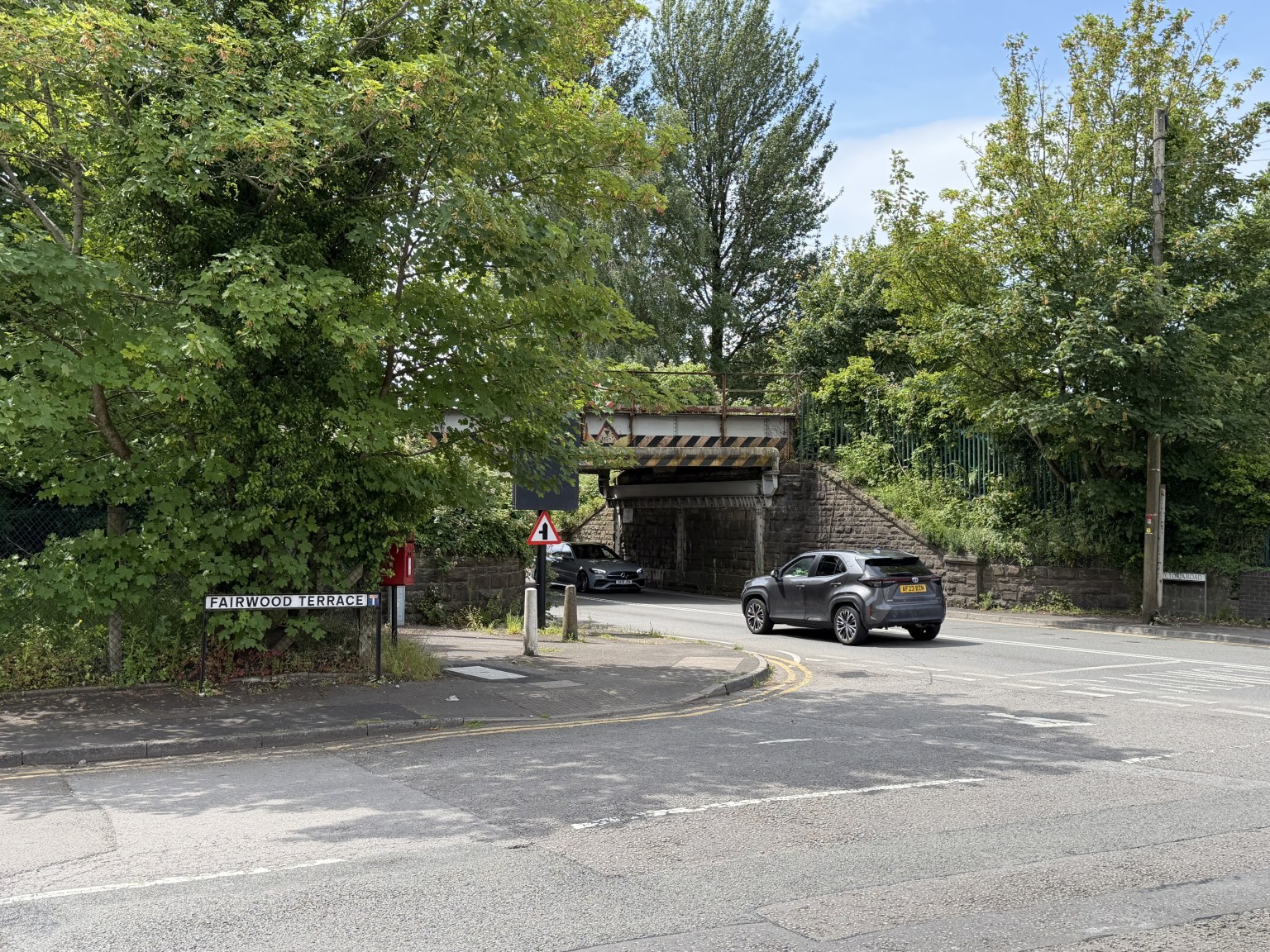
Persimmon’s answer to congestion is a signal-controlled junction beneath the Trafle Mill railway bridge, named by Network Rail as the most struck in Wales and the Borders, hit 33 times in a decade. Campaign group Save Gowerton from Gridlock argues only a new spine road through the wider site would keep the extra traffic off Victoria Road.

What else the council told the Welsh Government
Heneb, the Welsh archaeological trust, agreed heritage can be left out of the study. It said the land holds remains of Fairwood Tinplate Works and New Gorwydd Colliery, along with a mill leat and a canal, and asked for archaeologists to be on site whenever the ground is disturbed.
The council’s planning policy officer said Persimmon’s plan to use a single nutrient assessment for both the environmental statement and the separate habitats assessment was “a reasonable approach”.
The council is one of nine bodies that were asked. Natural Resources Wales, Dŵr Cymru, Network Rail, Transport for Wales and the Welsh Government’s own transport directorate faced the same deadline. We have not yet seen their replies.
Officials cannot force the outcome. The regulations only let them publish a non-binding view on what the study should cover, and the appeal cannot be decided either way until Persimmon has written it.

Discover more from Swansea Bay News
Subscribe to get the latest posts sent to your email.