

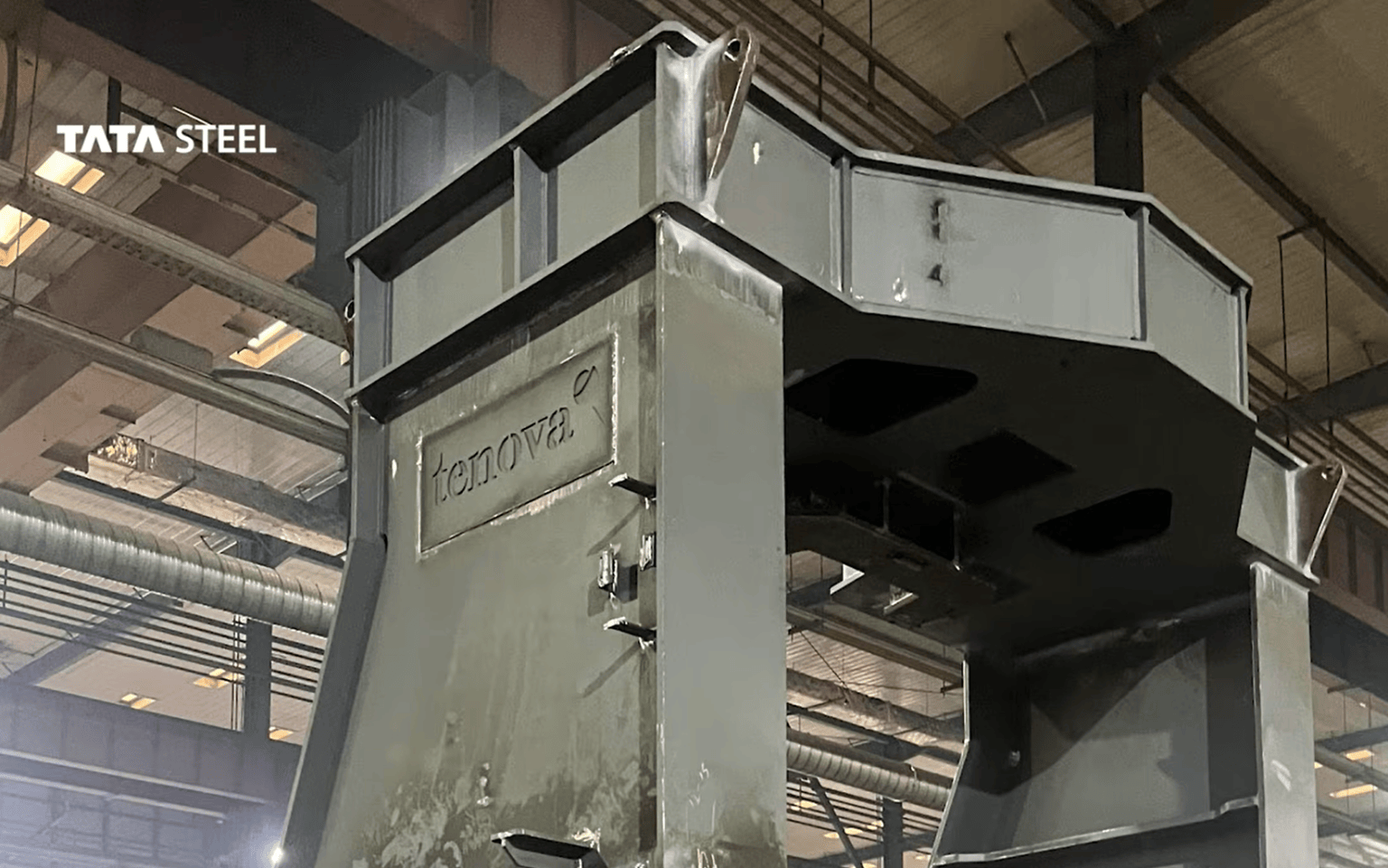
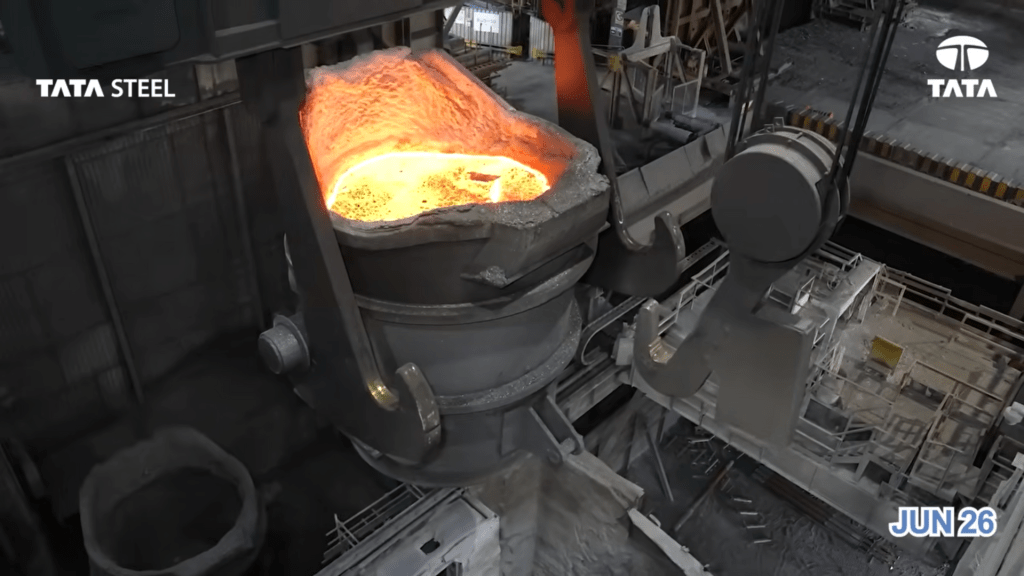
The centrepiece of Tata Steel’s £1.25bn transformation of Port Talbot — its giant new electric arc furnace — has been built and is now making its way to south Wales.
In a project update, the company said the main components of the furnace had been fabricated and were beginning their journey to Port Talbot from sites around the world.
The furnace has been designed and made by the Italian metals technology firm Tenova, and is billed as one of the largest of its kind ever built, with a main shell measuring more than nine metres across.
Once running, it will be capable of producing 3.2 million tonnes of steel a year, melting scrap using electricity rather than the coal-fired blast furnaces that defined the site for generations.
The update came in the latest instalment of Tata’s own video series charting the rebuild, in which a presenter and project director tour the site a year on from when much of it was still open ground.
Tata’s project director said the big parts were ready to ship, with roughly a two-month sailing ahead of them before they arrive to be offloaded.
The components are being delivered in 11 separate lots, spread out over the coming year, the company said.
According to Tata, the wider project is “on plan” and broadly on time, with the director describing the progress over the past year as a “morale booster” for the workforce.
Around 1,200 people are expected to be working on the site at peak, across civil, mechanical, electrical and piping work.
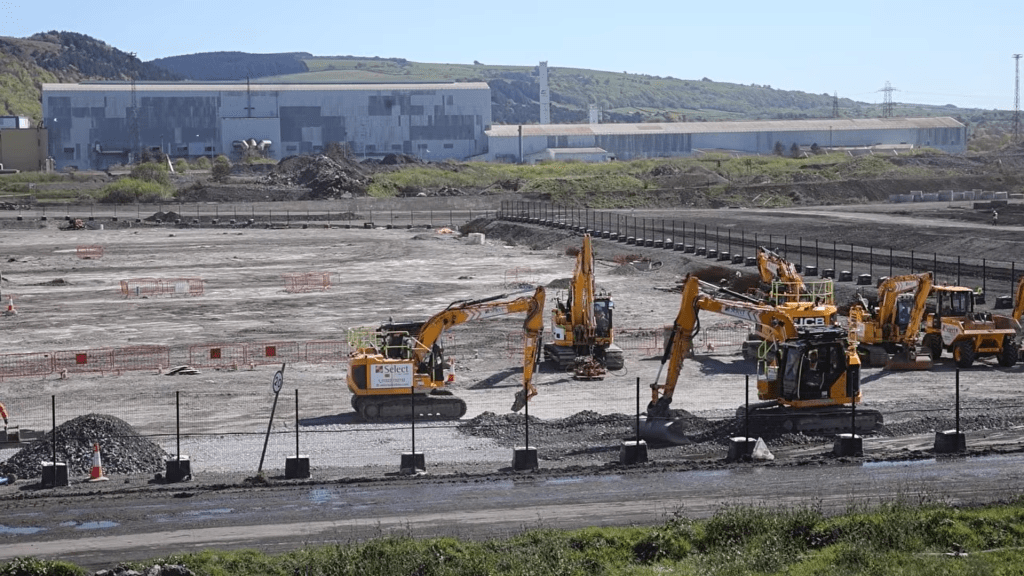
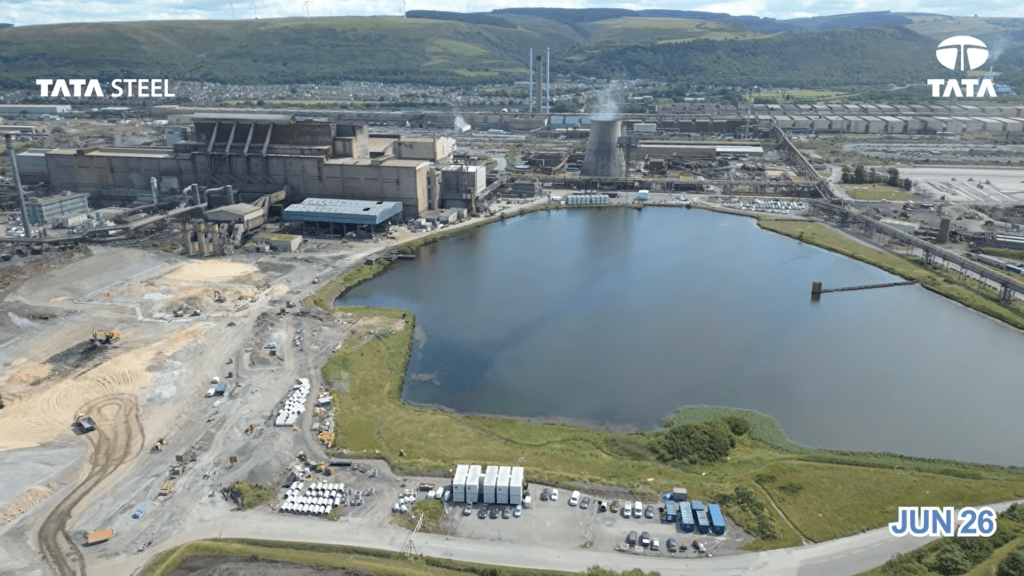
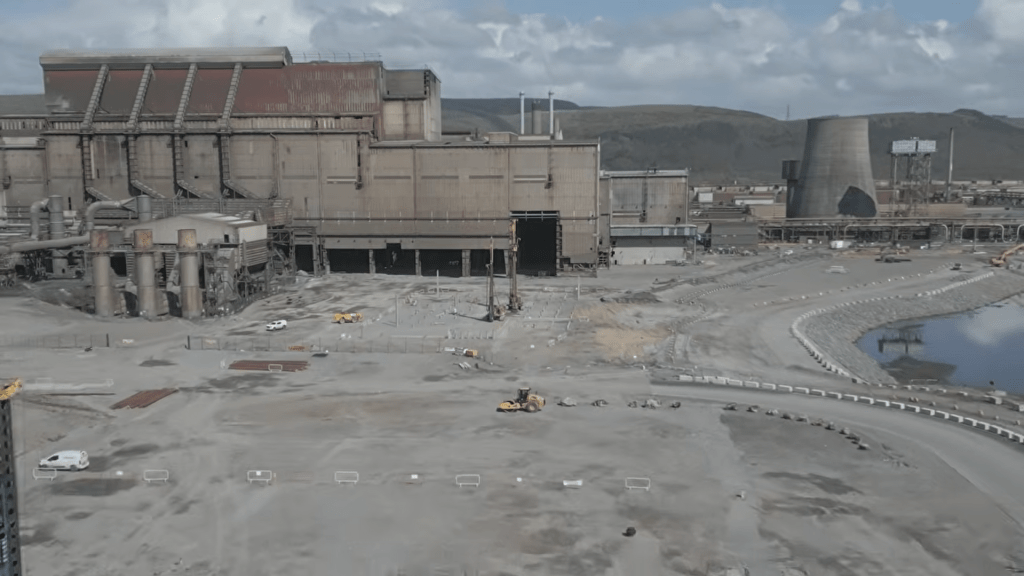
The video showed the scale of the groundworks — including a former cooling lagoon partly filled with some 220,000 tonnes of stone, and a separate area cleared of around 400,000 tonnes of material.
The footage also showed work on the site’s future scrap yard, which will handle around 70,000 tonnes of scrap a week to feed the new furnace

Nearby, contractors for National Grid are piling the ground for a 275,000-volt substation that will power the furnace, on land the grid operator now leases from Tata.
The furnace site itself was where the UK’s Business and Trade Secretary, Peter Kyle, launched the government’s Steel Strategy in March, and where a groundbreaking ceremony was held in July last year.
Tata’s confident tone follows a turbulent few weeks for the project, however.
Earlier this month, Swansea Bay News reported that the furnace could be delayed by up to eight months over a hold-up in its power connection, prompting cross-party calls for answers and a row over who knew what, and when.
An earlier shipment of furnace parts had also been pushed back by several weeks, with reports linking the delay to rising shipping costs amid tensions in the Middle East.
The switch to electric arc steelmaking, backed by £500m of UK Government funding, is central to Tata’s plan to cut emissions at Port Talbot — but it came at the cost of thousands of jobs when the blast furnaces closed.
A full video tour of the site is available on Tata Steel’s YouTube channel.

Discover more from Swansea Bay News
Subscribe to get the latest posts sent to your email.