


Two cinemas that once entertained thousands, two chapels built on tinplate money and a village pub whose porch is dated 1658 — five local landmarks have been added to the UK’s register of historic buildings most at risk of being lost for good.
Conservation charity SAVE Britain’s Heritage has published its annual additions to the Buildings at Risk Register, with 14 Welsh buildings among the new entries on a list the charity has compiled since 1989 — now holding more than 1,300 vacant and threatened buildings.
The two picture houses tell the story of cinema-going in two eras — and both have now stood dark for decades.
Elysium Cinema, Swansea


The first is the former Elysium Cinema on High Street in Swansea — designed by London architects Ward and Ward for the Dockers’ Union, and considered a fine example of the Edwardian Baroque style adopted by early cinema builders.
Opened in 1914 with a 1,400-capacity cinema and a Dock Workers Hall, the building also housed a ballroom, a ladies’ reading room and the union’s offices.
The cinema closed in 1960 and spent 30 years as a bingo hall before that too shut in the 1990s — and the building has been sealed off and deteriorating ever since.
In 2009, the canopy above the pavement partially collapsed, striking a passer-by who was taken to hospital — with the council reportedly placing the building on immediate demolition status in the aftermath. It remains standing, empty and under threat.
Its faded interior was revealed by urban explorers last November — who found dust-covered rows of seats and abandoned arcade machines inside a building they described as “incredibly unsafe”.
Theatre Elli, Llanelli
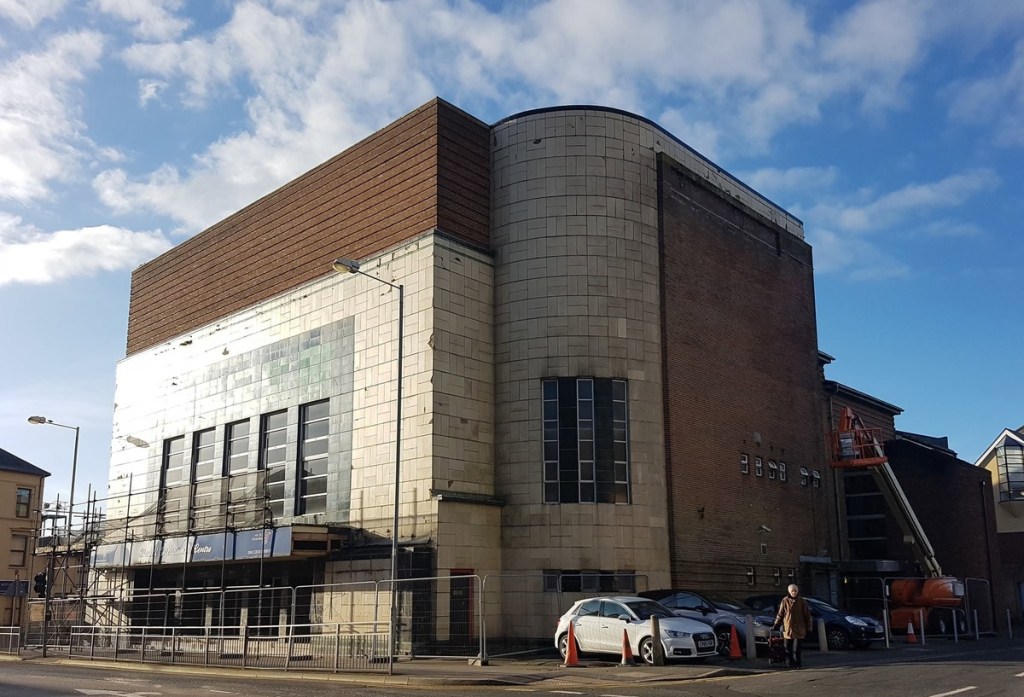
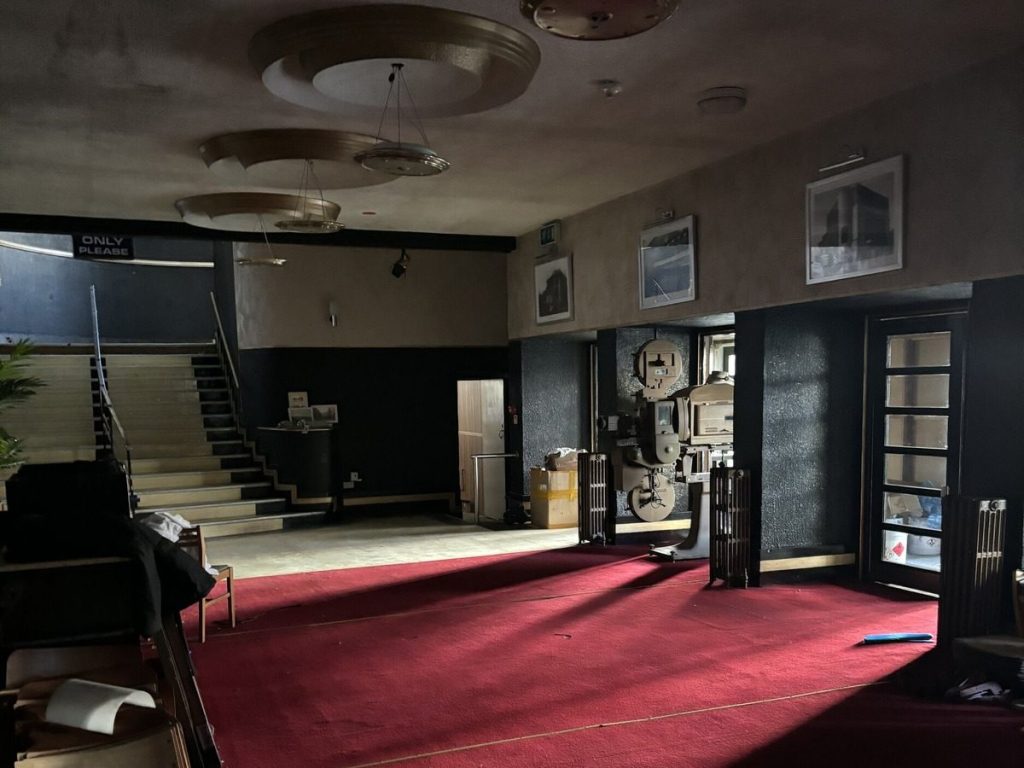
The second cinema is Theatre Elli, Llanelli’s Grade II listed former Odeon — described by SAVE as a rare surviving example in Wales of a 1938 Odeon by the circuit’s celebrated architect Harry Weedon.
It closed in 2012, was stripped by vandals of copper and other materials, and was sold by the council in 2014 for £130,000. An ambitious restoration scheme won planning approval after volunteers worked to improve the interior — but SAVE says the proposals ground to a halt through the Covid-19 pandemic and a lack of funding.
Llanelli‘s chapels make it three entries for the town — a measure of how much of its tinplate-era grandeur now stands empty.
Park Congregational Chapel, Llanelli
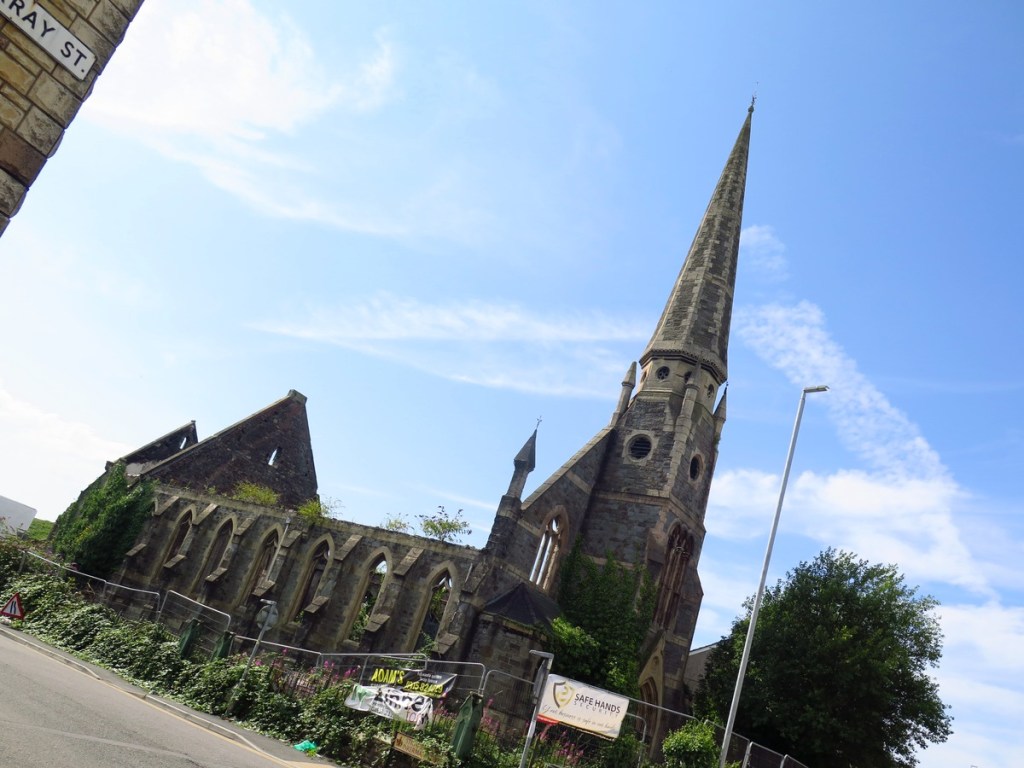
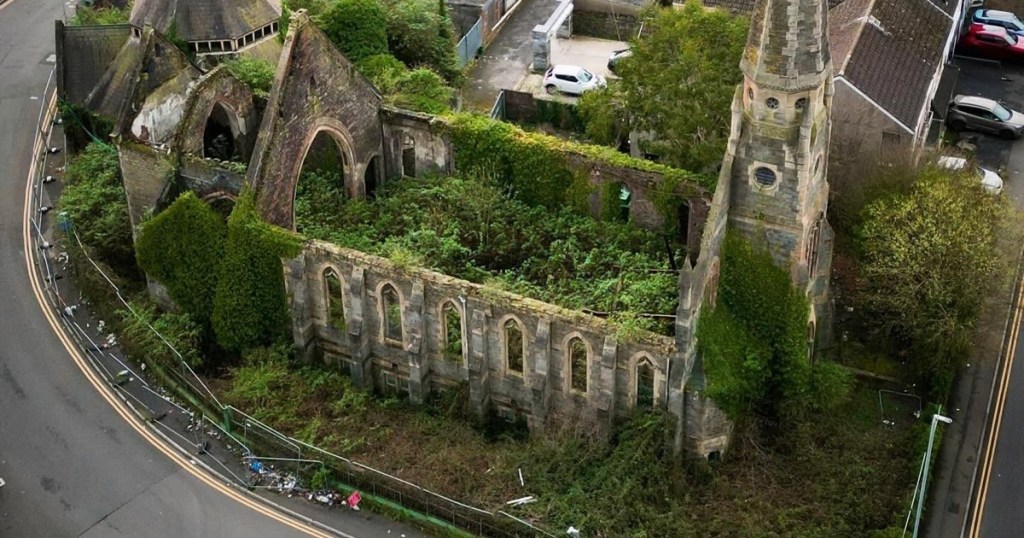
Park Congregational Chapel, built in the mid-19th century by London architects Lander & Bedells, is Grade II listed along with its Sunday School. It became a furniture store in 2005, was abandoned in 2010 and badly damaged by fire in 2015 — and the charity says the Sunday School is now deteriorating at an alarming rate, with attempts to sell the site unsuccessful.
Calfaria Chapel, Llanelli


Calfaria Chapel — the work of George Morgan of Carmarthen, the most prominent Baptist chapel designer in south Wales, in his celebrated Lombardic style — seated 870 with a 500-place Sunday School. Permission to convert it into flats was granted but has never materialised.
Dulais Rock, Aberdulais
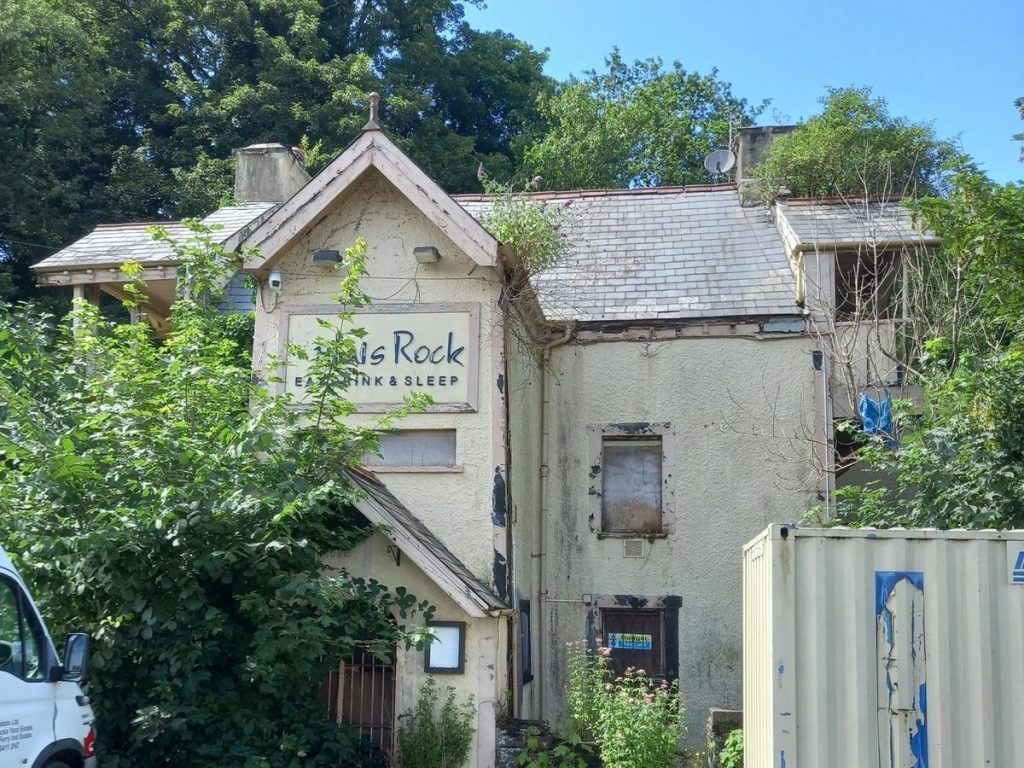
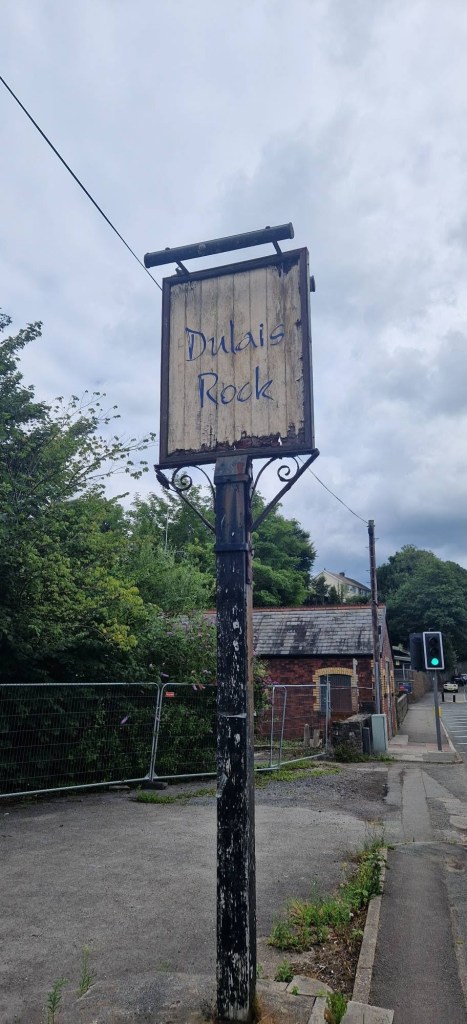

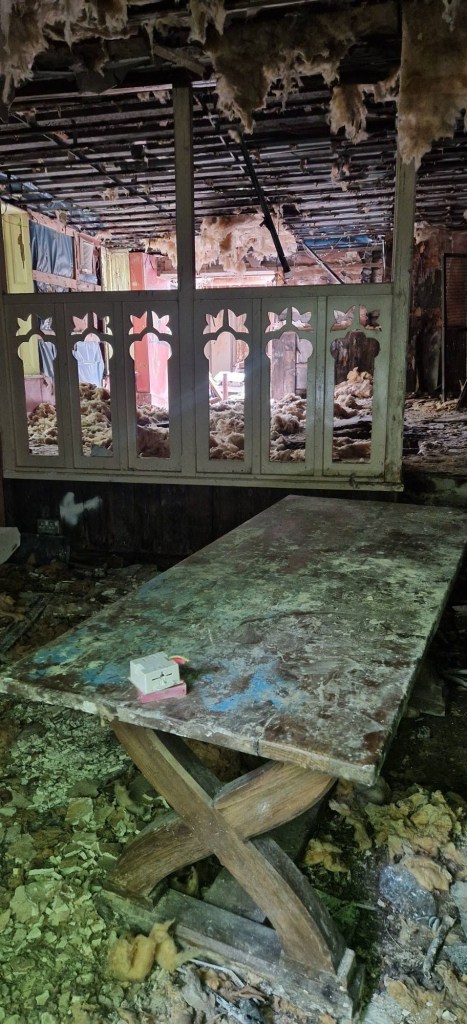

The fifth local entry is the Dulais Rock at Aberdulais in Neath Port Talbot — an unlisted former pub, closed since 2008, whose gated porch carries the date 1658.
SAVE says the building near Aberdulais Falls holds strong connections to the area’s industrial past — copper smelting, ironworking, milling and the tinplate industry — and sees potential for a new life as a pub, café or home.
The wider Welsh list ranges from a fire-gutted Victorian brewery in Blaenavon and a Wrexham school listed just after the council approved its demolition, to an art deco former Co-op in Pontypool that made headlines in 2020 when a cannabis farm was discovered inside.
SAVE says the register exists to bring forgotten buildings to the attention of new owners or custodians able to repair them — with a basic search free for anyone to browse, nominations welcome from the public at any time, and volunteer photographers sought to document buildings in need of rescue.
Appetite for these buildings is not in doubt — when the same exploring duo who documented the Elysium filmed inside Llanelli’s closed Stradey Park Hotel in June, the story travelled far enough to draw a police warning. The question the register poses is whether that fascination can be turned into rescue.





Sorry but the cash is being used to import the 3rd world