

More than two in three women who answered a South Wales Police survey about running say they have been harassed or abused while out on a run.
Of the 160-plus female runners who took part, 117 reported catcalling, sexual remarks, drivers sounding their horns or slowing down alongside them, wolf whistles, and in some cases physical and sexual assault.
The force is now taking its JogOn campaign to parkruns and running clubs, with a blunt message for the people doing it.
‘Catcalling is now a crime’
Superintendent Donna Llewellyn, the force lead for violence against women and girls, said: “Our message to perpetrators of street-based harassment is this: your actions will not be tolerated.”
“For too long women have changed their behaviours to feel safe, but now the onus to change is on you. Misogynistic remarks and predatory behaviours are not acceptable within our communities,” she said.
She went on: “Catcalling is now a crime. You can now face a criminal record and up to two years in prison for harassing someone in public because of their sex. We will take it seriously and we will take action.”
The offence comes from the Protection from Sex-based Harassment in Public Act, which came into force across England and Wales on 1 April. It applies when someone deliberately causes another person harassment, alarm or distress in public because of their sex.
Posters at parkrun
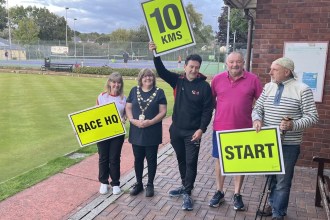
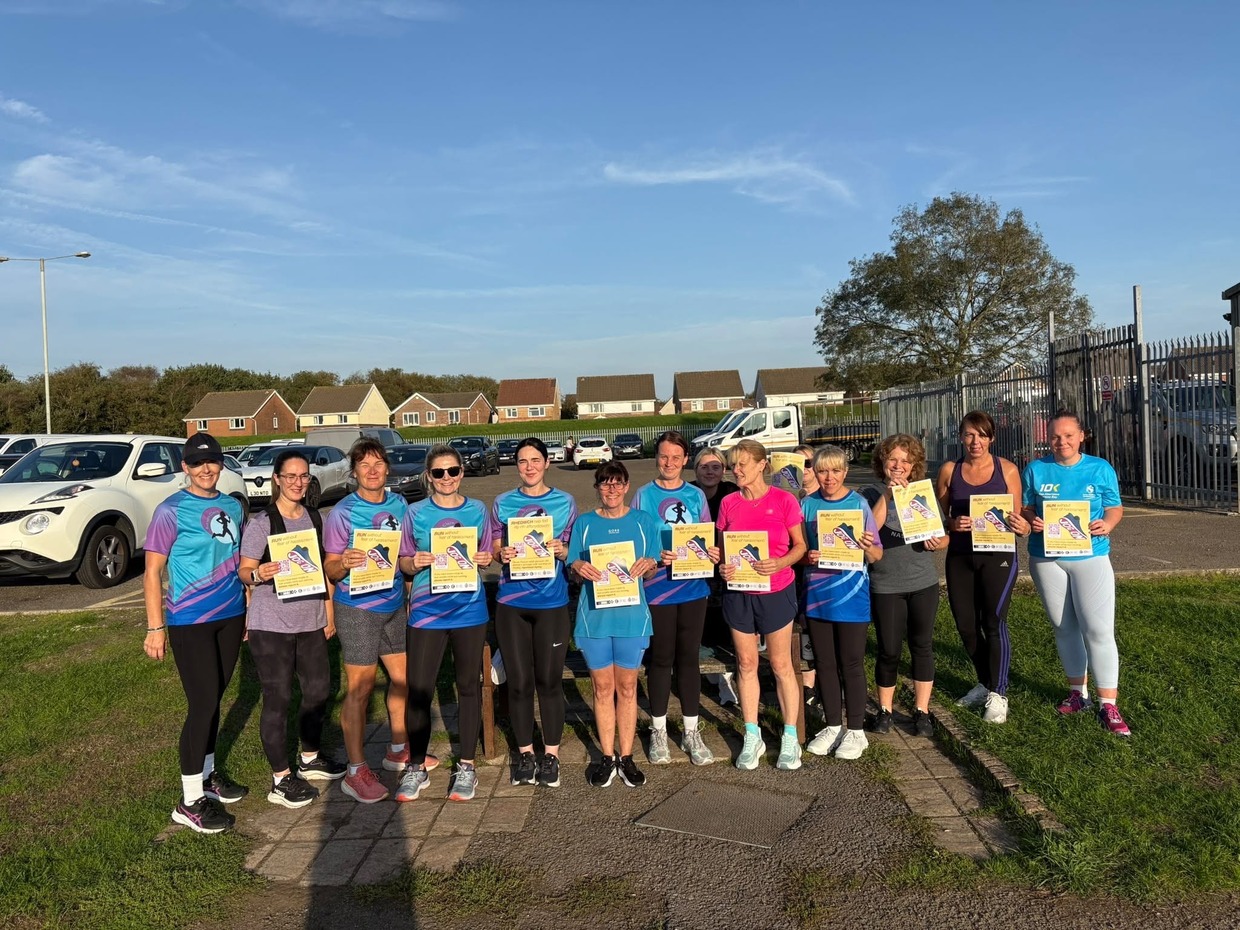
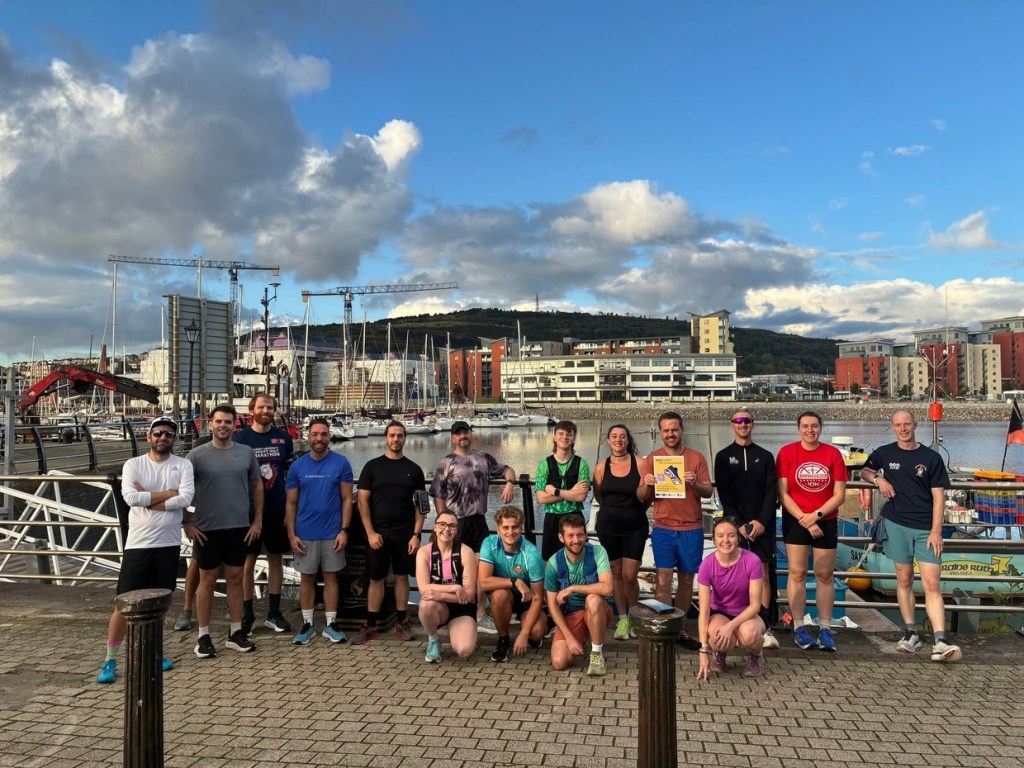
Neighbourhood officers are visiting parkruns, running clubs and women’s safety in sport groups to talk to runners and hand out JogOn posters.
The posters, in English and Welsh, carry the line “Run without fear of harassment” and a QR code for reporting it.
The campaign also asks other runners and passers-by to step in as active bystanders when they see it happen.
‘No one should feel they have to tolerate harassment’
Police and Crime Commissioner Emma Wools, who helped fund the campaign, said: “Everyone has the right to feel safe and confident as they go about their daily lives. Intimidation, catcalling and assault have no place in our communities.”
“No one should feel they have to tolerate harassment or believe that reporting it will not make a difference,” she said. “We want people to understand that this behaviour is never acceptable and to feel empowered to report it, knowing they will be listened to, taken seriously and supported.”
She said the campaign aimed to “raise awareness, encourage reporting and send a clear message that this behaviour will not be tolerated”.
How to report it
Street harassment can be reported to South Wales Police online or on 101, or on 999 in an emergency.
Reports can also be made anonymously to Crimestoppers online or on 0800 555 111.
More from Swansea Bay News
Running news from Swansea Bay News
Races, clubs and parkrun stories from across the region.
Harassment coverage from Swansea Bay News
Cases and campaigns from Swansea Bay’s courts and streets.
More South Wales Police news from Swansea Bay News
Every story from the force.

Discover more from Swansea Bay News
Subscribe to get the latest posts sent to your email.