The uplands between the Afan, Neath, Cynon and Rhondda valleys are in line for three years of restoration work, new footpaths and free outdoor activities after a second National Lottery award of almost £2m.
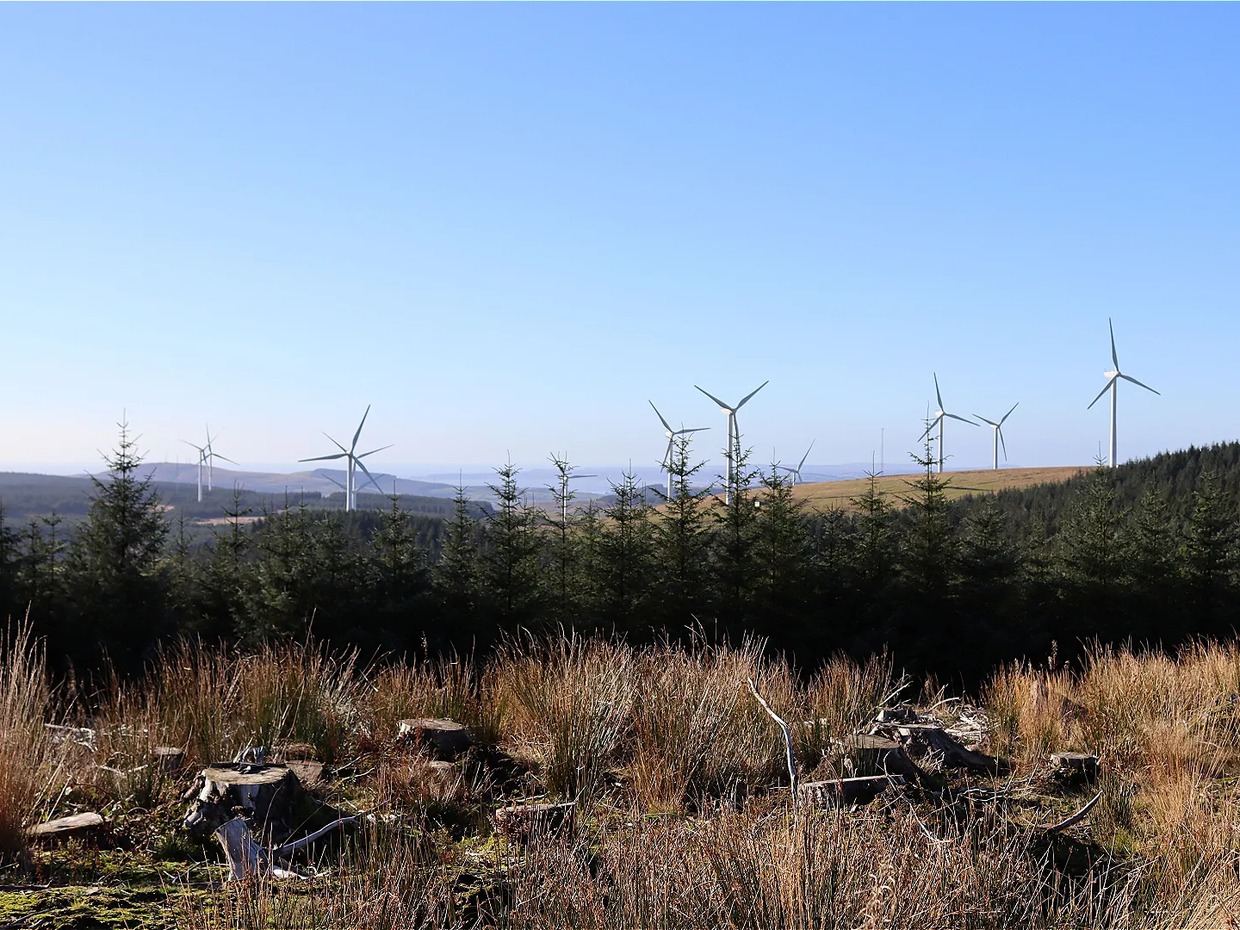
Lost Peatlands Connections will work across 16 sites covering almost 870 hectares, re-wetting bogs and restoring heath, grassland and woodland on the plateau that commercial forestry and wind turbines now dominate.
For walkers, the headline is five new routes with interpretation along the way, plus an explorer app, virtual reality experiences and a podcast series to open up a landscape most people only see from the valley floor.
For residents, the programme promises volunteering days, outdoor learning for schools, wellbeing activities, heritage skills training, public events and creative projects, with delivery due to start this month.
The project is led by Neath Port Talbot Council‘s countryside and wildlife team and takes in the upland core of the historic county of Glamorgan. That includes the ground around Pen y Cymoedd wind farm.
From 23 hectares to 870
It builds on the original Lost Peatlands of South Wales scheme, launched in 2021 with £1.56m of Lottery money to restore 256 hectares of bog that had been ploughed and drained for timber after the Second World War.
By 2024 that work had turned a 50-hectare former plantation above Glyncorrwg, the size of 70 rugby pitches, back into wet peatland by blocking drains and flipping tree stumps back into the ground.
With the new award, National Lottery Heritage Fund money for the two projects comes to around £3.5m. Match funding and partner contributions lift the value of the latest phase alone to almost £2.6m, the council says.
Peat matters because it holds carbon. In good condition a bog locks it in and soaks up rainfall; drained and dried out, it leaks carbon into the air and sends water straight downhill.
The council says the work will leave the hills more resilient for wildlife while helping with carbon storage, natural flood management and the wildfires that have scorched the Afan Valley plateau in recent summers.
Who is involved
Alongside the council, the partnership brings in Natural Resources Wales through its National Peatland Action Programme, and the wind farm’s owner Vattenfall.
The Woodland Trust and Coed Lleol, the Small Woods Association, are also on board. So is the Wildlife Trust of South and West Wales.
Across the county line, Rhondda Cynon Taf Council completes the line-up.
Cllr Jeremy Hurley, the council’s cabinet member for climate change and economic growth, said the funding would allow the partners “to build on the success of the previous project” and called it “a major investment in the landscapes, wildlife and communities of the South Wales Valleys”.
He added that the project “will create opportunities for people of all ages to improve their wellbeing, learn new skills, discover local heritage and develop a stronger connection with the natural world around them”.
Cllr Cen Phillips, cabinet member for nature, tourism and wellbeing, said the money “will help more people experience and connect with these incredible places” and should encourage more residents and visitors “to explore all that the area has to offer”.
Andrew White, director of the National Lottery Heritage Fund in Wales, said the project “brings together nature recovery, heritage conservation and community engagement in a way that will create lasting benefits for both people and places”.
Anyone wanting to follow the work or get involved can contact lostpeatlands@npt.gov.uk or find the project as @LostPeatlands on social media.
Related stories from Swansea Bay News
Major peatland site restored in Neath Port Talbot: the 50-hectare Glyncorrwg site, the size of 70 rugby pitches, brought back to bog in 2024.
Restoration of ‘lost peatlands’ to combat climate change: how the first 23 hectares at Castell Nos were re-wetted with peat dams.
Lost Peatlands project key in fight against climate and nature emergencies: why the plateau above the Afan and Rhondda holds the most southerly deep peat of its size in Wales.
South Wales’s ‘Lost Peatlands’ given new lease of life: the original £1.56m Lottery award in 2021.

Discover more from Swansea Bay News
Subscribe to get the latest posts sent to your email.