The pup, affectionately named Muse by staff at RSPCA West Hatch Wildlife Centre in Taunton, was found on the rocks at St Brides Bay in Pembrokeshire on December 11 last year. RSPCA Animal Rescue Officer Ellie West said she had concerns about him immediately — he was dehydrated, in thin body condition, with obvious rolls of skin that should have been filled with fat and blubber, and was passing dark loose faeces.
But it was only when Ellie noticed unusual spray marks on his back — similar to those used to identify assessed seals — that the full story emerged. The colour was different from those typically used in the area, so she contacted British Divers Marine Life Rescue. They confirmed they had checked on the same pup just four days earlier — on December 7, at Port Gaverne in north Cornwall, some 120km away.
Ellie said: “Muse’s story is such a fascinating one. When I initially assessed him, little did I know that he had travelled such a long way in such a short time.”
At the time of the Cornwall sighting, Muse had been deemed a borderline case — feisty enough to be given another chance in the wild without intervention. But in those four days he had lost more weight, developed mouth ulcers, and made his way all along the south Wales coastline to Pembrokeshire.
Ellie removed him from the beach and gave him tube feeds of electrolyte fluids and fish before transporting him to RSPCA West Hatch, where he was found to have a possible respiratory infection and was given a course of antibiotics.
What followed was a remarkable recovery. Muse self-fed throughout his entire stay at the centre — a strong sign that he was fighting to survive. By Christmas Eve he had gone from 16kg on admission to 19kg, gaining weight consistently each week.

He paired with another seal and moved to shallow outdoor pools in early January, before graduating to the main pre-release pool with 11 other seals at the end of February — competing well for his share of the fish.
Wildlife Supervisor Ryan Walker said: “He’s consistently gained weight each week over the past few months showing he can compete well with the other seals for his share of the fish.” His final recorded weight before release was 41.5kg — nearly tripling in size since he was plucked from the Pembrokeshire beach.
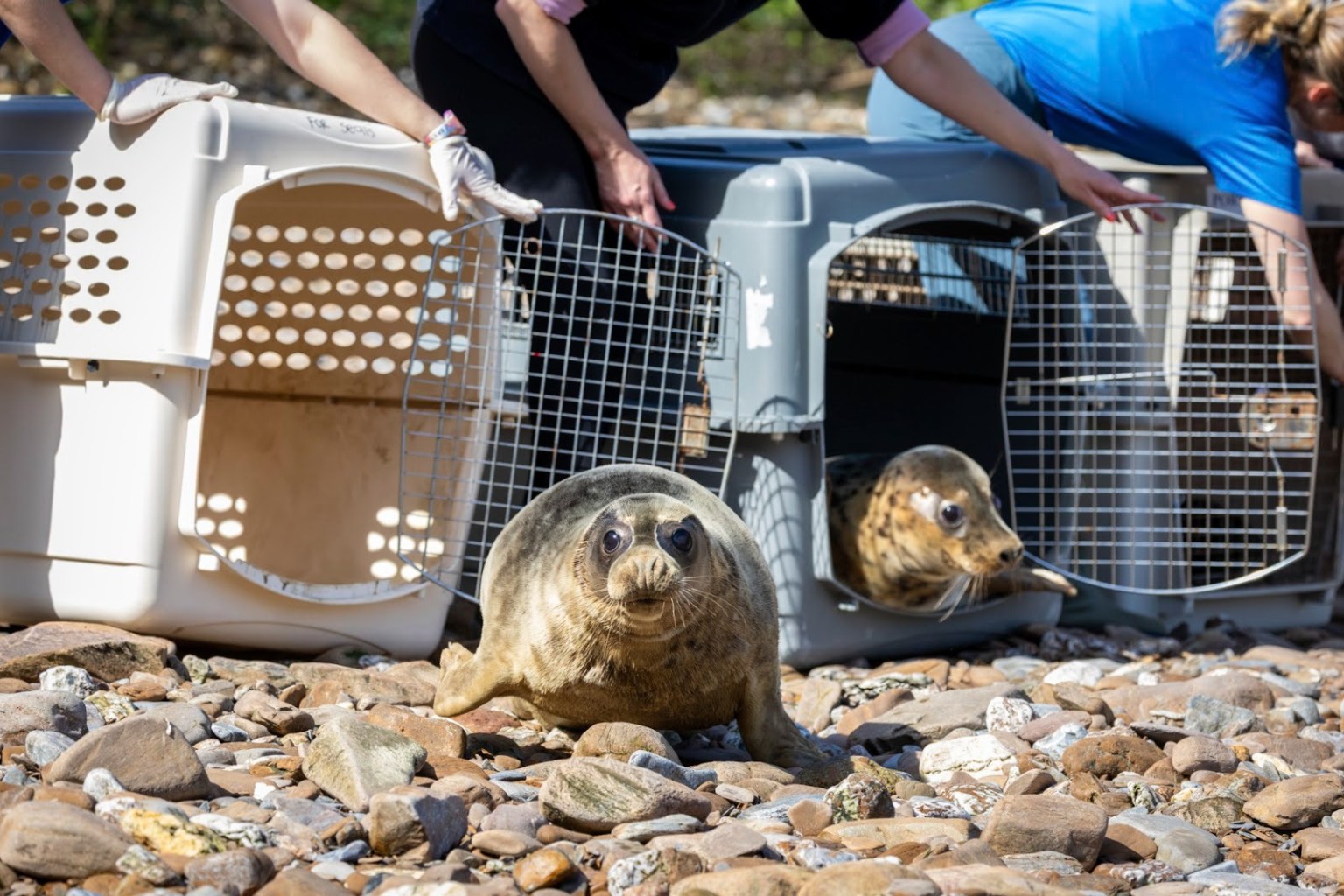
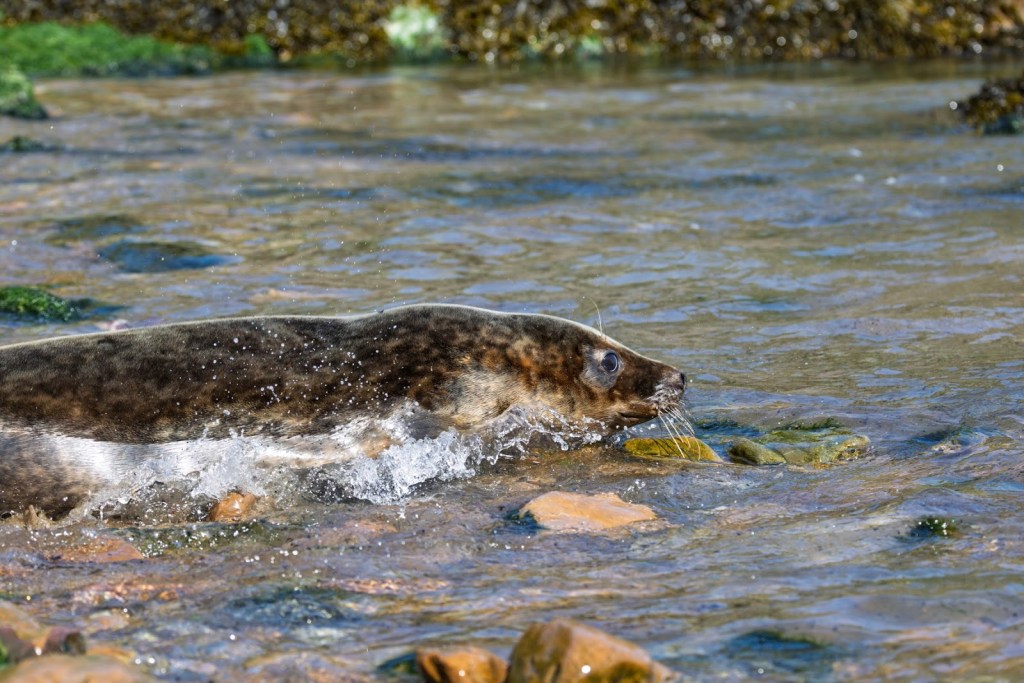
Muse was released at a location in Devon on Wednesday 8 April alongside five other seals rescued by British Divers Marine Life Rescue — all named in keeping with this year’s musicians-and-bands theme at the centre: Jimi Hendrix, Lewis Capaldi, Run DMC, Kate Nash and Oxford Comma.
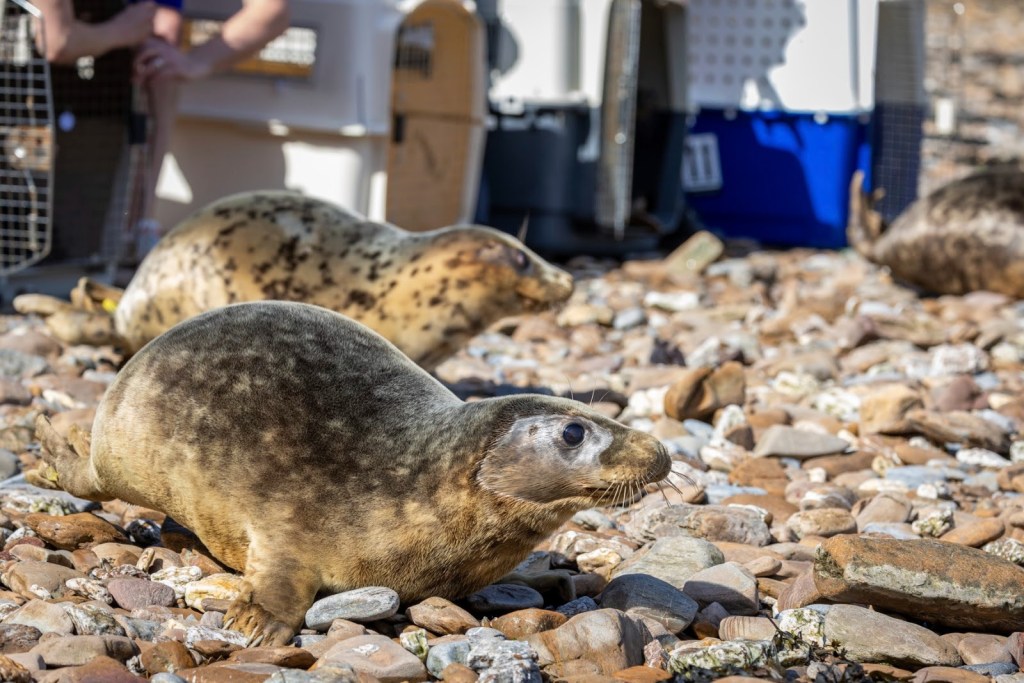
Ryan said: “It was absolutely wonderful to see Muse along with the group of seals going back to where they belong. They had all been admitted either with injuries, were unwell or were underweight and we have spent the time needed to get them back to full health.”
Each seal pup rehabilitated at West Hatch costs around £1,400 a week in fish and veterinary care during seal season, which typically runs from September to March — underscoring the significant resources required to give animals like Muse a second chance.
Ryan added that Muse’s success was down to a team effort from rescuers, vets, staff, volunteers and supporters. “Their success stories are down to a real team effort — and to our supporters who generously help us so we can continue what we do,” he said.
The RSPCA is urging anyone who spots a seal on a beach to observe from a distance and not to approach — seals have a nasty bite if threatened, and dog owners are advised to keep pets on leads on beaches with seal colonies. If a pup appears distressed, injured or unwell, or is on a busy public beach and the mother has not returned after 24 hours, the RSPCA emergency line should be called.
Ellie added that in west Wales, grey seals are the most commonly seen species, and that pups with a long white coat of fur are likely still dependent on their mother. Those who have lost this fur are at the weaned stage — and are the most common casualties the RSPCA receives calls about. “Our main message is if they look in distress or unwell please call it in,” she said.

Discover more from Swansea Bay News
Subscribe to get the latest posts sent to your email.