


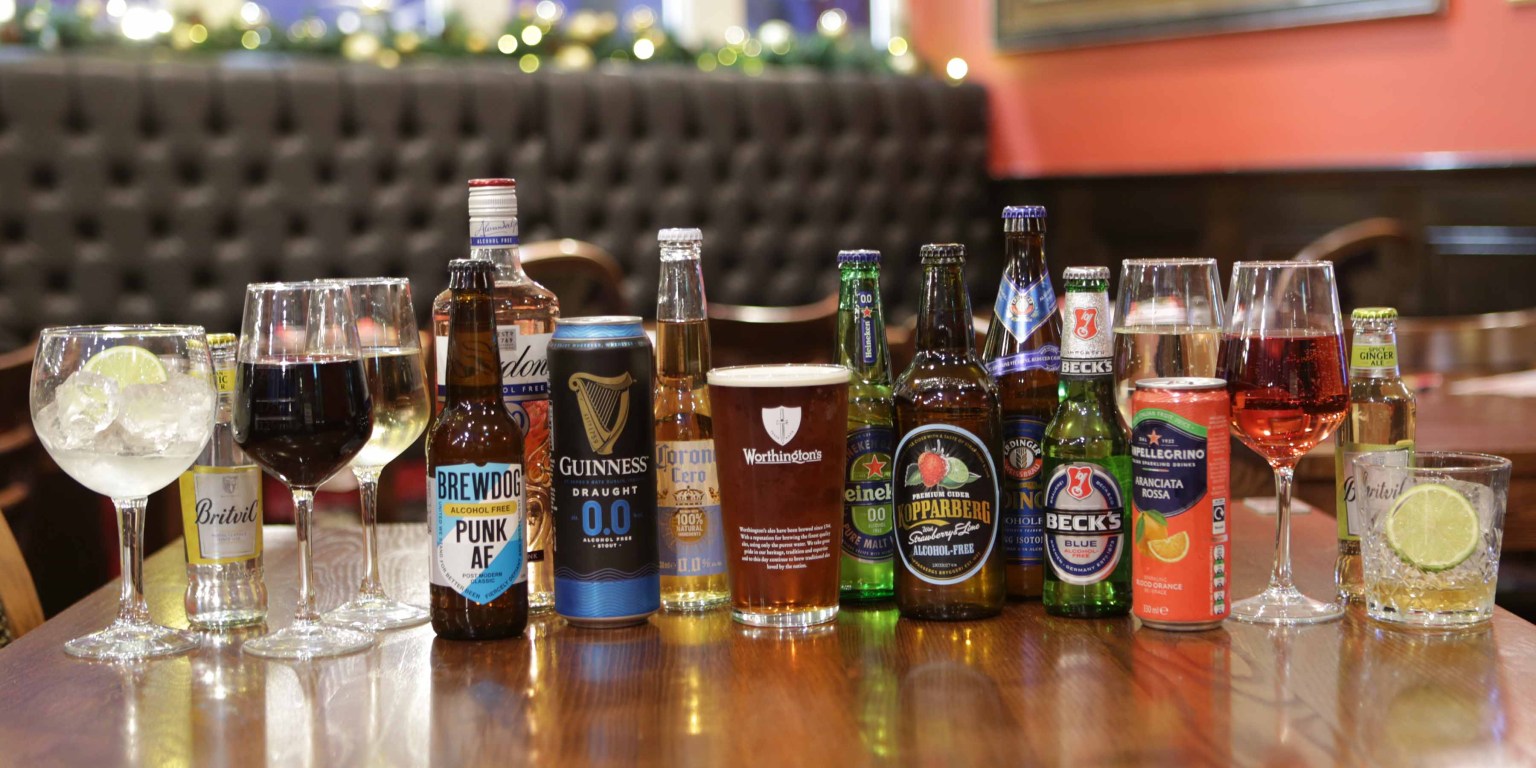
Four Swansea pubs are taking 7.5% off every food and drink item on Thursday, for one day only.
It is not a sale. It is a lobbying exercise, and the company is open about that.
Wetherspoon calls it Tax Equality Day, and it exists to press for a permanent cut to the VAT pubs pay.
Taking part are the Potters Wheel on The Kingsway, the Bank Statement on Wind Street, the Red Lion Inn on Sway Road in Morriston and the Mardy Inn on High Street in Gorseinon.

At the till, someone spending £10 on food and drink pays £9.25.
The company’s argument is that pubs are taxed more heavily than supermarkets, and that the gap lets the supermarket undercut the pub down the road.
Founder Tim Martin put numbers on it in an interview with the Mirror in September last year. He claimed pubs pay about 20 times more in business rates per pint than supermarkets, with rates accounting for roughly 28p of a £5 pint in a pub against about 1.5p on the supermarket shelf, and said the arrangement had cost pubs around half their beer trade to supermarkets since 2000.
He called it “harming businesses and high streets, but also the social fabric of the nation”. Those figures are about business rates rather than VAT, which matters in Wales, because VAT is set in Westminster and rates are set in Cardiff Bay.
Bank Statement manager Ben Edwards said the day was about showing customers what a lower rate would look like on their bill.
“Customers coming to the pub on Thursday 17 September will find the price of their food and drink is lower than normal,” he said.
He said a permanent reduction “will generate growth and create jobs in the important hospitality sector and help the high street, of which pubs are an integral part”.
The tax picture is more complicated than the pitch. Most supermarket food has been zero-rated for VAT for decades, while food served in a pub or restaurant is taxed as catering at 20%. Alcohol carries 20% wherever it is sold, supermarket shelves included.
The rate has moved before, down to 5% in July 2020, up to 12.5% in October 2021 and back to 20% in April 2022. Thursday’s 7.5% is the gap between 20% and the 12.5% Wetherspoon was calling for at the same four pubs last September. The campaign it signed up to in August asks for 10%.
Gower’s MP has been making this case since 2021
The argument has a local voice, and she has been at it a while.
Tonia Antoniazzi, Labour MP for Gower, chairs the All-Party Parliamentary Beer Group.
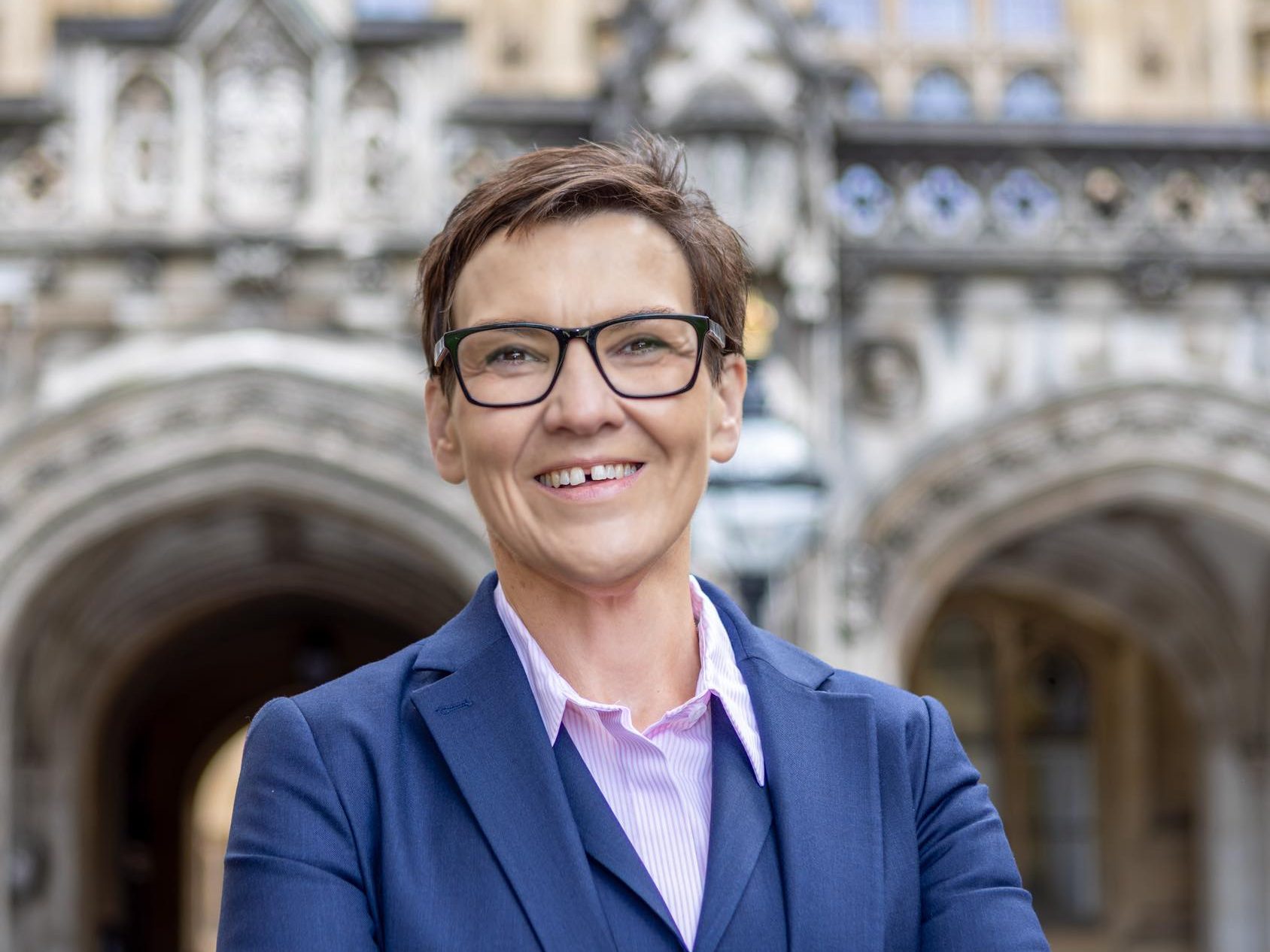
Five years ago she put her name to the Long Live the Local campaign, calling on the government to lower VAT for pubs and cut beer duty.
She is still at it. In an interview last month with the Morning Advertiser, the pub trade’s own paper, she said the cost of doing business was the biggest concern raised by hospitality businesses in her constituency, pointing to energy bills, packaging costs and recycling requirements.
“The cost of being of just even opening the doors… they’re really struggling,” she said.
Antoniazzi also backs #VATsTheProblem, the campaign fronted by chef Tom Kerridge pushing for the 20% rate to come down to 10%. Wetherspoon joined it in August, and the petition has passed 345,000 signatures.
On business rates she was warmer but not satisfied, saying the change Prime Minister Andy Burnham made shortly after taking office was welcome but did not go far enough.
The Treasury’s answer
It arrived in late August, and it was not encouraging.
Financial Secretary to the Treasury James Murray told The Sun the government recognised the pressure on pubs but that a cut would have to be paid for. “If you’re having a big cut in VAT, it costs a lot of money,” he said, without ruling out measures in the Budget.
What the government has moved on is business rates, with a further 20% reduction for the sector due from April 2027, and a review under way into how pubs and hotels are assessed.
In Wales, rates are devolved. Ministers announced a 15% reduction for hospitality from April, after months of warnings that Wales was behind England. Swansea BID called it meaningful and immediate, while CAMRA said it fell short, pointing to England, where it said the relief is 75%.
A year of locked doors
In Gorseinon, Seagers at No 1 High Street closed in March citing “mounting financial pressures”, two months after the same family shut its Llanelli restaurant. The Mardy Inn, one of Thursday’s four, is on the same High Street.
In Llanelli, the Tinhouse taproom shut in February, its owners saying hospitality had become an increasingly tough place to operate, with rising costs and less disposable income hitting independent venues hardest.
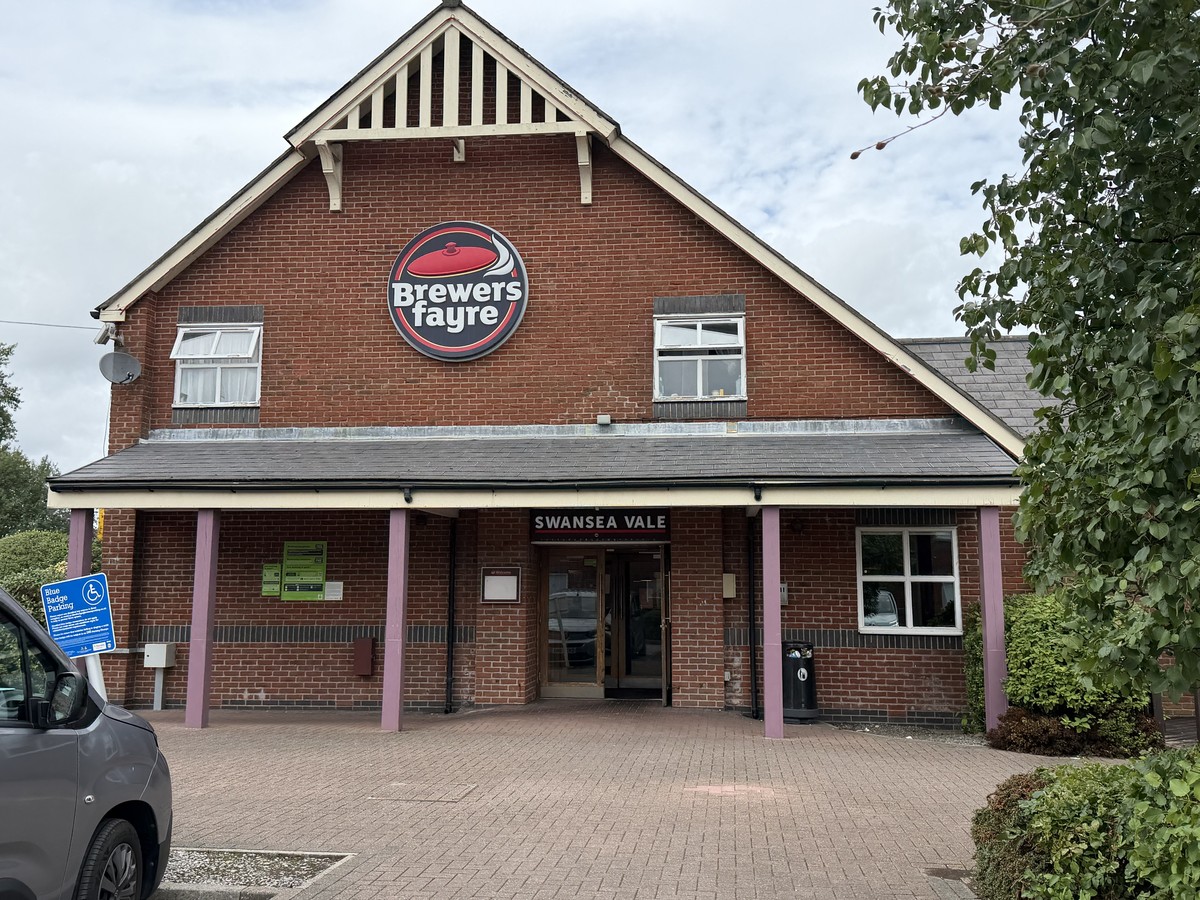
The chains have gone too. The last 89 Brewers Fayre restaurants served up on 7 September, Swansea Vale in Llansamlet among them, with the Waterfront Beefeater in SA1 following three days later. Whitbread put that down to leaving the restaurant trade for Premier Inn rather than to tax, and Wetherspoon has not linked those closures to VAT either.
The losses are not local to us. CAMRA counted close to five pub closures a week across Britain in the first half of last year, and almost 5,000 gone since 2016.
Wetherspoon is going the other way. The company said in September last year that it planned around 30 openings over the following year, its biggest expansion in a decade, from an estate of 794 pubs, down from 955 in 2015.
Thursday’s reduction needs no booking. It runs all day, across the menu and the bar, at all four pubs, and prices go back to normal on Friday.
Discover more from Swansea Bay News
Subscribe to get the latest posts sent to your email.