

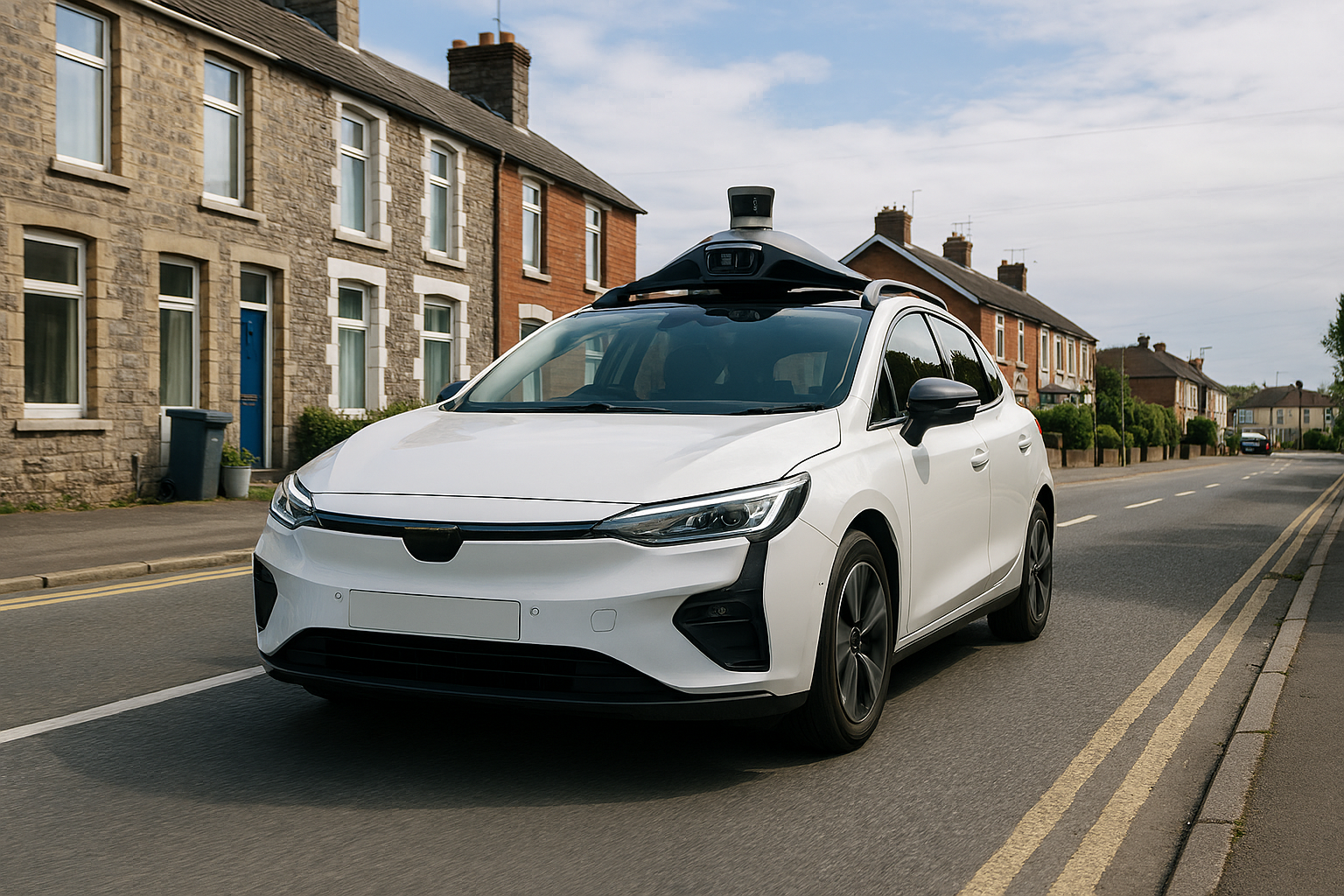
As the UK gears up for the arrival of driverless vehicles on public roads by 2026, new research suggests the public remains deeply sceptical about the technology.
A survey of 1,000 adults conducted by motoring insurance comparison site Quotezone.co.uk found that 66% of respondents hold a negative opinion of driverless cars, while 84% said they wouldn’t be willing to own one.
The findings come as the UK government prepares to launch pilot autonomous taxi and bus services from spring 2026, with a wider rollout of fully self-driving vehicles expected by late 2027 under the newly enacted Automated Vehicles Act.
Despite the promise of reduced human error and improved road safety, the survey highlights a significant trust gap. Safety and accident risk topped the list of public concerns (24%), followed by fears of technical failure (18%), loss of human control (17%), and cybersecurity threats such as hacking (12%).
Greg Wilson, CEO of Quotezone.co.uk, said:
“While driverless technology continues to advance at pace, it seems public trust is still catching up. Many people remain understandably cautious about handing over control to a machine — especially on busy, unpredictable UK roads.”
He added that the shift raises complex questions around insurance and liability, with 11% of respondents citing this as a key concern.
“Who would be at fault in the case of a crash? The driver, the manufacturer, or the software provider? Insurers will need a robust framework to help drivers feel more secure.”
The Department for Transport says the new legislation will require autonomous vehicles to meet safety standards equivalent to — or better than — those of careful human drivers2. The government also hopes the sector will unlock £42 billion in economic value and create 38,000 jobs by 2035.
Quotezone says it will continue to monitor public sentiment as the UK moves closer to an autonomous future.

Discover more from Swansea Bay News
Subscribe to get the latest posts sent to your email.