


There is a date now.
The Ospreys are aiming to play their first home game at St Helen’s on Saturday 24 October, against the Dragons, with Cardiff visiting the following Saturday on 31 October, Swansea Council leader Rob Stewart has said.
It is the first firm date the club has had. The Ospreys moved from the Brewery Field in Bridgend for this season, and until now the answer on when they would run out at the rebuilt ground has been at some point after the work finishes.
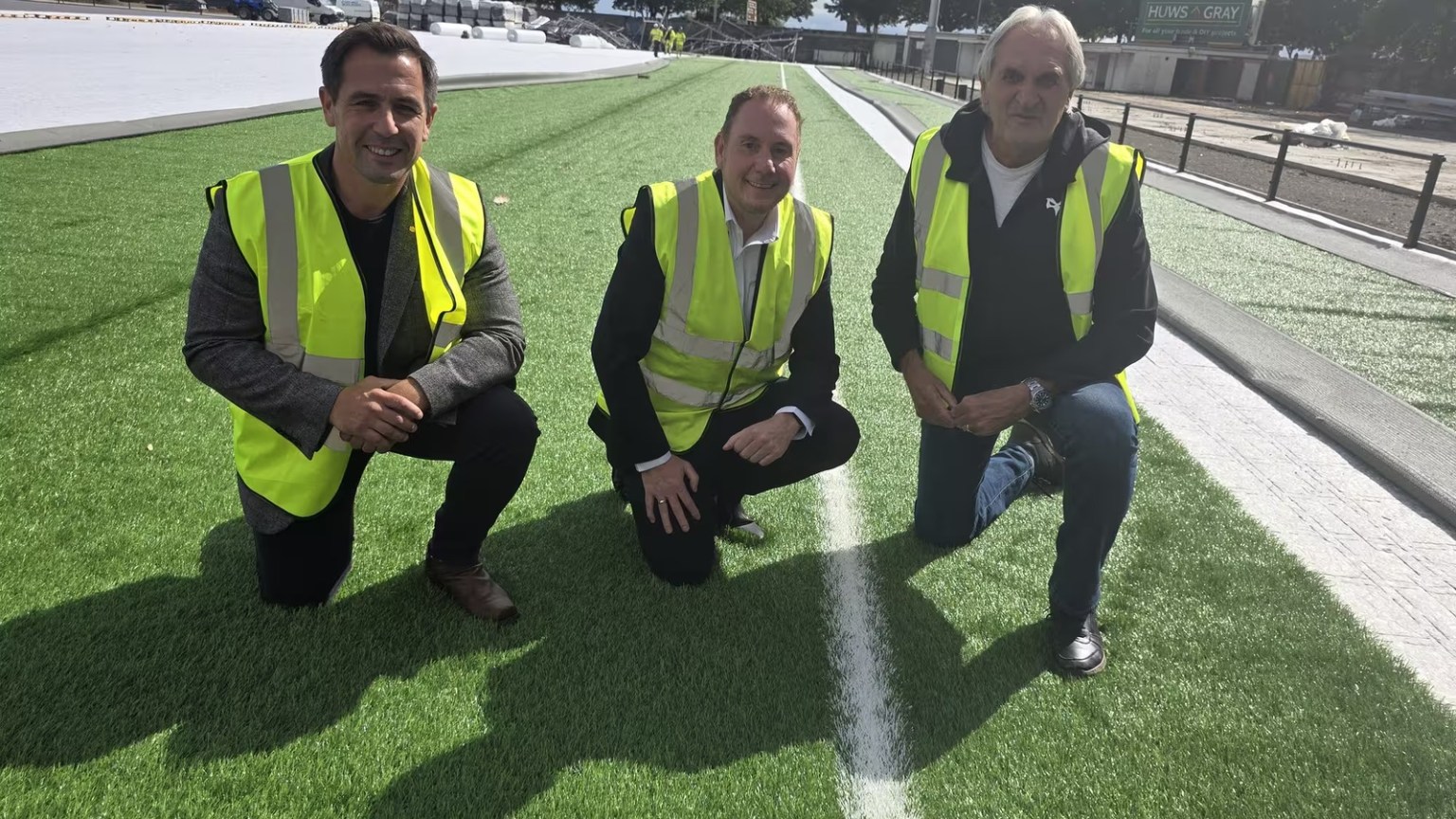
The work is visibly moving. The artificial pitch is being laid, and the floodlights are going up in each corner.

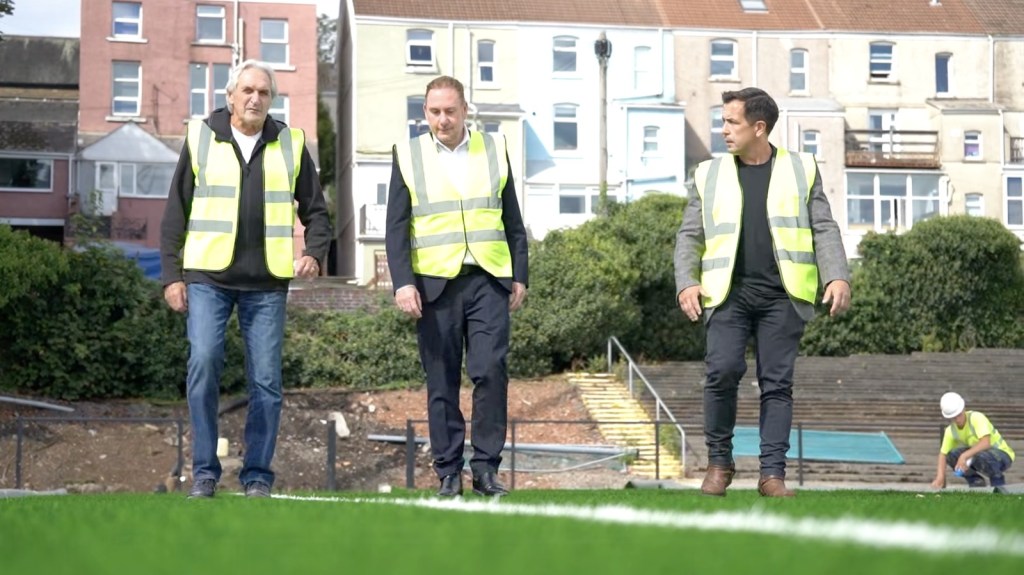
Stewart went to see it. “You can already see the outline of the pitch with floodlights in each corner and the pitch is now being laid,” he said.
What the Ospreys are putting in
The club’s own stake in the ground is bigger than has been reported. The Ospreys are investing £2.6m, taking a 50-year lease, and taking full responsibility for matchday operations.
That sits alongside the council’s £7.6m rebuild, and it is the clearest sign yet that the club intends St Helen’s to be permanent rather than a stop-gap while its future is decided.

Roger Blyth, a director at Ospreys Rugby, said the project was about more than a place to play. “This is a vitally important project for the club, not only giving us a genuine home for our players and supporters, but also providing a platform for the long-term future and ambitions of the Ospreys,” he said.
He said it gave the club a chance to be stronger and more sustainable, while keeping St Helen’s at the heart of rugby in Swansea.
The 3G pitch, and why it matters beyond the Ospreys
The new surface is artificial, and it has been repositioned closer to a refurbished terrace, which the council says will improve the atmosphere.
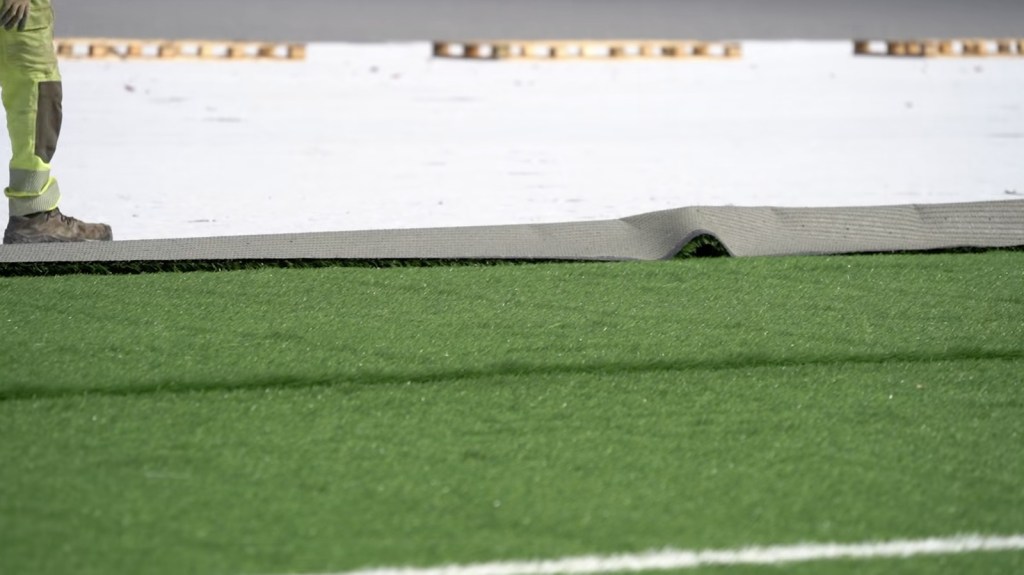
The practical point of an artificial surface is that it takes far more use than grass. That is what lets the ground take grassroots rugby, schools and colleges alongside a professional fixture list, rather than being locked up between matches.
Stewart said the ground would be “a vibrant community hub, supporting grassroots sport, schools and colleges”, and the council has previously said its money secures community use for around 90 per cent of available hours outside major fixtures.
The shape of the finished ground
The existing stand is moving to the Mumbles end. A new stand goes up on the seafront side. A fan zone and hospitality offer goes at the Guildhall end.
The finished capacity is expected to be a little under 7,000.
And the reason it is being built this way
The specification is not an accident. The ground is being built to the standards required for URC and European competition, in anticipation of the Welsh Rugby Union cutting Wales from four professional teams to three.
The union confirmed in July that the three-team model starts in 2028/29, with Cardiff and the Dragons guaranteed and one west Wales licence left for the Ospreys and the Scarlets to contest. The process begins in December.
So the first two games at the new St Helen’s are against the two clubs already guaranteed a future.
Stewart put the history differently. “On this ground, Wales hosted their first home international rugby match and the All Whites were the first northern hemisphere club to beat the All Blacks, the Springboks and the Wallabies,” he said.
Related stories from Swansea Bay News
ST HELEN’S: New seafront stand, fan zone and near-7,000 capacity
What the £7.6m rebuild actually delivers.
WRU: Cardiff and Dragons safe as Ospreys and Scarlets left fighting for one west Wales licence
The decision hanging over the season.
OSPREYS: ‘Invest, build, compete, win’, the club lays out its case for the last west Wales licence
How the Ospreys are arguing their corner.
More Ospreys news from Swansea Bay News
Every story on the region, match by match.

Discover more from Swansea Bay News
Subscribe to get the latest posts sent to your email.






Let’s all get a ticket. Show support for Swansea/Neath and Ospreys and keep top level, competitive Rugby. Vote woth the feet and not regret it once it’s gone.