


Swansea Council is set to take £22.3m out of its savings pots, including money put aside for crematorium repairs and school IT, to cover what it may have to pay out over equal pay.
The law says men and women doing the same work, or work of equal value, must be paid the same. When staff believe that hasn’t happened, they can take their employer to an employment tribunal and claim back pay.
The council is facing claims of that kind from its own staff. A report by its finance chief says they are going through legal action and negotiation at the same time, so the final bill isn’t known, but it will be “significant”.
The report does not say how many staff have made claims, which jobs are involved or how far back the claims go.
Councils have to set money aside for bills like this before they land. Swansea’s equal pay pot stood at £28m in a report to cabinet this month, and the council now says that isn’t enough.
Its emergency fund has already been dipped into once. £4m went into the equal pay pot in July, leaving £10m, below the £14m minimum the finance chief certified when the budget was set in March.
So next Thursday, 1 October, councillors will be asked to move £22.3m out of savings pots held for specific purposes and into the equal pay pot.
Crematorium, bus station and school IT: the pots being emptied
The biggest single sum, £4.25m, comes from a pot called the Local Growth Fund. The crematorium’s fund for major repairs (£1.43m) and the pot for IT infrastructure in schools (£2.85m) are both being emptied in full.
So are the pots for the Quadrant Bus Station (£405,000), the Arena at Copr Bay (£886,000) and the Waterfront Museum (£171,000).
From education, £1.92m held by the school catering service goes, along with a £1m pot for schools in deficit. So does £482,000 set aside for changes to how pupils with additional learning needs (ALN) are supported.
That ALN money is a live argument in Cardiff Bay. On Wednesday, Reform UK’s Gŵyr Abertawe MS Francesca O’Brien asked the education minister to send councils the additional learning needs funding lost when the Senedd voted down the supplementary budget in July, “so councils aren’t forced to drain their reserves to fill that spending gap”.
Anna Brychan told her “there remain opportunities for that funding to be sent to local authorities and schools”.
The rest comes from council IT funds, a leisure centres fund and a string of smaller pots. Money held by schools themselves, £12.1m, is not being touched.
£18.8m has to be paid back, and the repairs don’t go away
Only £4.1m of the £22.3m is a permanent transfer. The report says the other £18.8m “will need replacing over time”, with the repayments built into future budgets.
That comes on top of savings the council already has to find. Its financial plan in March forecast a £54.8m gap by 2029/30, and the finance chief now says even larger savings are likely.
The things those pots were saved for haven’t gone away either. In many cases, the report says, the result will be “delay to projects but not necessarily cessation”.
It admits the risk is that a repair comes due before its pot has been refilled. If that happens, the council may have to borrow instead and pay extra debt charges.
Grand Theatre restoration fund on the next list
A second list of pots, worth £8.2m, stays put for now. The finance chief can move “some or all” of it across “should the need arise”.
That list includes the Grand Theatre restoration fund (£832,000) and £1.33m for councillors’ environmental improvement schemes. It also holds £1.29m for the home care vehicle fleet and £1.89m of children’s services resilience money.
“You cannot use the reserves twice over”
The report’s author, finance director Ben Smith, warned cabinet last week that the same savings were already propping up this year’s overspend, with services £13.7m over budget after three months. “You cannot use the reserves twice over,” he said.
His report is blunt about the choice. It says it is “more imperative that the equal pay burden is fully provided for than holding reserves that may not be required for some time to come”.
It is a different picture from July, when a spokesperson for Swansea Council said it had been recognised by Audit Wales as one of the most financially secure councils in Wales, “with strong cash reserves and high levels of financial resilience”.
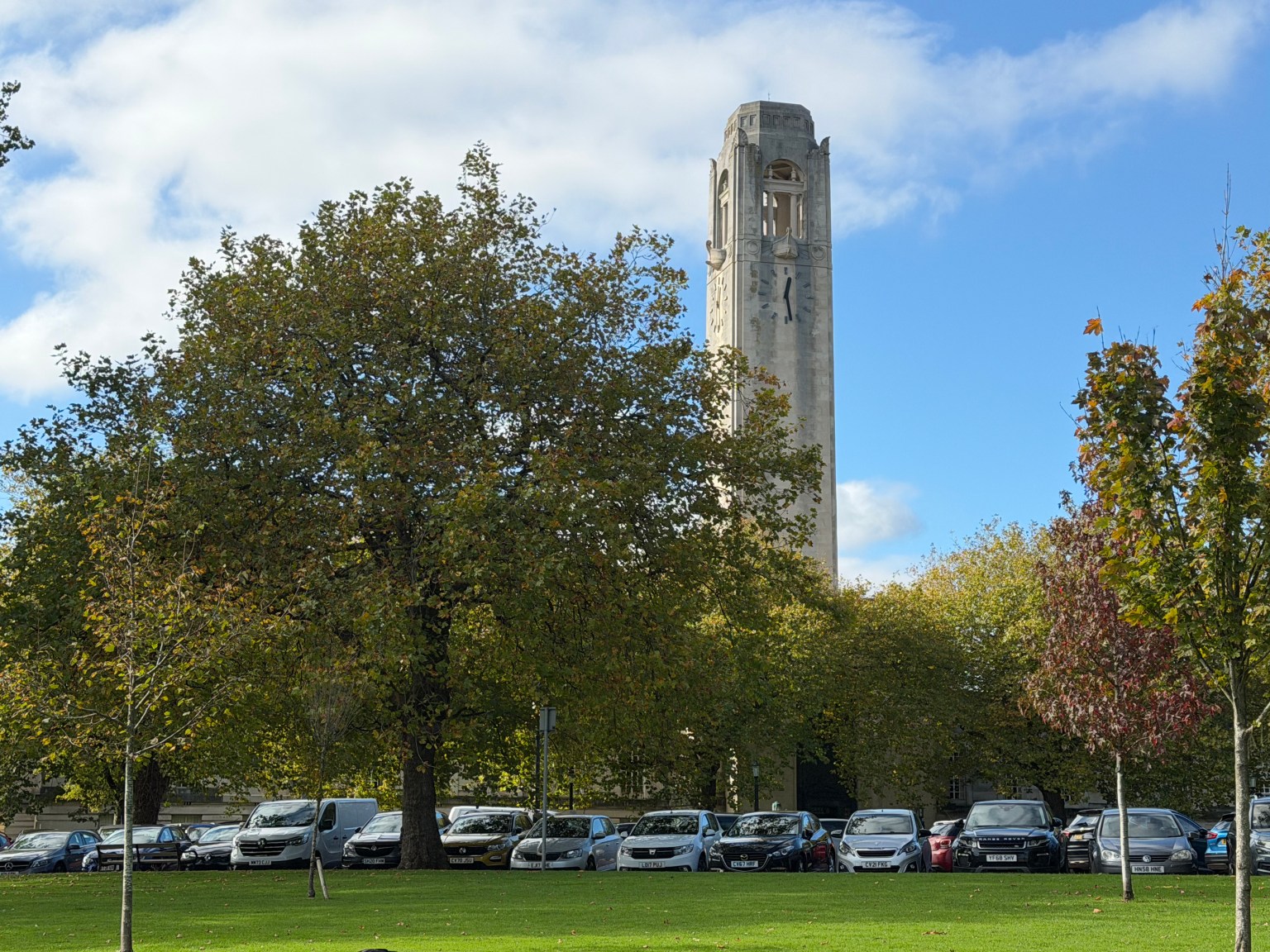
Councillors meet at the Guildhall at 5pm on Thursday 1 October, and the meeting will be webcast on the council’s website.

Discover more from Swansea Bay News
Subscribe to get the latest posts sent to your email.