Dangerous e-bike and scooter riders in Swansea would face £75 on-the-spot fines, and covering your face to dodge identification could itself put you in breach, under new street rules going before councillors next week.
Swansea Council‘s Cabinet will be asked on Wednesday (16 September) to approve a new Public Spaces Protection Order covering the city centre, and extending it for the first time to the beachfront and Dyfatty.
The three-year Order would replace the city centre rules brought in in December 2021 more than a year before they were due to expire, after a council review found new problems the old conditions could not reach.
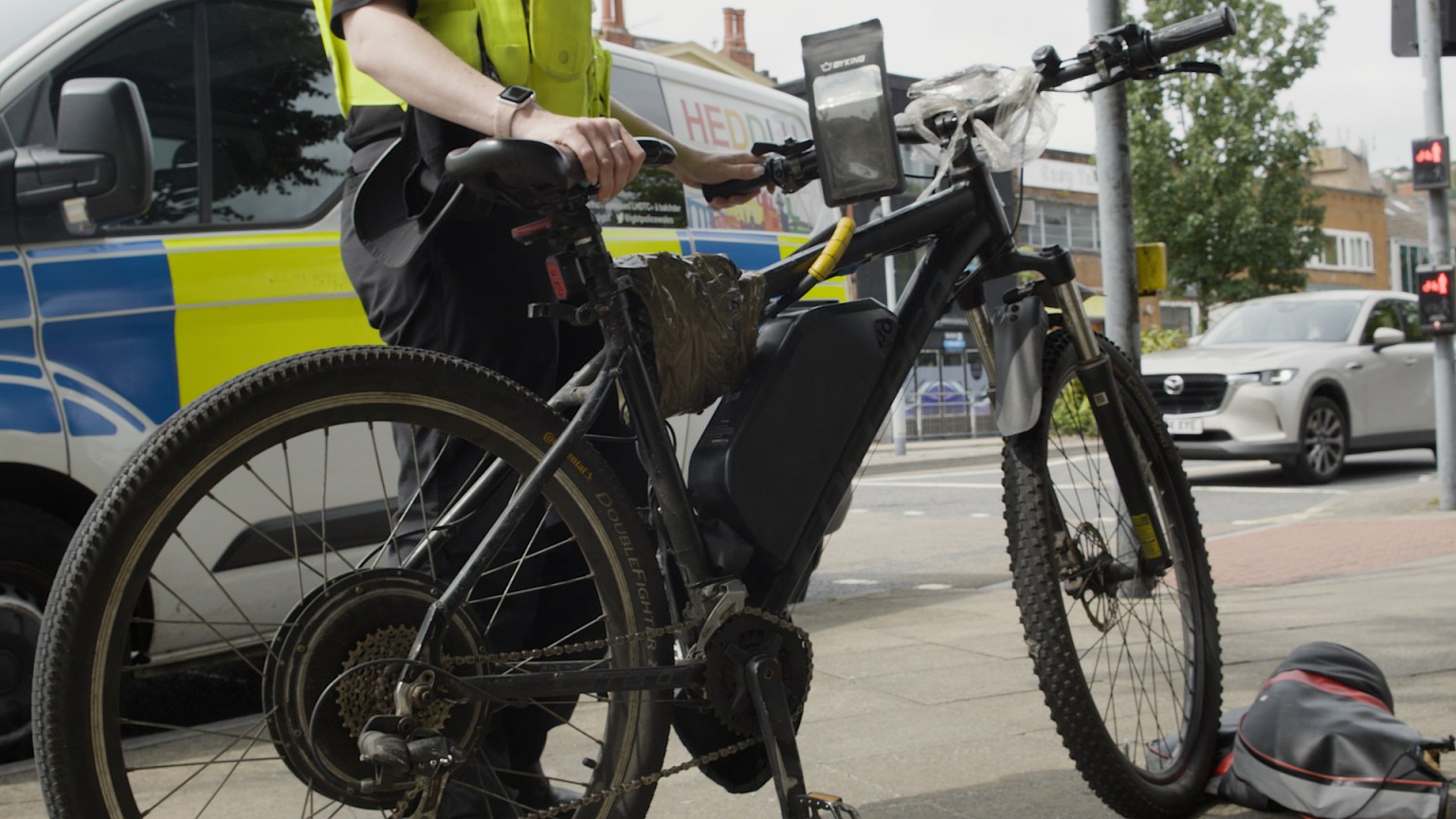
Top of the list is the dangerous riding of bikes, e-bikes and scooters through pedestrianised streets, which the council says drew repeated complaints from residents and businesses during consultation.
A new condition would ban riding in a way that endangers pedestrians or causes harassment, alarm or distress, and covers machines that have been illegally modified to go faster.
It goes further. Riding while wearing a face covering that conceals your identity would itself breach the Order, where an officer reasonably believes the mask is being worn to avoid being identified over anti-social behaviour.
Breaches would carry a £75 fixed penalty, cut to £50 if paid within seven days, with court action and a fine of up to £1,000 for those who do not pay.
Council officers, police and PCSOs would also get a consistent power to order troublemakers out of the area for 24 hours, and to specify the route and the time by which they must leave.
New zones reach the Promenade, the Civic Centre grounds and the Marina
The new map splits the protected area into three zones. The beachfront zone takes in the Promenade, the Foreshore, the Civic Centre grounds and the western side of the Marina.
The Dyfatty zone covers the streets at the centre of the Building a Better Dyfatty programme, where regeneration money and a police crackdown on organised crime have been running side by side.
The council’s review found the existing Order has been used in more than 1,100 interventions since 2021, with begging and alcohol incidents the biggest share. More than 230 led to further police action, and over 80 people were referred to support and safeguarding services.
Begging rules rewritten, but rough sleeping stays legal
The old aggressive begging rule would be replaced by a “soliciting for money or goods” condition, aimed at behaviour such as repeatedly approaching people, following someone who has said no, or stationing near cash machines and shop doorways.
Rough sleeping itself stays outside the Order, and the council says enforcement will remain safeguarding-led, with support and referral the first response for vulnerable people. Homelessness charities Crisis and Shelter made representations during the review, which the council says have shaped its emphasis on proportionality.
A new “reasonable excuse” provision would protect anyone crossing the area to get to work, appointments, transport or their own front door.
South Wales Police senior officers have backed the revised scheme, according to the report, and the city centre rangers would keep leading enforcement in the centre, with other council teams and police covering the new zones. The force has already been running its own operations against illegal e-bikes, with 17 seized in two enforcement days last summer. In July, boys of 14 were among seven arrested as six more bikes came off the streets.
The gating of the service lane at the bottom of St Helen’s Road, brought in to stop persistent fly-tipping, would continue. If approved, the new Order runs to 2029, and anyone affected can challenge its validity in the High Court within six weeks of it being made.

Discover more from Swansea Bay News
Subscribe to get the latest posts sent to your email.