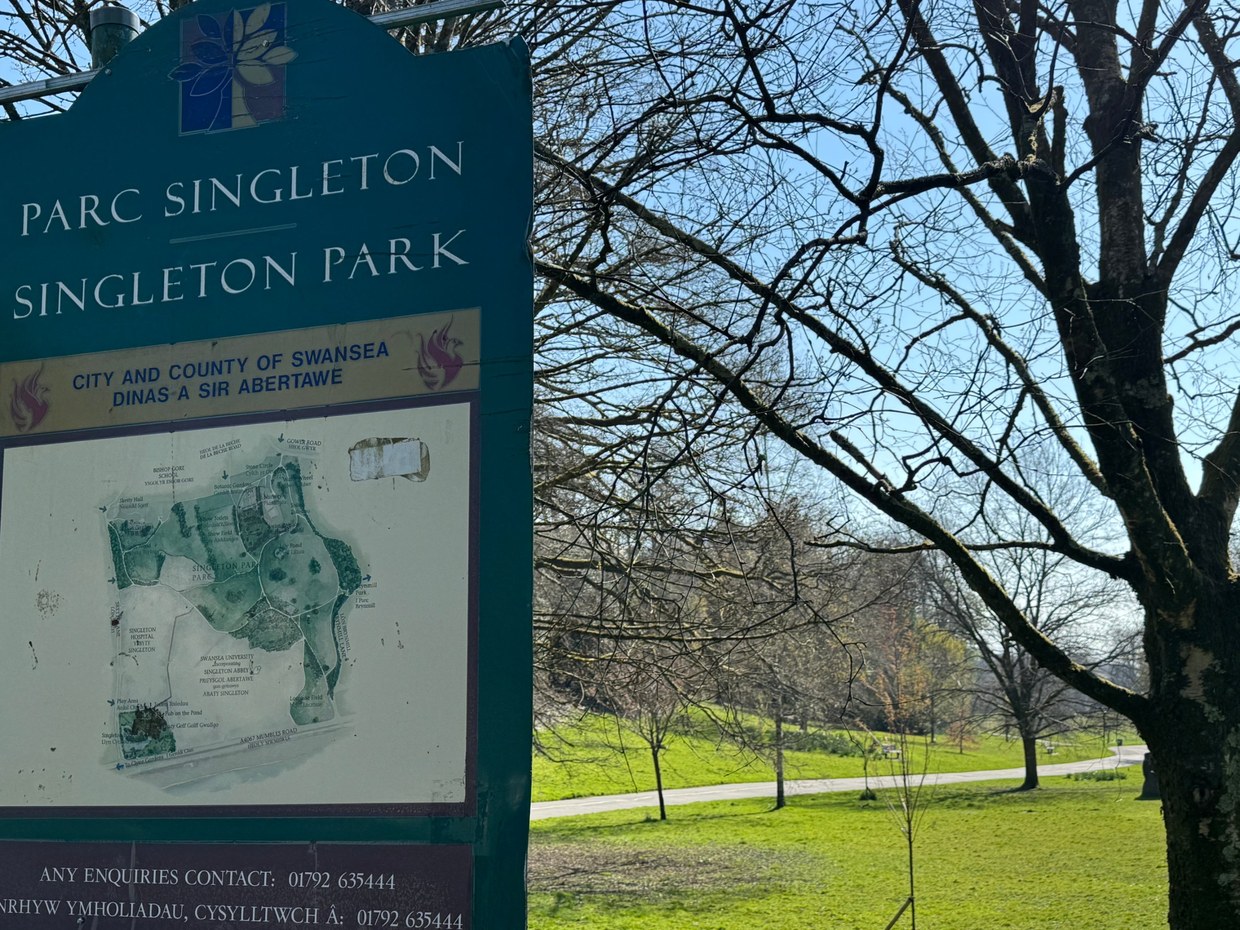
Singleton Park is Swansea’s busiest park, drawing an estimated 337,000 visits a year. The surprise is what comes second.
Coed Bach Park in Pontarddulais, with about 200,000 visits, ranks above Morriston Park, Cwmdonkin and Clyne Valley.
The figures come from a model built at Exeter University, which estimates how often 72 of the city’s parks are used. They appear in a new parks strategy that Swansea Council’s cabinet is due to consider on Wednesday 18 November.
Swansea’s 10 most-visited parks
These are the estimated visits a year to each of the top ten.
- Singleton Park: 337,429
- Coed Bach Park, Pontarddulais: 200,735
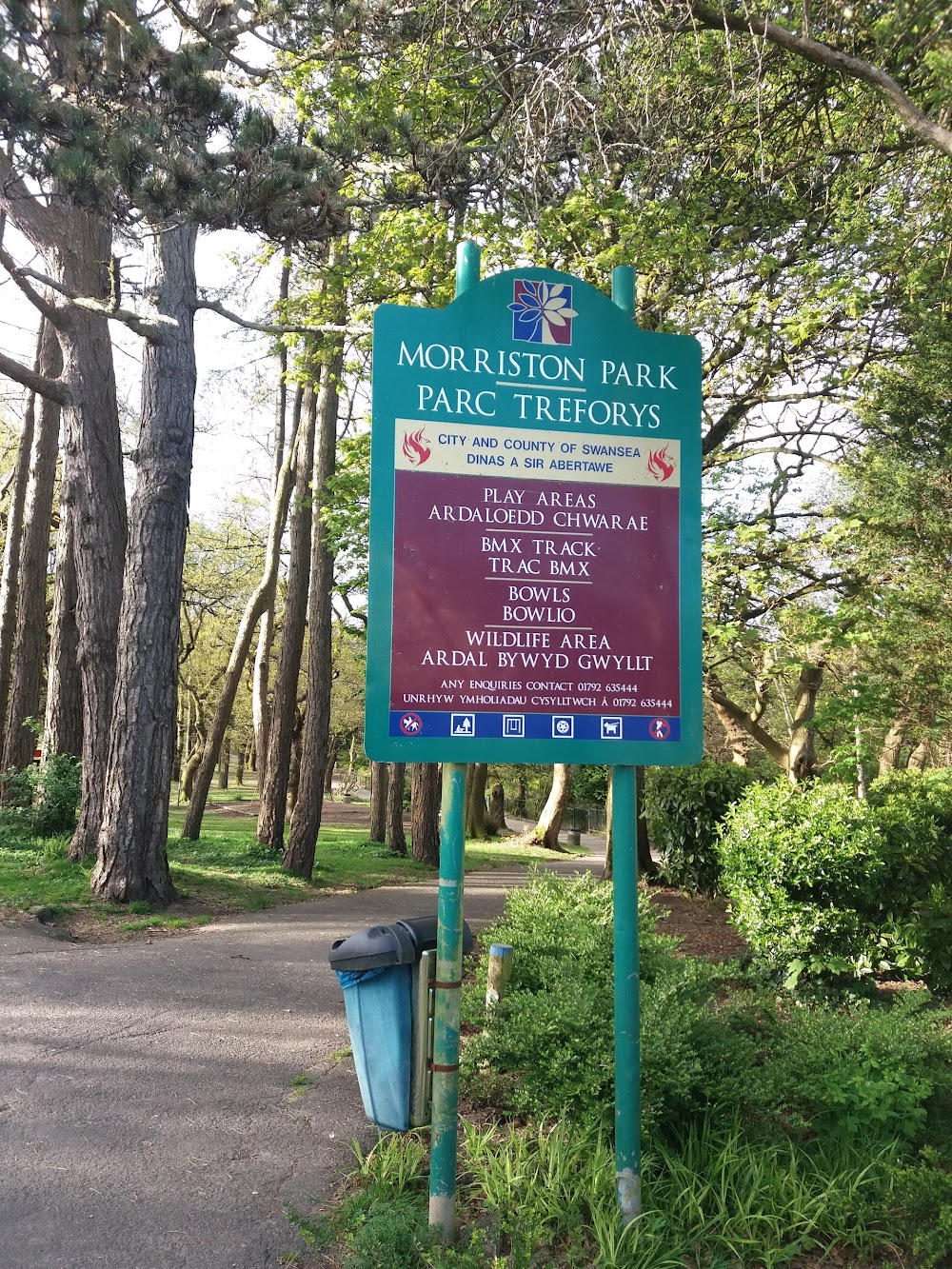
- Morriston Park: 169,280
- Cwmdonkin Park, Uplands: 141,363
- Ynystawe Park: 138,647
- Parc Llewelyn, Morriston: 136,931
- Cwmbwrla Park: 135,259
- Coed Gwilym Park, Clydach: 122,689
- Clyne Valley Country Park: 108,494
- Brynmill Park: 95,280
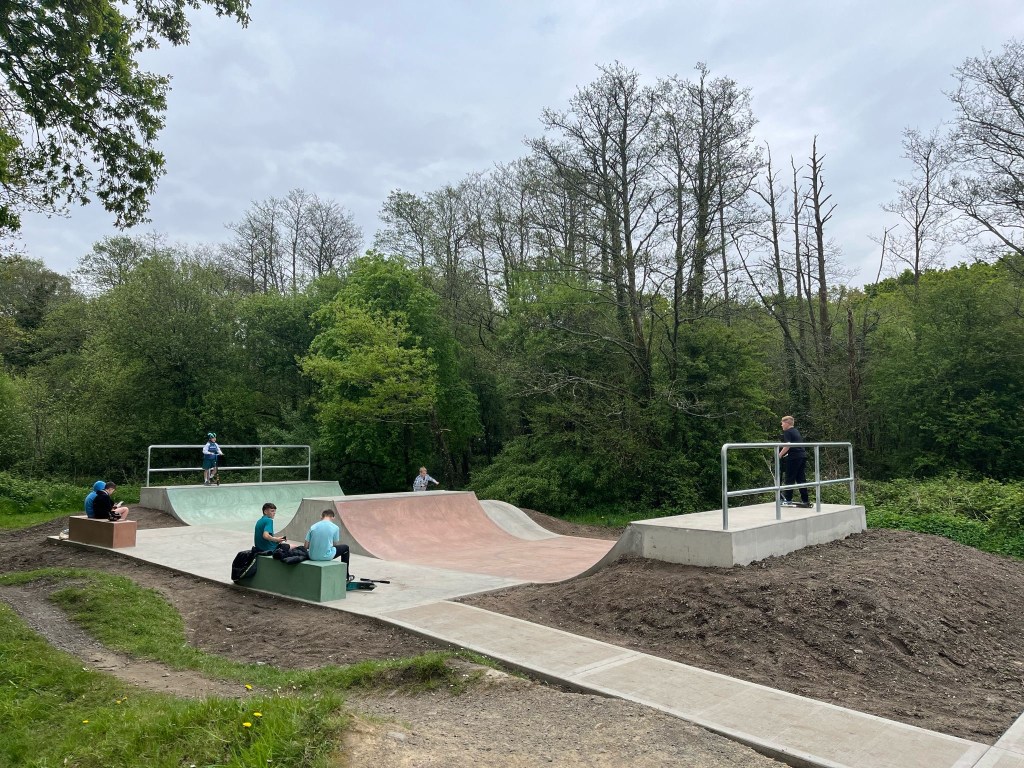
The wheels park at Cockett just misses out, on 92,412. It is followed by Parc y Werin in Gorseinon and Mayhill Park.
The council’s table also includes the seafront at Langland Bay, put at about 290,000 visits a year. It is left out of the ranking here because it is a beach destination, not a park, and three in four of its visits are made by car.
At the other end of the table, the park and playground at Bracelet Bay is put at about 6,100 visits a year.
Seven in ten visits to Swansea’s parks are made on foot
Across all 72 sites in the table, the model puts the total at 4.28 million visits a year. Just over three million of them are made on foot.
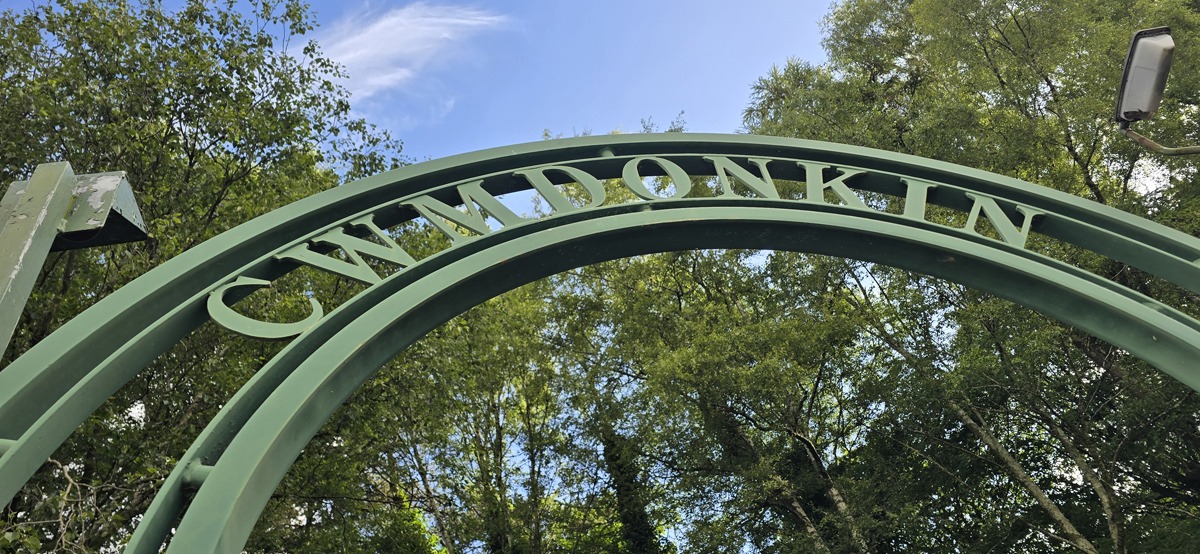
Cwmdonkin is the most walked-to of the big parks, with 88% of its visitors arriving on foot.
Why the park visitor numbers are estimates
Nobody stood at the gates with a clicker. The model predicts visits from each park’s size and features, the people who live nearby and the other green spaces they could choose.
The consultants who wrote the strategy say it cannot allow for what makes an individual park special. They say its figure of about 25,000 for the Botanical Gardens inside Singleton Park is likely to be too low.
The table also covers fewer than half of the 149 parks the council looks after.
Toilets top the list of what Swansea park users want
The strategy was drawn up after 548 residents, 27 community groups and 112 pupils were asked last autumn what they thought of their parks.
A lack of toilets was one of the gaps raised most often. Victoria Park was singled out, with the strategy calling the absence of toilets there “a particularly acute issue”.

Safety after dark was another. While 93% of those surveyed said they felt safe in a park in the daytime, that fell to 55% at night.
Morriston Park, third in the table, drew complaints about flooding and a lack of maintenance. At Singleton, people praised the park’s size and beauty but raised parking, lighting, toilets and the impact of big events.
People also asked for more cafes and kiosks. The strategy suggests testing interest from businesses and social enterprises in taking on empty park buildings.
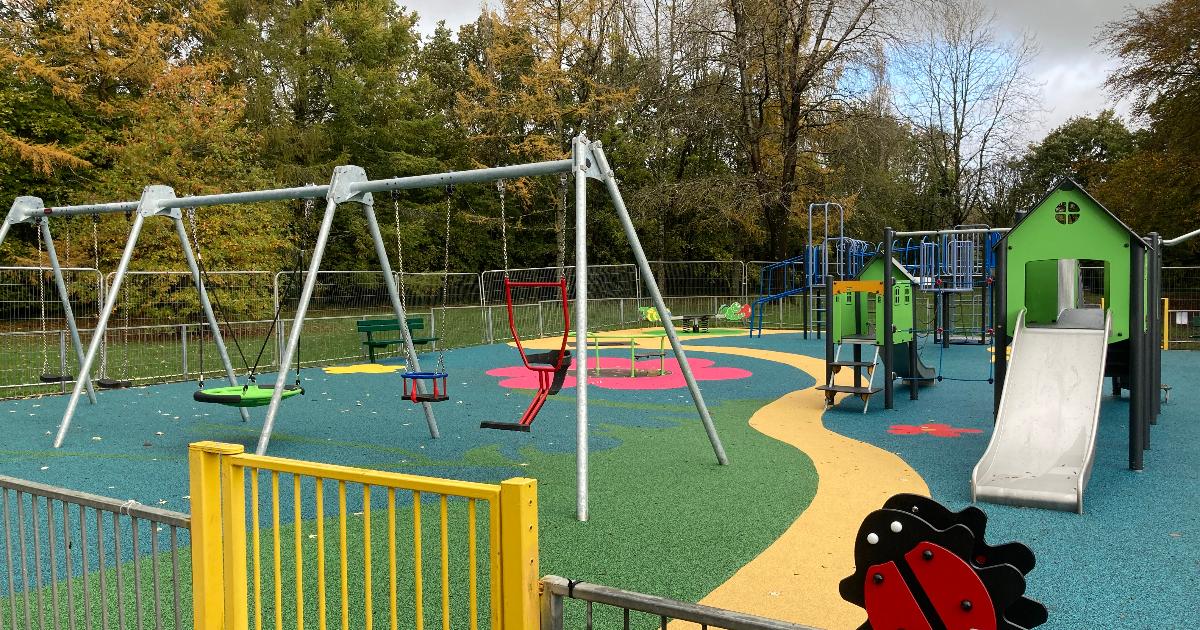
There was praise too, for the new and refurbished playgrounds. The council says it has spent around £8m on more than 80 play areas since 2021.
What Swansea Council’s cabinet is being asked to decide
Cabinet members are asked to endorse the strategy when they meet. It comes with no new money: the council says anything beyond its existing budgets would need a costed business case first.
The council says its parks development work effectively stopped during the austerity years. It appointed a parks development officer last December to restart it.
The strategy also looks ahead to SA1, where the first of two promised parks opened in July. The second, at Prince of Wales Dock, is listed among its aims for 2027 to 2030.


Discover more from Swansea Bay News
Subscribe to get the latest posts sent to your email.