It will cost up to £102.7 billion. It won’t open fully until between 2040 and 2043. And not a single mile of it will run through Wales. But the HS2 reset announced today by Transport Secretary Heidi Alexander has direct implications for rail passengers across south-west Wales — because the political argument about whether Wales is being fairly compensated for the project is far from over.
Alexander announced today that HS2 is being fundamentally reset after years of what she called “mismanagement” by successive governments. The new cost estimate — between £87.7 billion and £102.7 billion — is significantly higher than previously acknowledged, with the government blaming two thirds of the increase on works missing from the original project scope, underestimation by previous governments and inefficient delivery, and the remaining third on inflation.
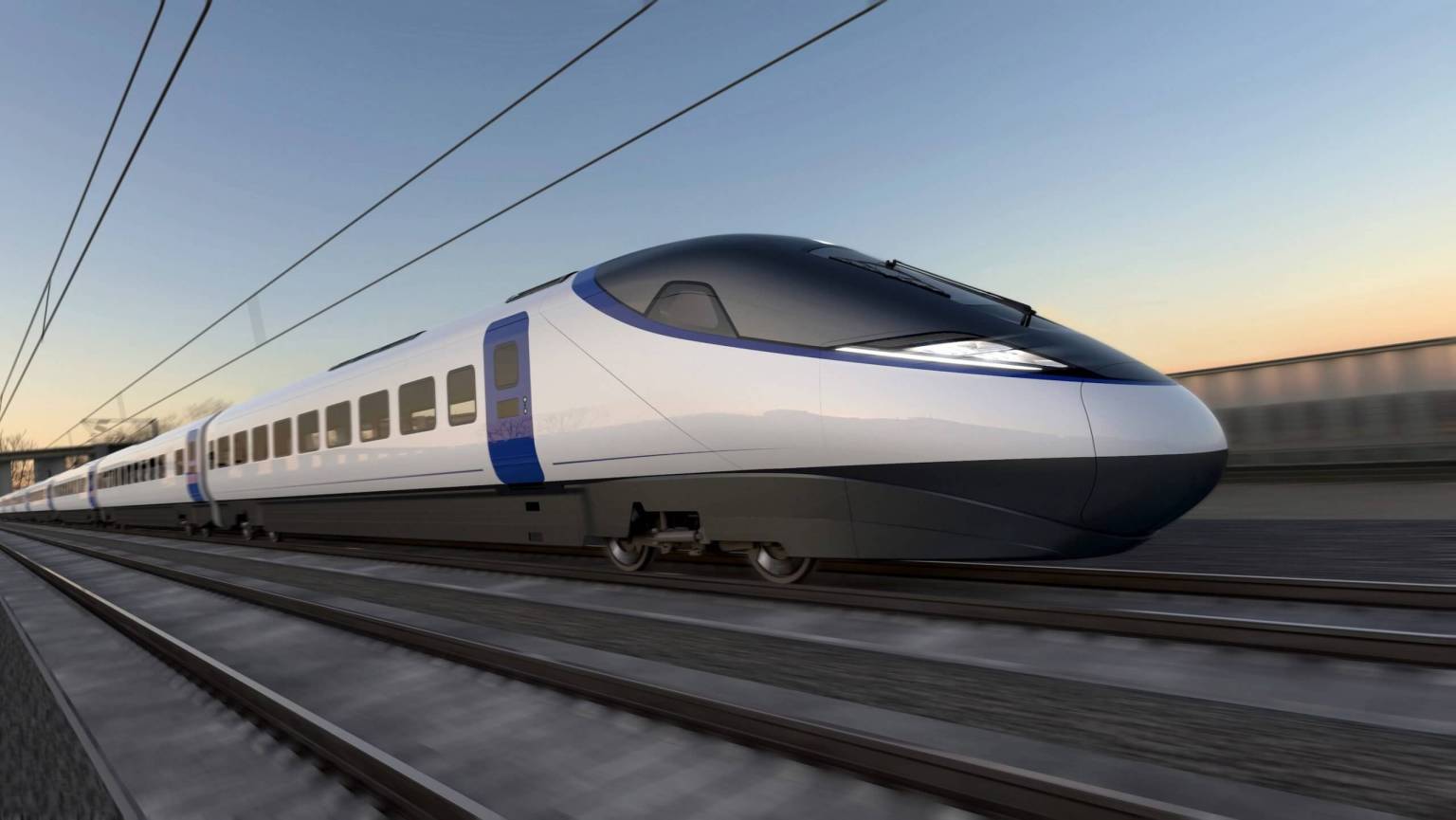
The project has also been slowed down. Maximum train speeds have been cut from 360km/h to 320km/h — in line with European and Japanese high-speed rail — saving up to £2.5 billion and at least a year of construction time. The first trains between Old Oak Common in west London and Birmingham Curzon Street are now expected between 2036 and 2039, with the full route from London Euston to Curzon Street not expected until 2040 to 2043.
The reset is being led by the team that delivered the Elizabeth Line. Six major construction milestones have already been reached ahead of schedule in the last year, and 300 back-office roles have been cut.
For Wales, the central question has always been the same: HS2 was classified as an “England and Wales” project, meaning no Barnett formula consequential funding flowed to Cardiff Bay — despite the line not crossing the border. When the project’s costs were £56 billion, that argument was significant. At up to £102.7 billion, it is enormous.
Analysis published in December last year suggested Wales stood to lose as much as £6 billion in rail funding as a result of England-only and England-and-Wales rail schemes failing to generate Barnett consequentials. The HS2 reset, with its significantly inflated cost, will only sharpen that argument.

Asked by Swansea Bay News today whether HS2 remains an England-and-Wales scheme and whether any consequential funding would flow to Wales, the Department for Transport confirmed that it does — and directed us to its existing Welsh rail investment commitments instead.
A spokesperson said the UK Government is responsible for heavy rail infrastructure across England and Wales, and that “following years of underinvestment in Welsh infrastructure, this Government has recently announced £445 million in direct funding to modernise and upgrade Welsh rail.”
That £445 million was widely criticised as “measly” when it was announced — falling far short of what campaigners and politicians argued Wales was owed. But the government pointed today to a larger figure: a £14 billion pipeline of rail projects for Wales, endorsed by both the UK Government and the Welsh First Minister in February, which it says “is far more than the Welsh Government would have received had HS2, or any heavy rail project, been devolved.”
That £14 billion pipeline — built around Transport for Wales’s long-term vision for the network — includes the £140 million transformation of Cardiff Central station, new stations, faster journeys and upgraded lines. Whether it is adequate compensation for Wales’s exclusion from HS2’s benefits remains fiercely contested.
MPs and campaigners have repeatedly called for rail powers to be devolved to Wales, arguing that the current arrangements — in which Westminster controls heavy rail spending in Wales and classifies major England projects as “England and Wales” — systematically disadvantages Welsh communities. Those calls are unlikely to quieten in the wake of today’s announcement.
Transport Secretary Alexander said the reset would deliver HS2 “as quickly as possible and at the lowest reasonable cost.” She said the project would save passengers around 30 minutes between London and Birmingham, double peak long-distance rail capacity between the capital and the West Midlands, and generate £20 billion for the economy over the next decade around its station sites.
HS2 Ltd CEO Mark Wild acknowledged the news would be unwelcome. “I recognise this will be unwelcome news for local communities and taxpayers, and I share in their disappointment that it will take longer and cost more to bring HS2 into service,” he said.
The reset is fully funded within the Department for Transport’s current spending review settlement, with no additional borrowing. Funding beyond 2029-30 will be set at future spending reviews.
For passengers in Swansea, Llanelli and across south-west Wales, HS2 will never stop at their station. What matters is whether the investment promised for Wales’s own rail network actually materialises — and whether it is enough.

Discover more from Swansea Bay News
Subscribe to get the latest posts sent to your email.