

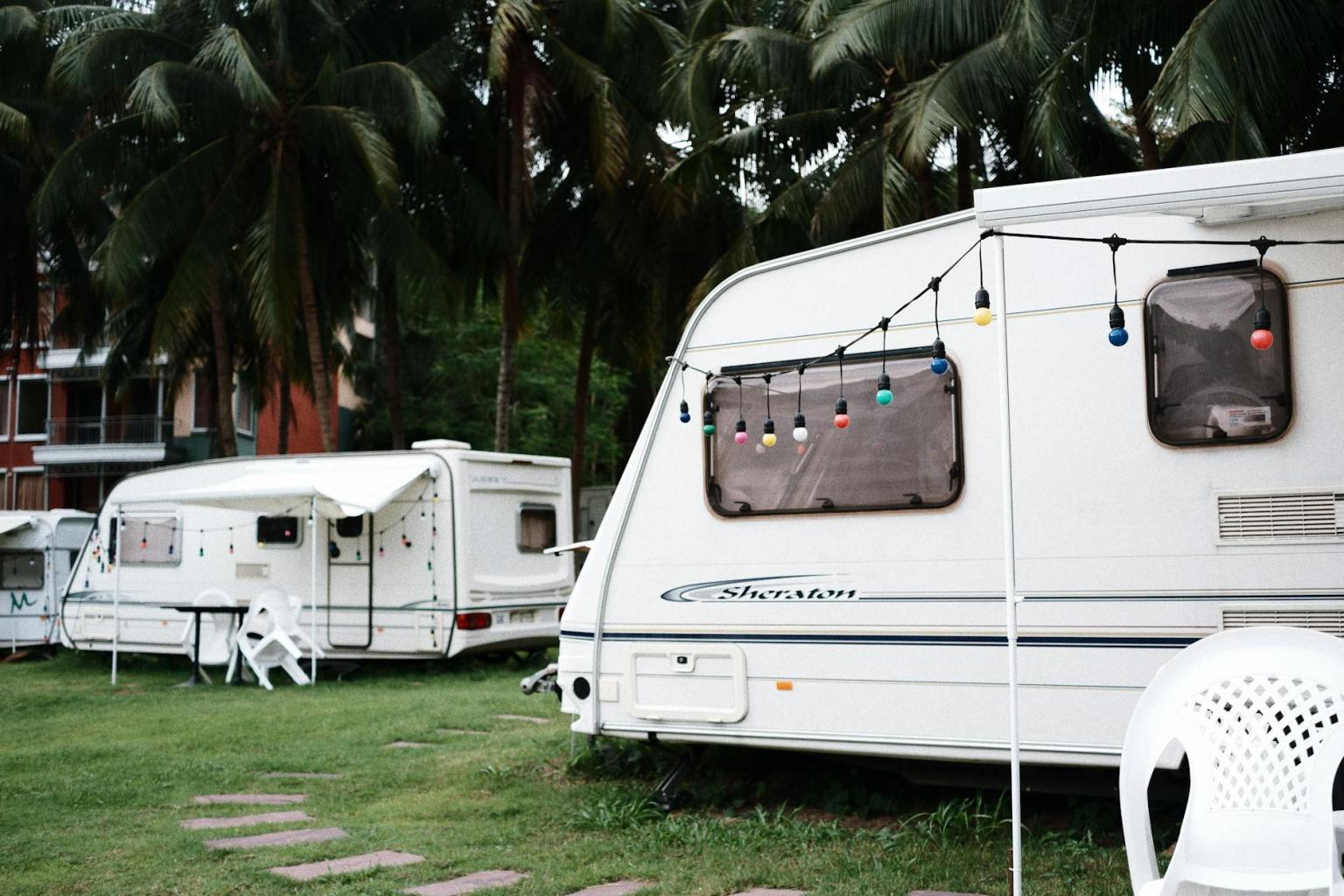
Families taking affordable caravan and motorhome holidays in Wales face a cost increase more than 25 times higher than business travellers staying in luxury hotels under the Welsh Government’s tourism levy plans — and the industry is demanding an urgent review.
The warning comes from the Holiday and Residential Parks Association (HARPA) and the Caravan and Motorhome Club, who say the £1.30-per-person-per-night levy — passed by the Senedd last year and set to come into force from 2027 — has been designed in a way that disproportionately punishes budget holidaymakers.
The maths is stark. A family of five staying on a Welsh caravan or motorhome pitch costing an average of £25 per night would pay £6.50 extra per night in levy charges — a 26% increase on their costs. Meanwhile, a single business traveller staying in a five-star Cardiff hotel at £130 a night would pay the same £1.30 — just 1% of their bill.
HARPA director-general Debbie Walker said the current tiering system was fundamentally unfair to those who could least afford it. “We understand that local authorities need to raise revenue, but this approach disproportionally hits family holidaymakers seeking a low-cost break,” she said. “It is simply not fair to put families holidaying in their own accommodation in the same tier as someone staying in a five-star hotel.”
Harvey Alexander, CEO of the Caravan and Motorhome Club, said he was disappointed with the Welsh Government’s approach. “We have consistently advocated a fair, flat-rate, lower-tier levy across all campsite pitches, ensuring the great outdoors remains accessible and affordable for everyone — whether they stay in a tent, a caravan, or a motorhome,” he said.
The industry has also warned of an unintended consequence that could undermine the levy’s purpose entirely. If managed caravan parks become too expensive, some holidaymakers may abandon them in favour of informal overnight stops in laybys and car parks — removing them from the regulated sector and depriving local economies of spending while creating environmental and waste management problems.
Both organisations are calling on the Welsh Government to review the tiering system immediately. The tourism sector’s own data shows that caravanning and camping generates £1.65 billion in visitor expenditure and supports more than 30,000 jobs in Wales — making it one of the country’s most economically significant holiday industries.
Walker said the inconsistency in the current system was impossible to justify. “The Welsh Government’s tiering system is inconsistent and difficult to justify. We are asking the Government to review it immediately and to keep camping and caravanning affordable,” she said.
The tourism levy has proved one of the most contentious pieces of legislation to come before the Senedd in recent years, with supporters arguing it will fund improvements to local infrastructure and opponents warning it risks damaging Wales’s reputation as a value-for-money destination.

Discover more from Swansea Bay News
Subscribe to get the latest posts sent to your email.